The project notebook
Hotel breakfast furniture: identify what the later service asks of the room
A hotel breakfast room may become a different kind of space after morning service. It might support informal meetings, guest dining, or another defined activity. The furniture should be chosen against the actual second use, not a vague promise that the room can do everything once breakfast is cleared.
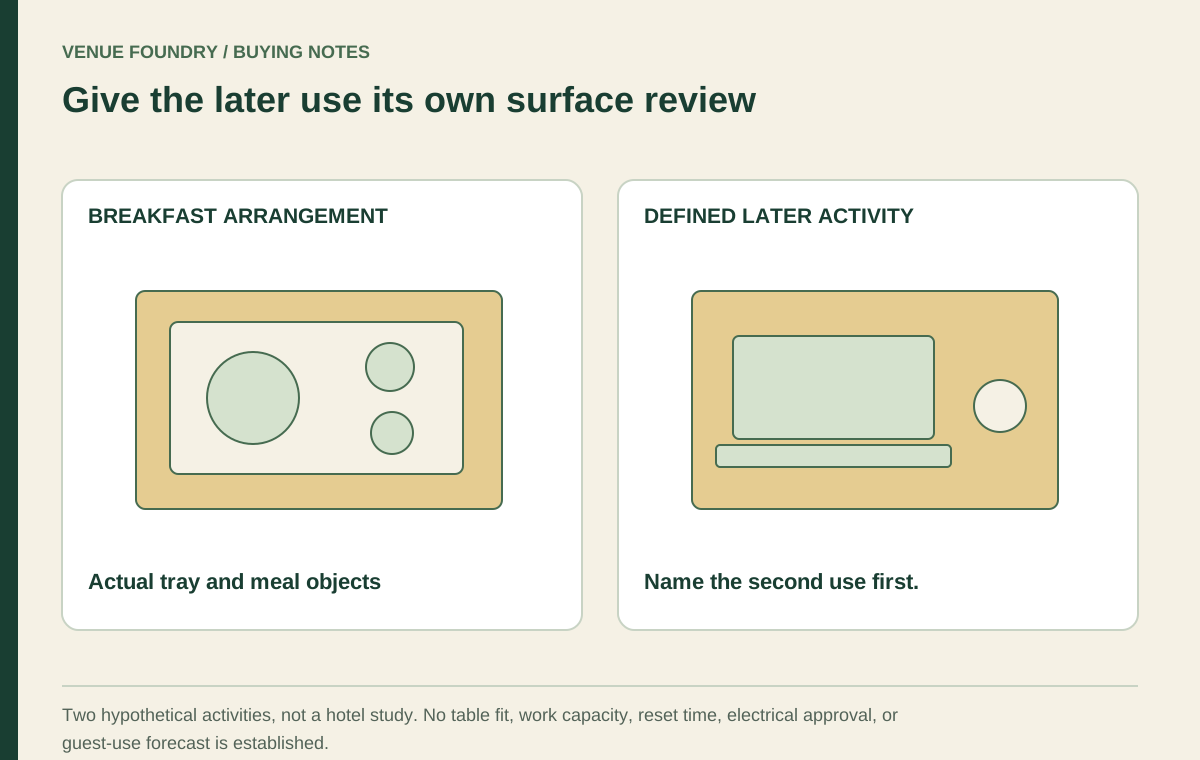
Compare the two arrangements through surfaces, seated activities, service routes, and the inventory between them. This is a planning method, not a study of hotel guest behavior or an estimate of daily reset time. Each proposed use needs its own accepted room and operating review.
Open diagram at full size (new tab) ↗
Start with the breakfast journey
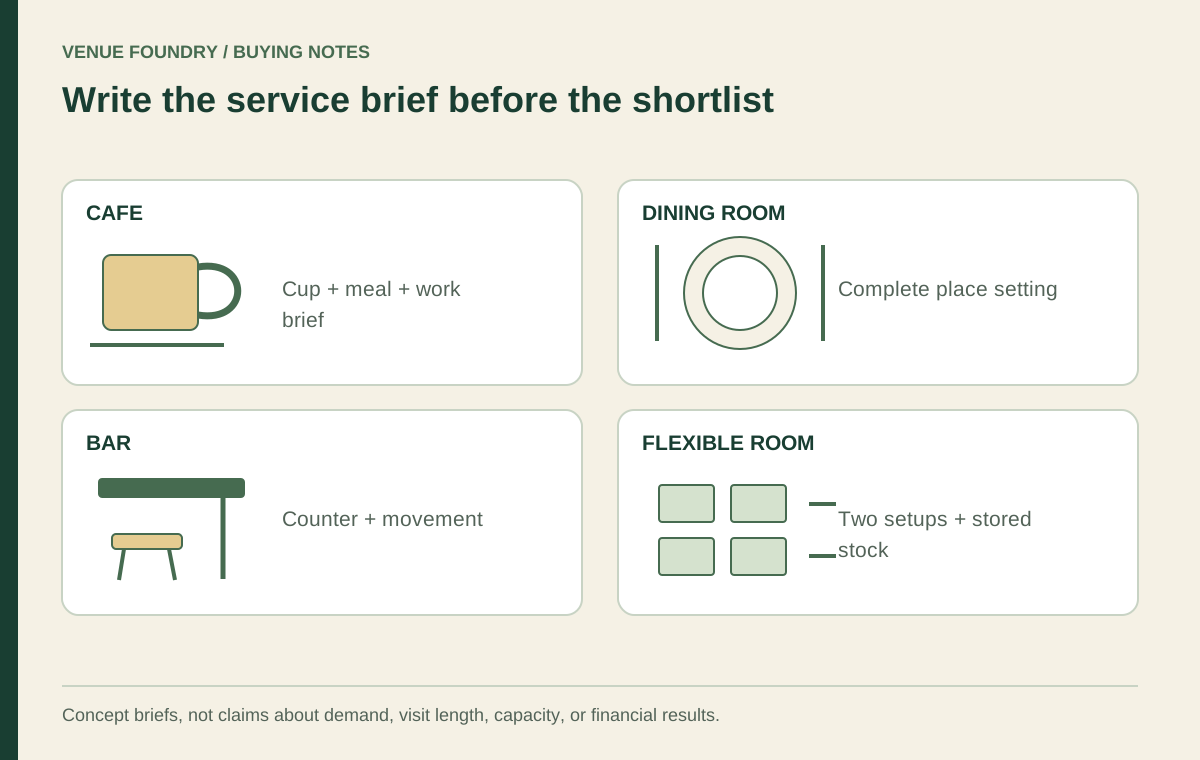
Identify how guests enter, collect food or drinks, find a table, and leave. The buffet or service counter is a separate equipment scope, but its accepted position affects the dining furniture. A table near the collection point should be reviewed with the pauses and movement that occur there.
The bakery service guide offers a useful distinction between display choice, collection, and dining. In a hotel, adapt that sequence to the actual breakfast operation rather than assuming every property uses trays or self-service in the same way.
Keep occupied chairs in the plan. A route that appears clear when seats are tucked under tables may change during the meal. The service-route review helps connect those positions to the tasks around them.
Review the complete tray or breakfast setting
Use the hotel's actual dishes, cups, juice glasses, utensils, and any tray that remains at the table. A guest may collect several items at once or return for another item during the meal. The furniture review should reflect the chosen service method, not an idealized single-plate photograph.
The tabletop sample article provides a way to examine usable surface. Review both an individual setting and the intended group arrangement. Shared items can occupy the space between guests even when each place setting seems compact on its own.
Do not infer a hotel dining capacity from tabletop size. The meal arrangement, support, chairs, routes, and applicable requirements all remain part of the project. The furniture count is a purchasing fact, while usable capacity needs the appropriate site review.
Name the later use precisely
An informal meeting with laptops differs from a plated lunch or a quiet guest lounge. Each asks different things of the surface and seat. Choose the actual intended second use before deciding whether the breakfast furniture can remain unchanged.
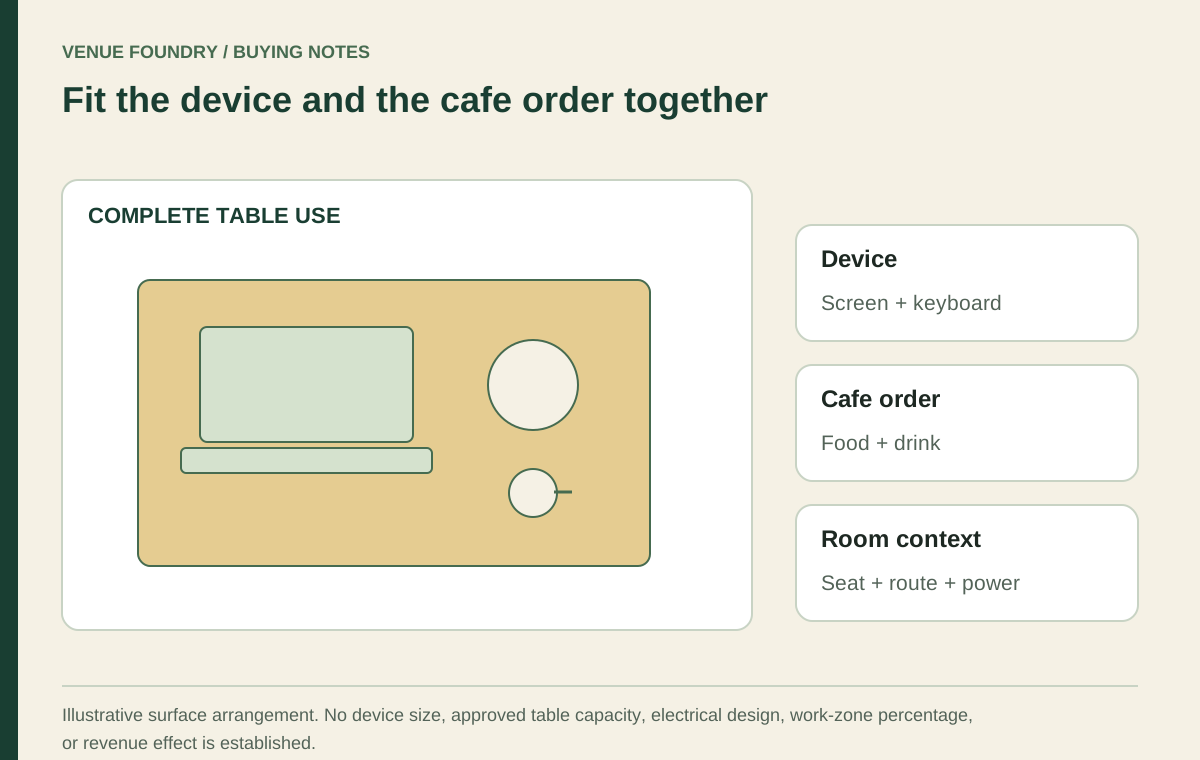
The laptop table article examines devices alongside food and drink. If work use is part of the hotel's brief, also identify the power scope and surrounding movement. A larger tabletop does not automatically create an appropriate work setting.
If the later use requires furniture movement, show the changed arrangement separately. A room is not fully specified by saying that tables can be pushed aside. Every moved object needs an accepted destination and permitted handling method.
Compare stable furniture with a reset version
A stable layout may reduce the number of changed objects, while a deliberate reset may better support the second activity. Neither direction is automatically superior. Compare the actual settings and operating tasks rather than assume that movement is either effortless or unacceptable.
The private-event layout guide classifies unchanged, moved, stored, and additional pieces. Use that inventory method for the hotel's two services. The same chairs may be shared, while a different table arrangement requires separate accepted components.
For an invented example, a breakfast layout using 20 chairs and a later proposal using 16 leaves four chair objects outside the second arrangement. That arithmetic does not establish either capacity or prove that the four chairs fit in storage. It simply exposes the inventory question.
Carry actual product identities into both plans
The October 17, 2026 FRU-SW-BB-SET record described a 30-inch table height, a solid wood top, and an included cast iron base with separate size choices. A selected version could be considered in a hotel project, but the family name does not define its fit for either service.
The actual-dimensions guide explains how to replace generic symbols. If the chair changes between proposals, use its actual outline and selected configuration in both. Do not preserve a narrow generic object after choosing a wider armchair.
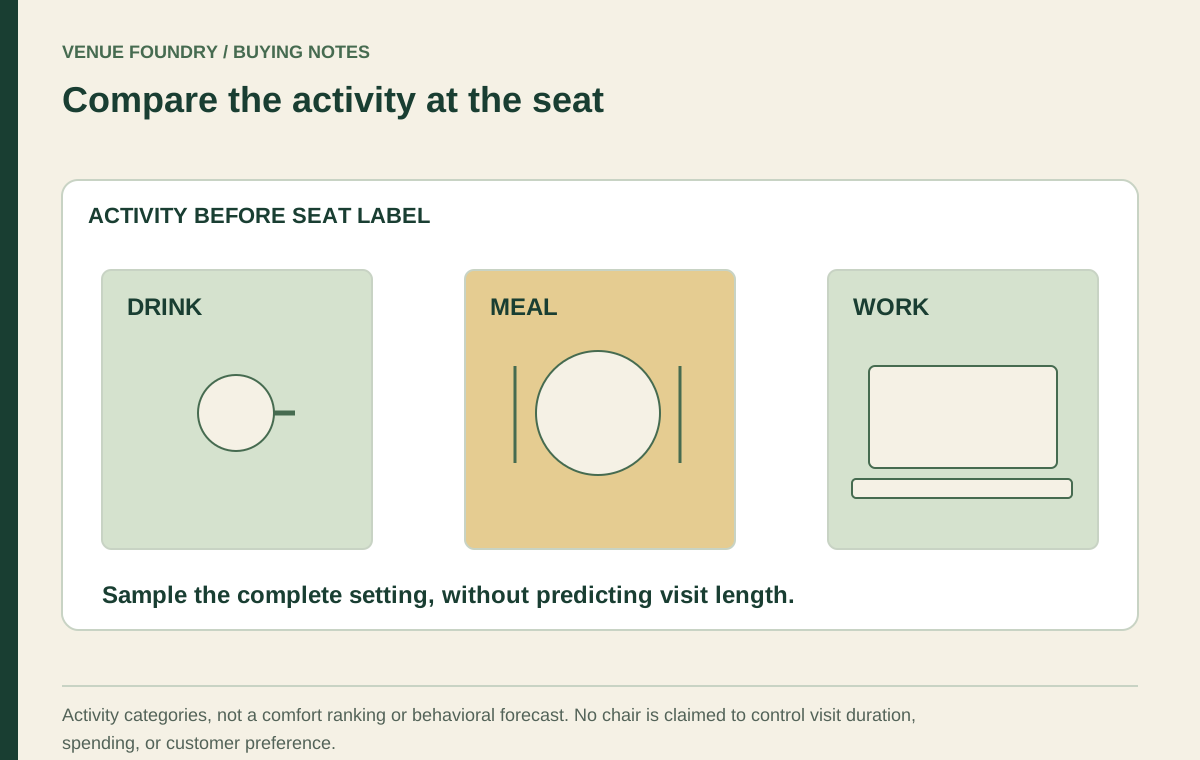
The chair sample protocol can support the seated review. Identify the actual activity and participant observations, without treating one sample response as a universal statement about hotel guests or visit length.
Keep luggage and personal items within the operating brief
Some guests may arrive with personal items, but the furniture plan should not assume every bag belongs beside a dining chair. Determine the hotel's intended approach and review its effect on routes and occupied settings. A luggage-related requirement needs a clear location and responsibility.
Avoid assigning storage capacity to a chair, tabletop, or booth unless the product is intended and documented for that use. A convenient-looking gap is not an approved storage feature. The relevant site requirements remain part of the room review.
The waiting-area guide also helps separate a pause near the entrance from a dining position. If guests wait before a table is available, that activity should be visible rather than absorbed into the breakfast route.
Price the shared furniture and the transition
Use the budget planner to price shared inventory once, with any additional later-use pieces identified separately. Include accepted storage or handling equipment in its appropriate scope. Keep buffet equipment, power work, and other unresolved project costs outside the furniture subtotal.
Before the selection is complete, review the breakfast objects, later activity, occupied arrangements, moved inventory, storage destination, and restoration method. The daily reset article keeps access and permitted movement separate from material-specific cleaning instructions.
Give the room two clear uses rather than an undefined promise
A hotel breakfast room becomes more useful when its later purpose is specified as carefully as its morning service. The furniture should answer both surface and seating briefs, with the transition described wherever pieces move. That clarity is more valuable than calling every item multipurpose.
Use contact for unresolved dimensions or handling information before ordering. Retain both accepted arrangements with the project and identify the inventory shared between them. The purchase should explain how the room works throughout the intended day, including the furniture that is temporarily out of use.