The project notebook
Restaurant furniture by venue type: write the service brief before the shortlist
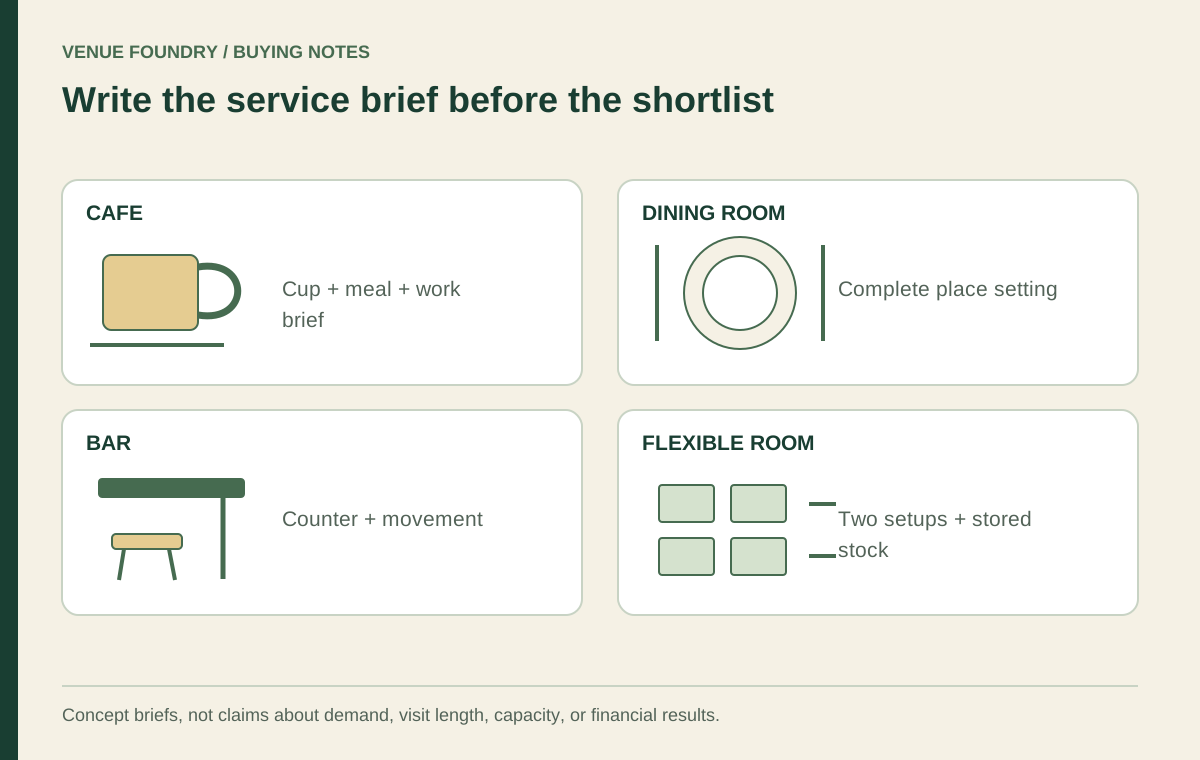
A venue label is a useful introduction, but the service brief makes the furniture selection specific. Two cafes may use their tables very differently. A restaurant with a counter, patio, and private room may contain several furniture problems within one address. Describe the activities before using the business type as a shortcut to a style.
The comparison becomes clearer when each setting is translated into the same questions: what guests bring to the table, how they enter the seat, how staff serve the position, and what changes between services. Those questions lead to a shortlist with a practical purpose and a budget that reflects the actual mix of furniture.
Open diagram at full size (new tab) ↗
A cafe brief begins with the tabletop activity
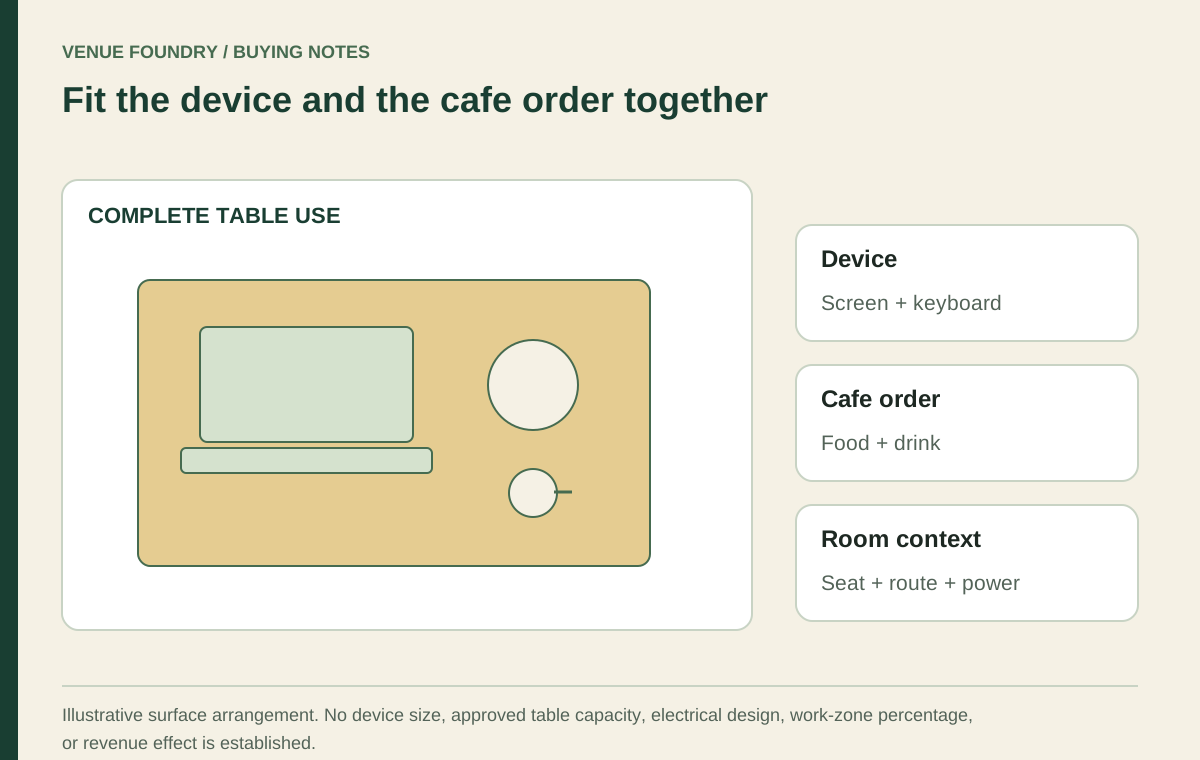
Coffee, pastries, a lunch plate, and a laptop occupy a table in different ways. Decide which activities the venue intends to support in each area. A window counter can be one part of the mix without defining every position in the room.
Browse tables and chairs against that brief. Review the actual serving pieces and the proposed seated arrangement before choosing a size. Do not assume that a compact-looking table in a photograph provides enough room for the cafe's menu and intended use.
Where a counter is included, use the commercial stool guide to record its measurements separately. The cafe's standard dining chair and counter stool can relate visually while remaining different products with different fit questions.
A full-service dining room needs a complete place setting
Start with the menu's real tableware, including shared dishes or serving items where relevant. The tabletop, chair, and support form a working arrangement. A surface chosen only for its appearance can leave a practical question about the full setting unanswered.
The table-system article connects tops and bases with the intended seating. Keep component scope visible when comparing a full-service room budget. A set of tabletop prices is not automatically a complete table schedule.
Consider the party mix and the flexibility the operator wants. Several smaller tables and one larger piece can produce different arrangements and reset tasks. Compare those alternatives using the same service brief instead of assuming a particular shape or style always produces a better room.
A bar combines the counter with the seated activity
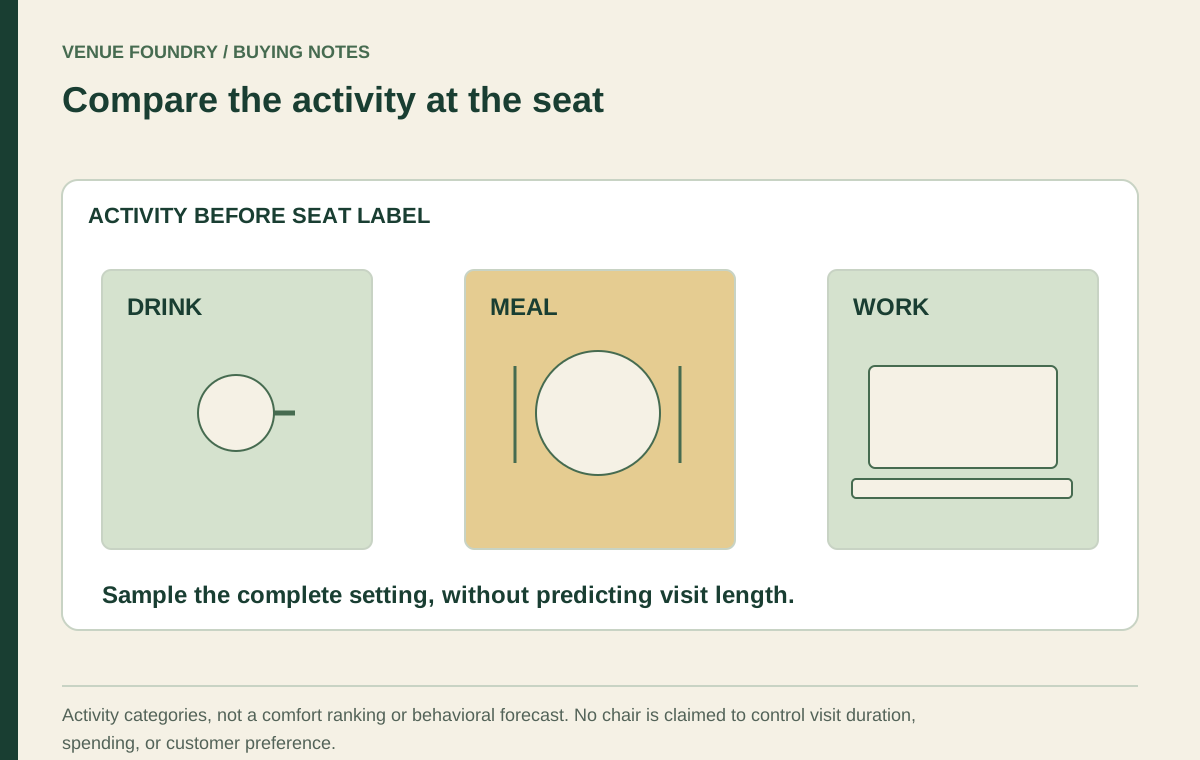
Describe whether the planned position is mainly for drinks, a full meal, watching an event, or a combination. The stool review should address the actual counter, place setting, and movement. The back profile can also affect the room's visual rhythm and the view across the counter area.
Compare bar stools as configured products. In the October 17, 2026 record, FRU-10427-BS-SW had a metal frame, a swivel-seat field, and offered wood or padded-vinyl seat choices. That single candidate already contains several decisions beyond its overall style.
Use the swivel review when movement is part of the brief. Keep an unknown rotation range or return behavior open. A bar concept does not justify filling missing mechanism details with assumptions.
A hotel dining room may need more than one furniture schedule
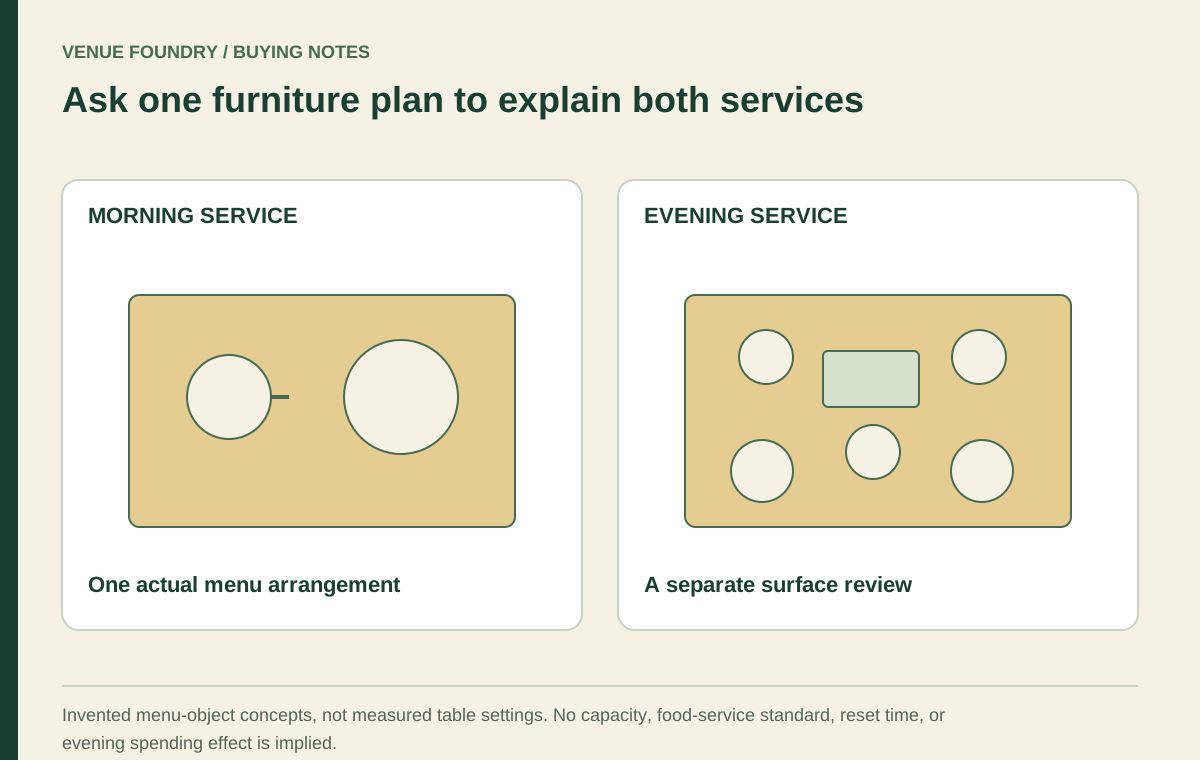
Breakfast service and a later meeting or dining use can place different demands on the same area. Identify which pieces stay in place, which are moved, and where unused stock is stored. The budget should show shared inventory separately from additional pieces needed only for one setup.
An appropriate review can compare the actual table settings and movement routes for both uses. Record the selected product versions and the operating assumptions. Do not convert a proposed arrangement into a claim about occupancy, labor savings, or guest demand without the corresponding evidence.
The stacking-chair guide becomes relevant when storage is part of the approved plan. Confirm model-specific stacking and handling information before assuming that a room can be cleared into a particular cupboard or corridor.
Outdoor hospitality needs its own use review
A patio attached to an indoor venue can repeat a color or texture while using different furniture. Keep its exposure, ground conditions, and storage plan distinct from the interior schedule. An indoor selection should not move outside merely because its appearance suits the terrace.
The outdoor selection guide explains how to connect the site description with each product's stated use. Review exact materials and offered options. A bamboo look, for example, should not be rewritten as a bamboo frame when the record identifies another material.
Seasonal operation also deserves a place in the brief. If pieces will be stored or the arrangement will change, identify the route and the required instructions. The outdoor furniture total should remain separate from unconfirmed site work or supporting equipment.
Use the same comparison fields across different concepts
A repeatable brief makes it easier to compare venues without flattening their differences. Create named zones in the budget planner, then record the intended activity and selected products for each. The same model may appear in several settings, but the required count and supporting information can differ.
In a food hall or another shared setting, add the party responsible for the furniture scope. A tenant's own tables and the common seating area may appear on the same drawing while belonging to different purchase records. Resolve that boundary before combining the quantities, so a shared-area requirement is neither duplicated nor omitted.
For each zone, retain these three decisions:
- The service activity and actual place-setting or counter requirement.
- The product configuration, dimensions, and documented intended use.
- The reviewed quantity and any unresolved commercial or site question.
Use the layout-to-schedule method to reconcile those selections with the measured plan. A venue label helps organize the discussion, but the plan and product record make the purchase specific.
Let the concept show through a complete brief
Review materials guidance when the room's identity depends on a particular finish relationship. The palette can connect a cafe, bar, or hospitality room without forcing every zone to use the same shape or substrate. Keep physical approvals and selected option labels identifiable.
The useful comparison is between complete service settings. Each has its own activity, furniture system, and operating questions, while the budget uses the same clear record structure. That gives the designer room to create a distinct venue and gives the buyer a practical explanation of what the selection is meant to do.