The project notebook
Cafe chairs for different visit lengths: compare the actual seated activity
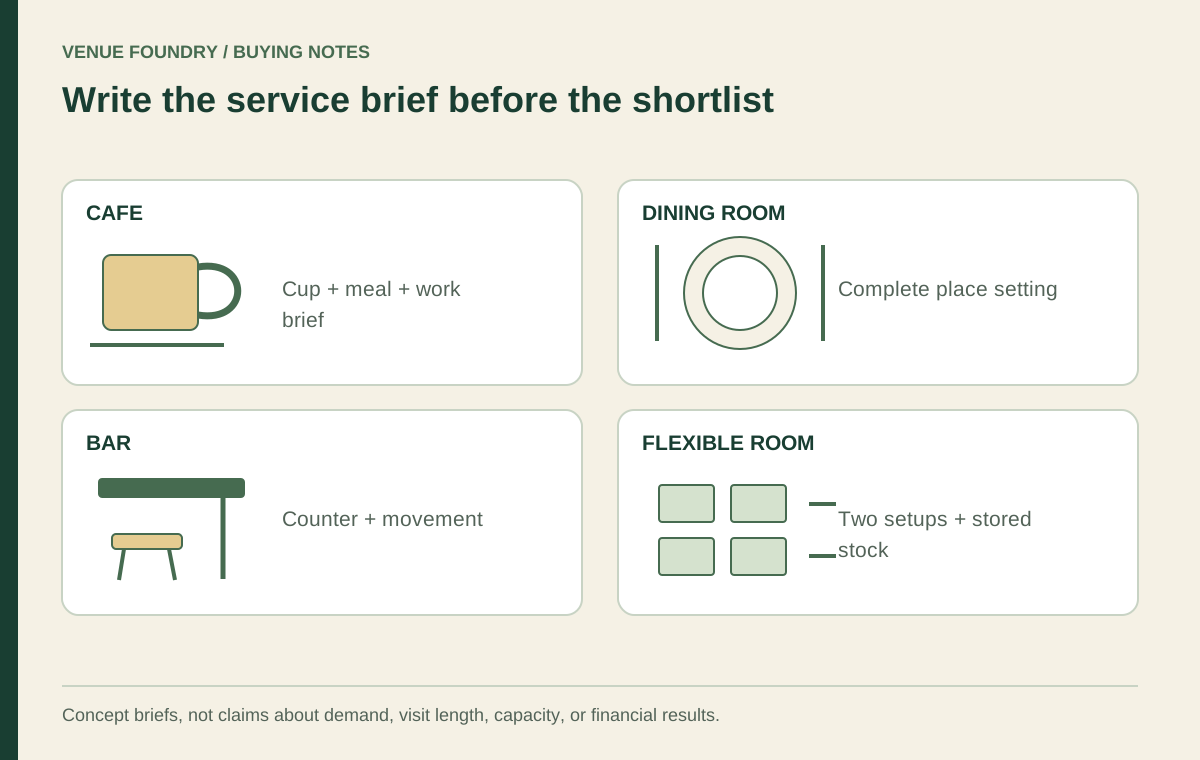
A cafe seating mix should respond to what guests do while seated. A quick espresso, a plated lunch, and a laptop session involve different objects, postures, and relationships with the table. Visit length can help describe the brief, but it should not be treated as a property that a chair can reliably control.
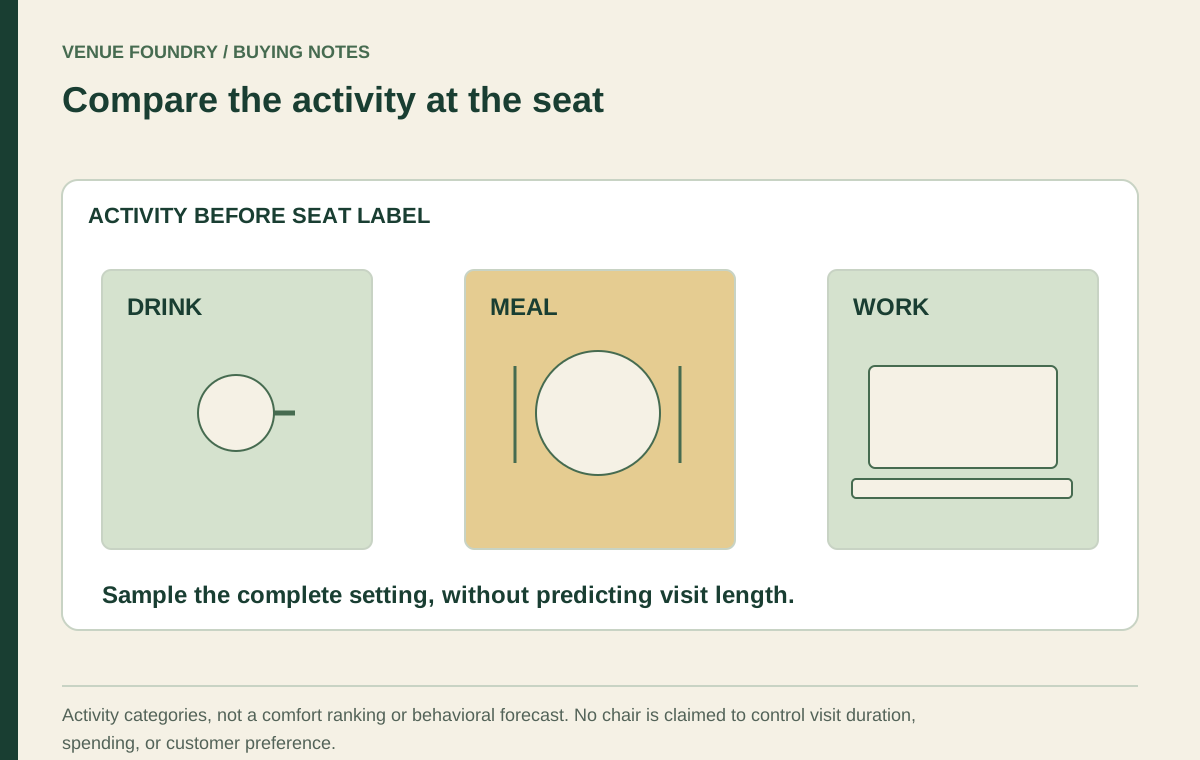
Compare the intended activities with actual chair and table samples. This article does not claim that one seat makes guests stay longer or leave sooner. It explains how to select a coherent mix without reducing comfort, surface use, and appearance to a single label such as quick-service chair.
Open diagram at full size (new tab) ↗
Start with the seated activity
For a short drink, the guest may use a compact surface and move frequently between ordering, collecting, and sitting. A lunch setting may involve a full plate, cutlery, and a longer continuous meal. Work use introduces a device, personal items, and potentially charging requirements.
The coffee shop chair collection contains product choices, but the operating brief should determine how they are compared. Describe the actual service rather than assuming that all cafes need the same proportion of stools, dining chairs, and upholstered seats.
If there is no operating history yet, label the scenarios as planning assumptions. An opening concept can still make deliberate choices without presenting guessed visit patterns as observed customer behavior. Those assumptions can later be reviewed against the cafe's own experience.
Compare seat form together with table use
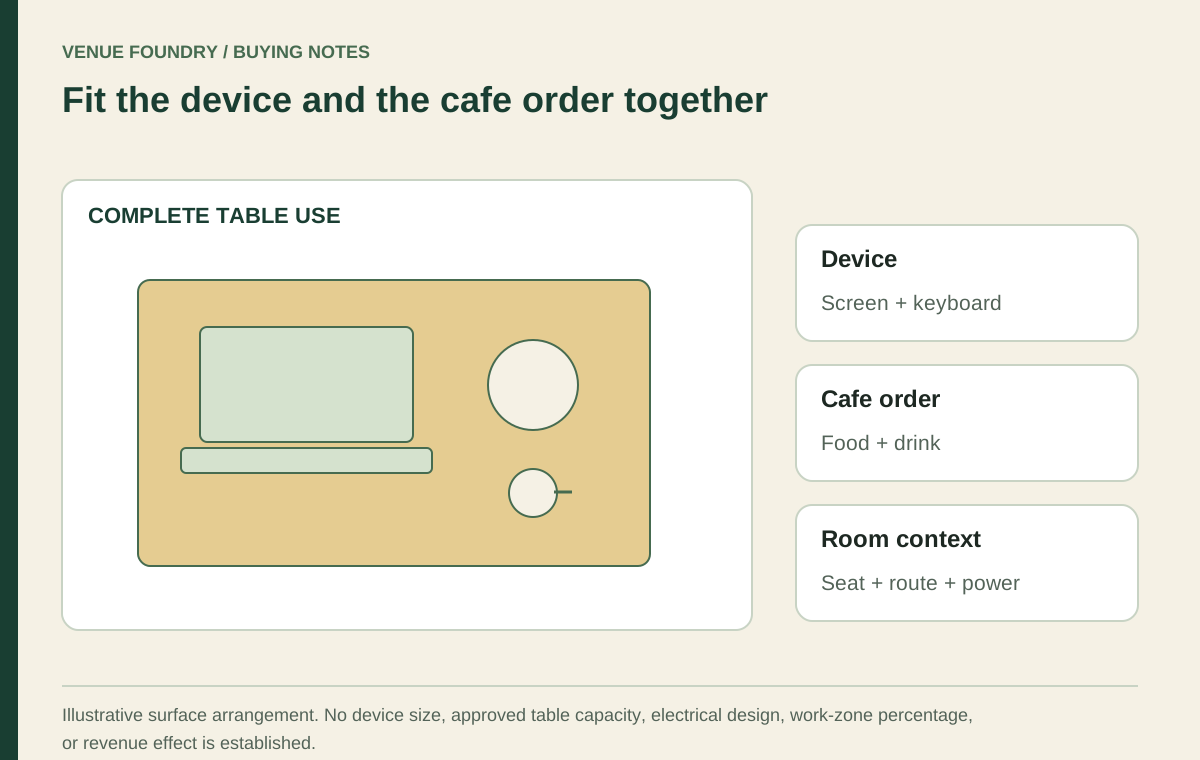
The seat, back, and table create one relationship. A chair that feels suitable when tried alone may put the guest differently relative to the selected dining surface. The sample review should include the actual table height, underside, support, and intended serving pieces.
The chair comfort protocol provides a way to collect specific observations. Use it to describe the activity and participant context rather than announce a universal comfort winner. Different guests may reasonably prefer different forms.
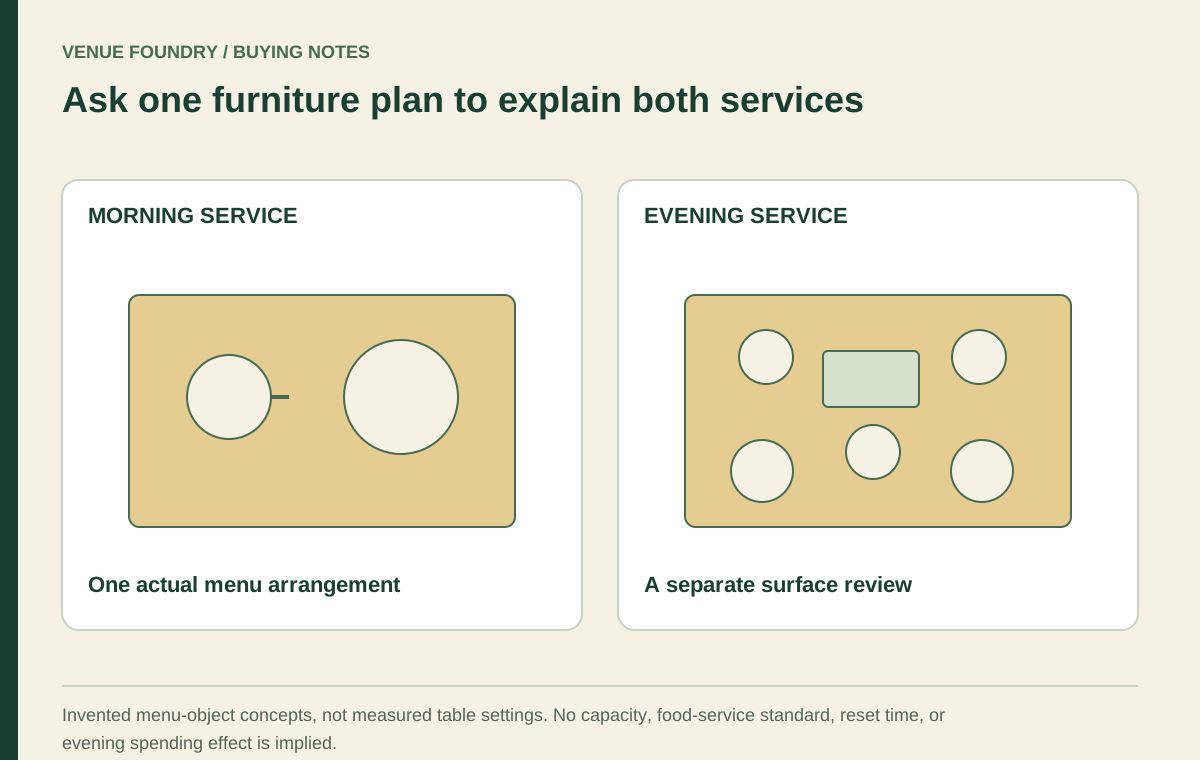
The complete-setting mockup extends that review around the table. It is especially useful when the cafe plans to repeat one setting across much of the room. A small mismatch can otherwise be multiplied through the entire purchase.
Understand what a seat option actually changes
The October 17, 2026 FRU-21290 record described an indoor bentwood chair with Wood Seat and Padded Vinyl Seat choices. Its listed wood finishes included Mahogany, Walnut, Natural, Black, and White. The seat selection and frame finish were separate configuration decisions.
A padded option does not by itself establish a better experience for every activity, nor does a wood seat establish a shorter visit. Compare the actual selected version, including the relationship to the table and the exact care information available for its materials.
The upholstered seat article separates the material choice from assumptions about performance and maintenance. Carry the selected seat code into the purchase record so the sample, displayed thumbnail, and configured price describe the same version.
Use arms where their role is clear
Arms can change the visible form, outer dimensions, and way a guest approaches the seat. They may be useful in one part of the cafe and less suitable in another arrangement. The decision should follow the table relationship and actual sample observations.
The dated FRU-401070-AR record listed a wood-frame armchair with an outside width of 20 3/8 inches and depth of 21 1/4 inches. Those are object dimensions, not required spacing or an assurance that the arms fit beneath a selected table.
The armchair comparison helps keep that distinction visible. Avoid using one generic chair symbol for an arm and armless mix. Each selected form should appear accurately in the plan before quantities are approved.
Give elevated seats a distinct purpose
A window counter or elevated table can create another setting within the cafe, but the stool must match the actual surface and intended activity. A high seat chosen mainly for visual variety may be a poor fit for a meal or work session if the relationship is unresolved.
The commercial stool guide addresses the counter, foot support, back form, and movement questions. Treat elevated seating as its own configuration rather than a taller version of the dining chair schedule.
Keep standard-height settings and the applicable accessible dining requirements within the overall project review. A mixed furniture palette does not establish compliance on its own. The actual routes, surfaces, and site conditions still need the appropriate determination.
Coordinate a mix without making every chair identical
A cafe can use different seat forms while maintaining a clear material relationship. Repeated wood tones, related frame colors, or a controlled upholstery palette can connect the settings. The forms can differ because their roles differ, not because the room lacks a plan.
Read the materials guide before evaluating the chosen references through screen color names alone. Compare physical samples where available under the intended room lighting. Similar digital swatches do not establish an exact match across different materials or suppliers.
The chair and stool coordination article explains why a shared palette still requires separate specifications. A finish available on the dining chair may not be selectable on the stool, and a matched appearance does not imply a matched price.
Compare quantities through the cafe's actual service plan
Create a schedule for the proposed settings and examine the transitions between them. A work-oriented area should not make the dining route an afterthought, and a quick-drink counter should not be placed where waiting customers occupy its approach.
Ask the buying team:
- Which activity does each setting support?
- Has the complete chair and table relationship been reviewed?
- Are arms, backs, and elevated forms shown accurately?
- Do the materials form a deliberate room palette?
- Are quantities based on the accepted arrangement?
Price that schedule in the budget planner, keeping selected options and quantities visible. Compare the complete mix instead of ranking chairs by their starting price alone. The cost belongs to a set of intended roles within the room.
Let the furniture support choices without predicting behavior
A thoughtful cafe seating mix recognizes several ways to use the room. It can provide different views, surfaces, and seat forms while remaining visually coherent. Those choices should be grounded in the service brief and sample review, not claims that a chair will control the length or value of a visit.
Use contact for missing configuration or dimension information before the final purchase. Keep the selected mix with the project plan and revise it from the cafe's own evidence when available. Each setting should have a clear purpose that the furniture can actually support.