The project notebook
Restaurant table tops: give the sample a real place setting to work with
A tabletop sample earns its place in a purchasing decision when it answers a question that the photograph cannot. The useful questions are often quite ordinary: can the menu be read against this surface, does a plate sit comfortably near the edge, and does the chosen color still work beside the upholstery after sunset?
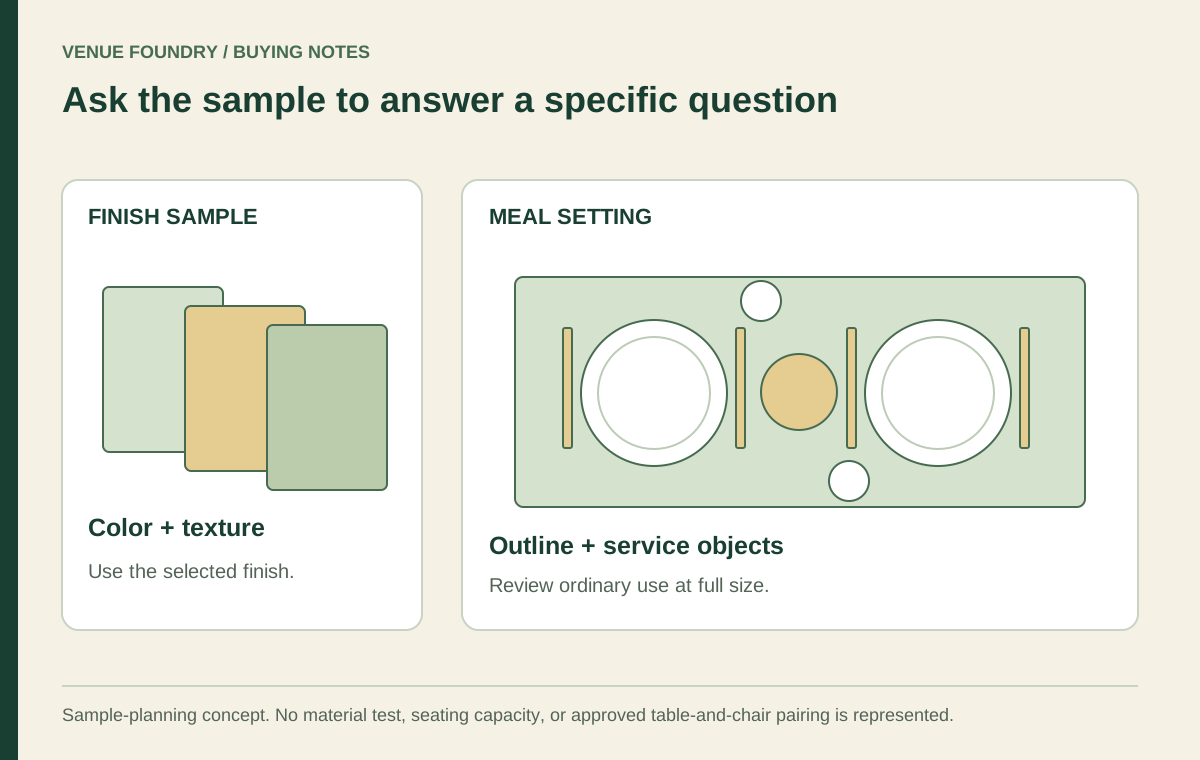
A small finish chip and a complete assembled table answer different questions. Use the chip to narrow color and texture, then use an appropriate full-size example when shape, edge treatment, and the seated relationship remain unresolved. Neither exercise predicts years of service or replaces the product's published limits.
Open diagram at full size (new tab) ↗
Give each sample a specific job
Start with the decision that separates the finalists in the tabletop collection. Two similar wood colors might require a lighting comparison. A square and a round top require a place-setting exercise. A familiar finish on a different edge requires a closer look at the rim, underside, and how the pieces meet.
Write a short question beside each sample before it arrives. For example, a breakfast operation might want to compare a white cup against two pale surfaces. A dinner service might need room for a bread plate, water glass, wine glass, and a shared side dish. These questions are more informative than asking whether a sample simply looks expensive.
The sample also needs an identity. In the October 17, 2026 record for FRU-SELF-EDGE, laminate choices were organized into Stone / Marble Look, Wood Grain, and Solid Color branches. A chip from one branch cannot stand in for the entire range. Keep the actual pattern code and selected finish attached to it.
Separate a color decision from a construction decision
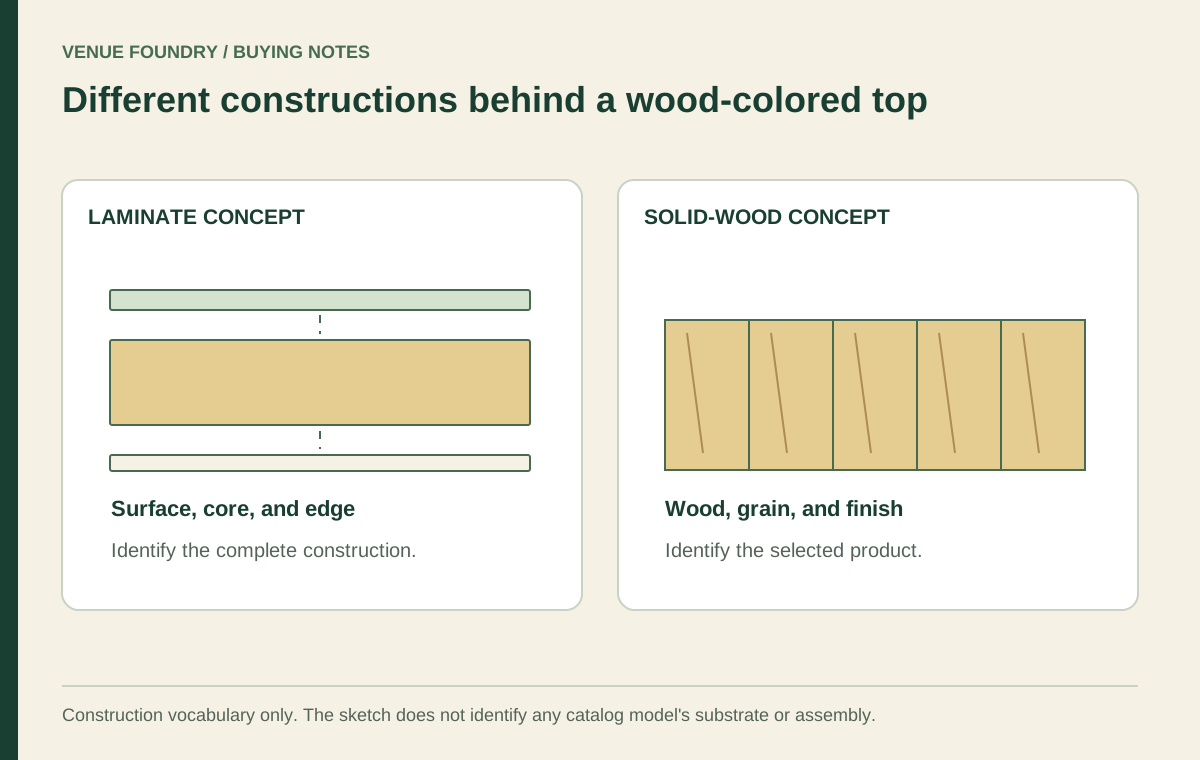
A decorative sample can show color and surface texture while saying little about the finished table. The core, edge, underside, mounting arrangement, and overall thickness belong to the assembled product. A favorable response to the decorative face does not answer whether the whole construction suits the project.
Formica's surface guidance advises using an actual laminate sample in the specified finish when exact color or a match across materials matters. That is a useful limit for any screen-based shortlist. A photograph can help narrow the choices, but its appearance depends on the display and the conditions in which the image was made.
Lay the candidate beside the real upholstery reference and nearby wall or floor samples. Rotate the samples together and compare them in the room's relevant light. If one surface looks harmonious beside the chair but conflicts with the flooring, the problem is a relationship between materials, not necessarily an unsuitable tabletop color. The materials guide explains why screen references and physical finish approvals are different steps.
Reproduce the meal before evaluating the outline
For a shape decision, place the actual service items on a full-size outline or an approved sample table. Use empty dishes and ordinary handling. Include the objects that remain throughout the meal, not only the main plate. Menus, condiment holders, small lamps, and shared dishes all occupy part of the same surface.
Imagine a deliberately simple exercise using two 10-inch plates on opposite sides of a 24-inch-wide rectangle. Their diameters account for 20 inches across that direction, leaving 4 inches before considering how far each plate sits from the edge. This is arithmetic about the chosen objects, not a recommended table size or guest clearance. Adding a shared serving bowl could change the preferred outline immediately.
Repeat the arrangement on the alternate shape. The round and square comparison explains why equal outside widths can provide different usable areas. A circle removes corners that a square retains, while the edge nearest each diner also follows a different line. The place setting reveals which difference matters to the menu.
Look across the surface from a seated position
Standing above a sample can hide an objection that becomes obvious at the table. Sit at the intended height, with the sample supported appropriately, and look toward the menu, glassware, and neighboring place. Review a window-facing position as well as a position beneath the planned lighting.
The purpose is to judge the appearance in those conditions, not to declare a measured glare rating. Gloss, surface pattern, and lighting position can affect what the team sees. If a bright reflection crosses the menu at one location, consider both the finish and the lighting arrangement before rejecting an entire material category.
Examine the rim from the same position. An edge profile can look thin from above but appear substantial when seated. Check where hands and sleeves meet the edge during ordinary use. Keep the selected chairs in the comparison because seat height and arm position change this relationship.
Review care without staging a damage test
Normal sample evaluation should not become an improvised scratch, heat, or chemical test. A coin dragged across a surface or an unapproved cleaner left overnight does not establish a reliable performance rating. It may only damage a sample and create a misleading comparison.
Read the exact finish care guidance and compare it with the proposed cleaning routine. Ask whether the edge and underside require different treatment from the decorative face. The tabletop care discussion separates furniture instructions from cleaning-product instructions, which is particularly useful when the team already has a preferred cleaning product.
A solid-wood example introduces another distinction. The dated FRU-SW-BB listing specified an indoor solid-wood top at 1 1/2 inches thick with several finish choices. Its material heading alone does not prescribe oiling, sanding, or the use of a particular disinfectant. The selected finished version needs its own instructions.
Price the evidence that could change the order
Put sample costs in proportion to the unresolved decision. A color chip may settle a palette question, while a full assembled sample may be justified when a large room repeats one difficult pairing. Shipping, handling, and any return conditions belong to the sample arrangement itself. Review the applicable ordering process before treating a sample as returnable stock.
Use a compact comparison with specific observations:
- Appearance beside the selected seat and floor references.
- Fit of the actual meal setting on the proposed outline.
- Seated view of reflections and edge proportions.
- Care instructions applicable to the selected finished surface.
- Questions that still require a drawing or manufacturer response.
Choose the sample result that answers the original question
The strongest decision identifies what was learned and its limits. A pattern that works beside the room's upholstery can be approved for appearance while the base pairing remains open. A complete table that suits the meal arrangement can still require a different quantity after the final room review. Keep those decisions separate in the budget planner.
Move forward when the sample has resolved the reason it was requested. Save the exact selection with the project, use contact for the remaining product-specific questions, and avoid turning a pleasant sample session into a promise of untested performance. The result should be a more precise order, with fewer assumptions hidden behind the picture.