The project notebook
Cafe furniture from morning coffee to evening drinks: keep both setups visible
A cafe that serves coffee in the morning and drinks in the evening asks its furniture to support two service patterns. The menu objects, lighting, guest grouping, and staff movement may change even when the room remains open in the same arrangement. Start by identifying those changes before assuming the furniture must transform completely.
Compare a stable furniture layout with a deliberate changeover version. Both can be valid directions for a particular cafe. The buying decision should show what each setup requires, including any moved or stored pieces, without promising a faster reset or a higher evening spend.
Open diagram at full size (new tab) ↗
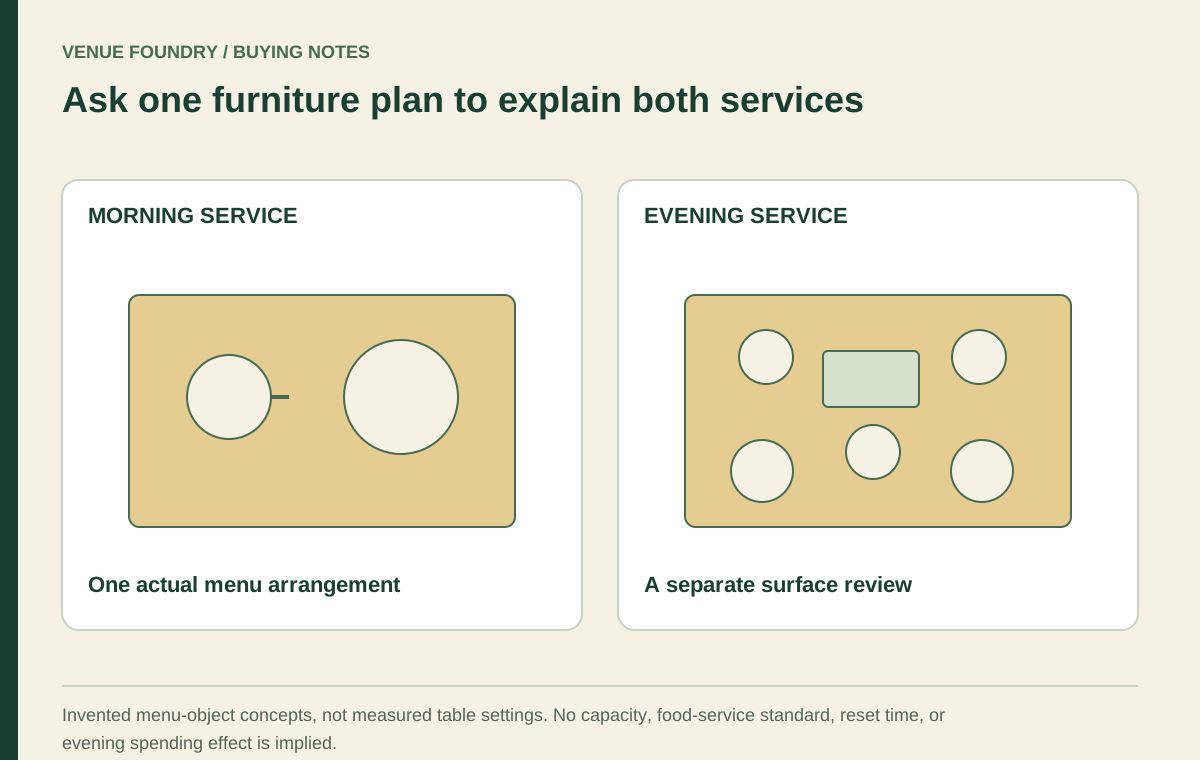
Put both services on the same tabletop
List the actual serving pieces used in each period. Morning service might include a cup, saucer, pastry plate, and a tray. Evening service might use several glasses, small plates, a water vessel, and shared items. These are examples to replace with the cafe's own menu.
The tabletop sample guide helps compare those arrangements. A surface that accommodates one service neatly may be crowded by the other. Review ordinary use and the arrival of additional items rather than only a carefully staged opening setting.
If the same table serves both periods, the selected size and support should answer both briefs. If separate zones serve different purposes, make that allocation clear in the plan. The furniture purchase should follow the chosen operating model rather than conceal an unresolved menu conflict.
Decide what changes beyond the objects on the table
The morning service may have an ordering queue or collection point that changes later. The evening arrangement may introduce a different staff approach or a larger share of seated service. Those movements affect where furniture belongs even when the product itself remains unchanged.
The pickup and dining layout article separates destinations, pauses, and routes. Use that method to compare the two service periods. A morning queue should not be treated as empty floor when the furniture count is set.
Keep both plans anchored to the actual site requirements. Changing the time of day does not create permission to move furniture into a required route. Each proposed operating arrangement needs its own appropriate review.
Compare one table height with a deliberate height mix
Standard-height settings can form the shared inventory, while elevated settings may support another part of the service brief. The choice is about the actual guest activity and room arrangement, not a rule that evening service needs taller furniture.
The October 17, 2026 FRU-SW-BB-SET record listed a 30-inch table height. The related FRU-SW-BB-BAR-SET record listed 42 inches. Both records described solid wood tops with cast iron bases included and separate configuration choices.
Those distinct products illustrate why a shared visual family still needs separate seating and placement reviews. The difference in table height is not an instruction to interchange chairs and stools. The actual seat relationship and support footprint must be accepted for each setting.
Review material appearance under both lighting conditions
A finish may read differently in the cafe's morning and evening light. Compare the selected surface and upholstery references in the intended conditions rather than approving the entire palette from one bright screen image. The purpose is appearance review, not a claim about coating performance.
The chair finish article discusses physical references and lighting context. Apply that discipline to the whole setting. A tabletop, seat, and frame can relate well in one view while the balance changes under another lighting arrangement.
Do not invent a lighting specification through the furniture selection. The cafe's lighting plan has its own design and installation scope. Furniture samples should be reviewed within that plan, with unresolved conditions identified before a large quantity is ordered.
Keep seating choices connected to both activities
The cafe seating mix guide compares chairs by the actual seated activity. Use it to ask whether the proposed form works for both services or belongs in a particular zone. A chair need not change merely because the menu changes, but the relationship should be reviewed.
For elevated seating, consult the stool and counter fit guide. The evening meal or drink arrangement may occupy more surface than a morning cup. Seat width, support, approach, and table objects remain connected.
Avoid predicting visit length from upholstery or back form. The furniture can provide a considered setting, but it does not reliably control guest behavior. Base the mix on the cafe's own brief and sample observations instead of a generic day-to-night marketing claim.
Price the changeover as a real scope
If furniture moves between services, identify each changed item and its destination. A table removed from the room still needs storage. A chair moved to another zone still needs an accepted position there. The event-layout guide provides a useful inventory classification.
Separate objects that remain unchanged, objects relocated, objects stored, and additions used only in one period. This makes it possible to compare a stable layout with a reset version without hiding the extra inventory or handling scope.
The daily reset article addresses access, permitted movement, and restoration of the intended arrangement. Do not assume that every furniture item can be stacked, lifted onto a table, or dismantled merely because a daily changeover is desired.
Make the two-service comparison specific
Review the proposal against these questions:
- Which menu objects change the tabletop requirement?
- Which arrival or service routes change by period?
- Which furniture remains in the same position?
- Where do moved objects go under an accepted method?
- Do the selected materials work with both lighting plans?
In the budget planner, price the shared furniture once and identify any additional inventory separately. Keep site work, power, lighting, and unresolved service charges distinct from the furniture subtotal. The comparison should show what the chosen operating model actually requires.
Let both services shape one coherent cafe
A cafe can support different services without treating one as an afterthought. The furniture should accommodate the actual meal surfaces, seated activities, and movement in each period. A stable arrangement may answer that brief, or a deliberate changeover may be justified by the room's needs.
Use contact for missing product dimensions or handling information before the order is finalized. Retain both accepted service views with the project. The finished purchase should explain how the cafe works across the day, with each change visible in the plan and inventory.