The project notebook
Outdoor restaurant furniture: start with the setting, then select the pieces
A patio brief begins with the setting. An uncovered street-side area, a courtyard, and a rooftop can present different exposure, access, and storage questions. Write those conditions down before choosing a material or assigning a furniture quantity, because the product needs to be reviewed for the actual place it will be used.
Outdoor restaurant furniture is still a collection of individual products with their own stated use and instructions. A shared visual direction can connect the pieces, but it does not make their specifications interchangeable. The purchase record should keep material identity, dimensions, selected options, and unanswered site questions visible for every line.
Open diagram at full size (new tab) ↗
Describe exposure without assigning a guessed rating
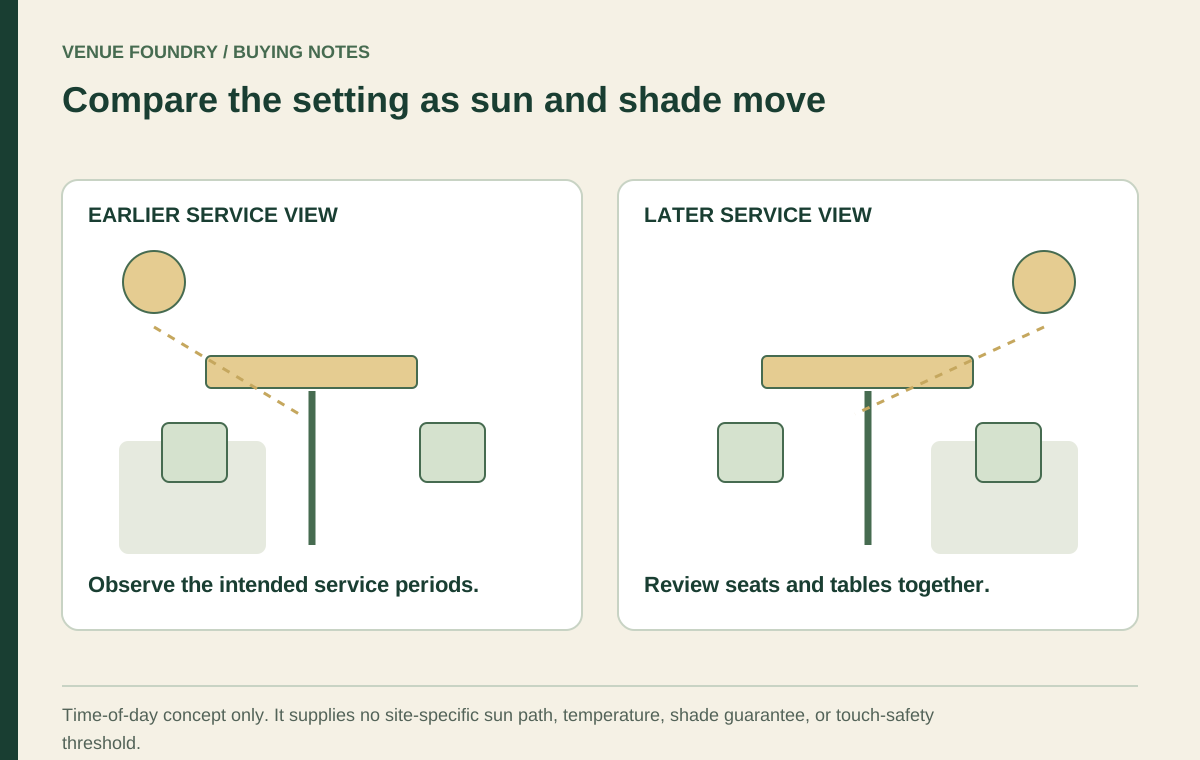
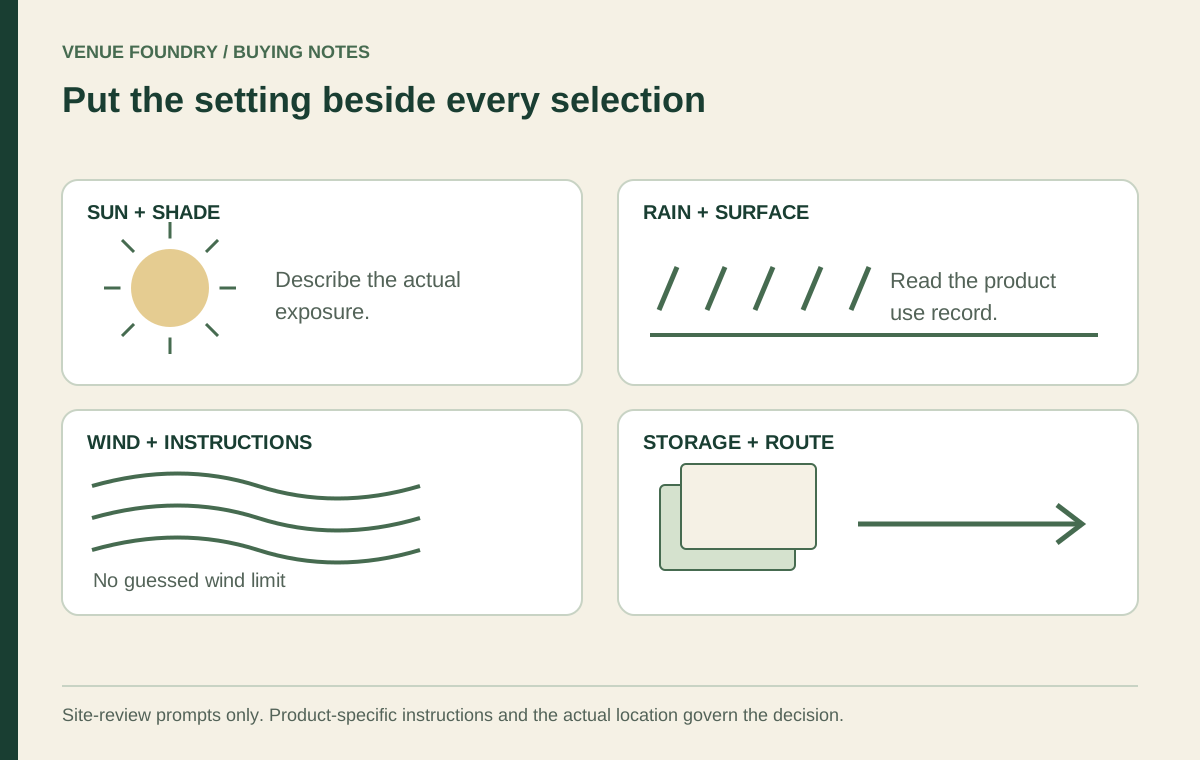
Identify whether the proposed area is open or covered and record the conditions that the project team considers relevant. Sun, rain, wind, and coastal exposure may each prompt different information requests. A broad climate description is less useful than a specific account of where and how the furniture will operate.
Browse outdoor furniture, then read the exact model's stated use. Do not infer suitability from a material name or a photograph taken outside. If the venue needs confirmation for a particular exposure, ask for information applying to the selected product.
Keep site requirements and operating procedures separate from the furniture listing. Product weight alone does not establish a safe wind condition, and a patio classification does not answer every rooftop or coastal question. Those issues need the appropriate manufacturer guidance and project review.
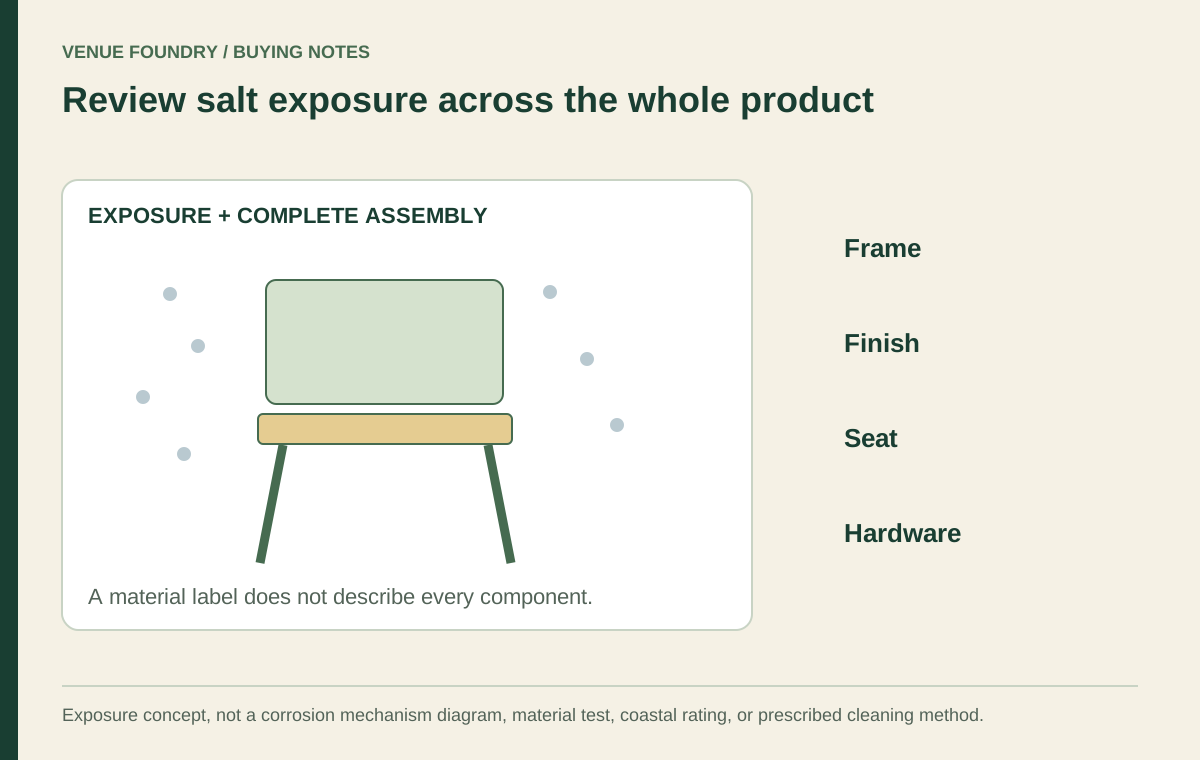
Read the frame and seat materials literally
The October 17, 2026 record for chair FRU-401 identifies an aluminum frame with a bamboo look and a faux-rattan seat. Its appearance can inform the palette, while its actual material fields inform the product review. Calling it a bamboo chair would erase that distinction.
Another record, FRU-402-ECO, lists aluminum and a Plastic Teak seat material. Retain the listed term instead of silently describing the seat as teak wood. The woven-chair material guide explains why appearance and composition need separate entries.
A steel alternative, FRU-110-OD, is listed for patio use with Black and Titanium Grey color choices in the same dated snapshot. These examples establish different material and finish records. They do not rank corrosion resistance, surface temperature, or service life without further product-specific evidence.
The dimensions expose another useful tradeoff. FRU-402-ECO is listed at 5 pounds and 21 3/4 inches wide, while FRU-110-OD is listed at 14 pounds and 16 1/2 inches wide. The lighter candidate is wider in this pair. That makes weight and footprint separate selection variables, not a single material advantage. The products differ in construction and seat form too, so the comparison should not attribute the entire weight difference to aluminum versus steel.
Build a coherent palette without treating finishes as identical
Choose the visual relationship the patio should have with the interior. The outdoor area might repeat a frame color, echo a woven texture, or use a different palette that still relates to the building. Decide which connection matters instead of requiring every piece to look like a duplicate.
Keep restaurant chairs selected for indoor areas separate from the patio schedule. A shared name or color does not establish shared use approval. The finish relationship guide provides a method for comparing references with the surrounding materials and lighting.
Use exact option labels in the saved record. If a physical material match is required, arrange that review separately. A digital thumbnail helps identify a selection, but it does not prove that two different substrates will look identical in the venue.
Treat tables and elevated seating as complete combinations
Select the proposed tables with their documented use classification in view. Where tops and bases are offered separately, confirm both the outdoor requirement and the exact pairing. A suitable top does not automatically approve an unrelated support for the same setting.
For elevated areas, record the counter or table measurements before selecting bar stools. The counter-first stool guide explains why the seat height, overall height, and underside relationship are separate questions.
The dated record for outdoor stool FRU-110-BS-OD lists a 29 1/4-inch seat height and a 42 1/4-inch overall height. It also states patio use. Those are useful facts for a candidate review, but the actual counter still needs to be measured before the pairing is accepted.
Plan the furniture's time out of service
Decide where the pieces will go when the area is closed or the operating plan calls for storage. Record the route and available space. Storage can be a substantial part of the practical decision even when the furniture itself occupies only a small footprint during service.
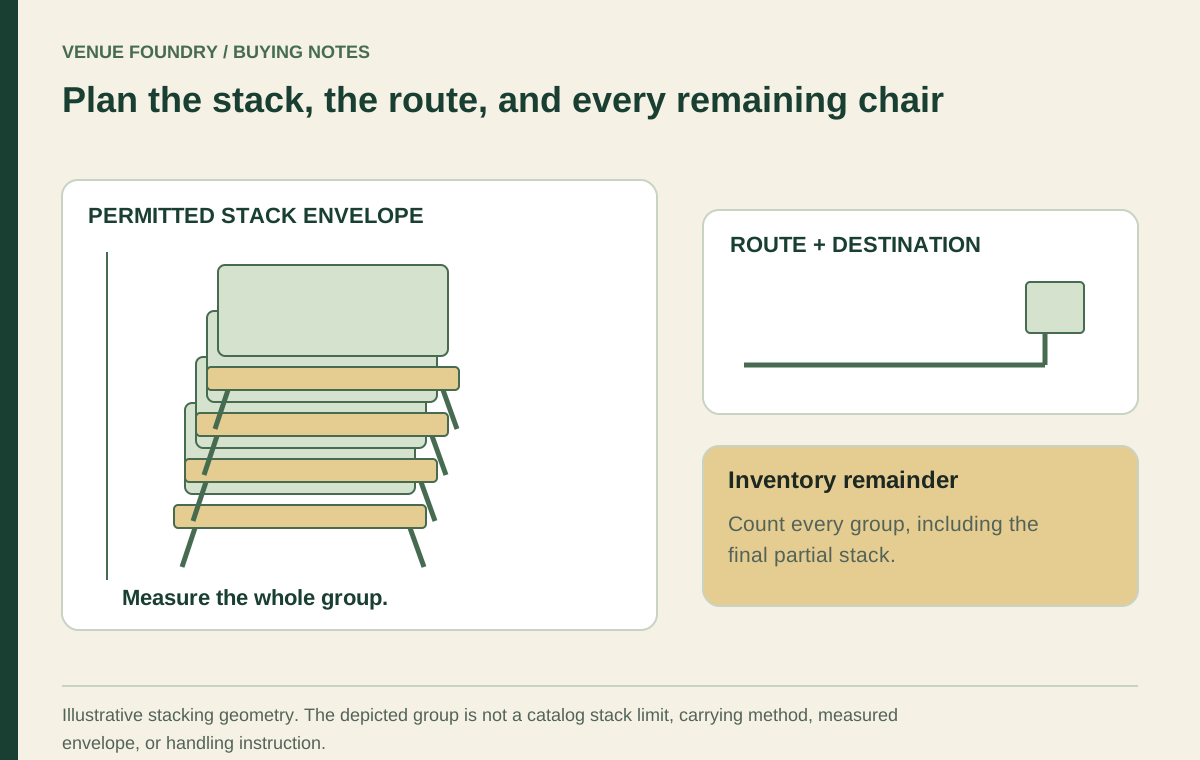
If stacking is part of the plan, confirm the instructions for the exact model and configuration. A stacking field does not supply every limit or handling detail. The stacking-chair worksheet separates the count, storage dimensions, and approved movement method.
Ask for the relevant care and storage instructions before adding covers, cushions, or other accessories to the plan. Do not assume those items are included or compatible because they appear in a reference setting. Keep their actual supply scope identifiable.
Price the selected patio, then list the open costs
Use the budget planner to group the configured products into the patio zone. Save the chosen dimensions and finishes, and use quantities from the reviewed arrangement. A single outdoor seating count should not obscure the separate chair, stool, table, and component lines.
Keep unresolved amounts outside the furniture subtotal. Receiving, storage equipment, site work, and other project costs need their own confirmed scope. A provisional allowance can be recorded as the venue's assumption, but it should not be presented as a supplied product price.
Before comparing two patio schemes, review these points:
- Both use products with a documented classification appropriate to the proposed setting.
- The material names and selected options describe the actual versions.
- Storage, exposure, and site questions remain visible rather than hidden inside the total.
Leave the next seasonal review a useful record
Save the accepted schedule with its dated product references and operating assumptions. Read the delivery guide when documenting the actual receiving route. Recheck those details when the site changes or a later order is prepared, rather than relying on the first patio purchase indefinitely.
The patio selection is strongest when appearance and evidence travel together. The palette can establish a distinct place to dine, while the records explain each product's stated use, selected version, and remaining questions. That gives the budget a practical foundation without making weather-performance promises the available information cannot support.