The project notebook
Restaurant tables: bring the top, base, and seating into one decision
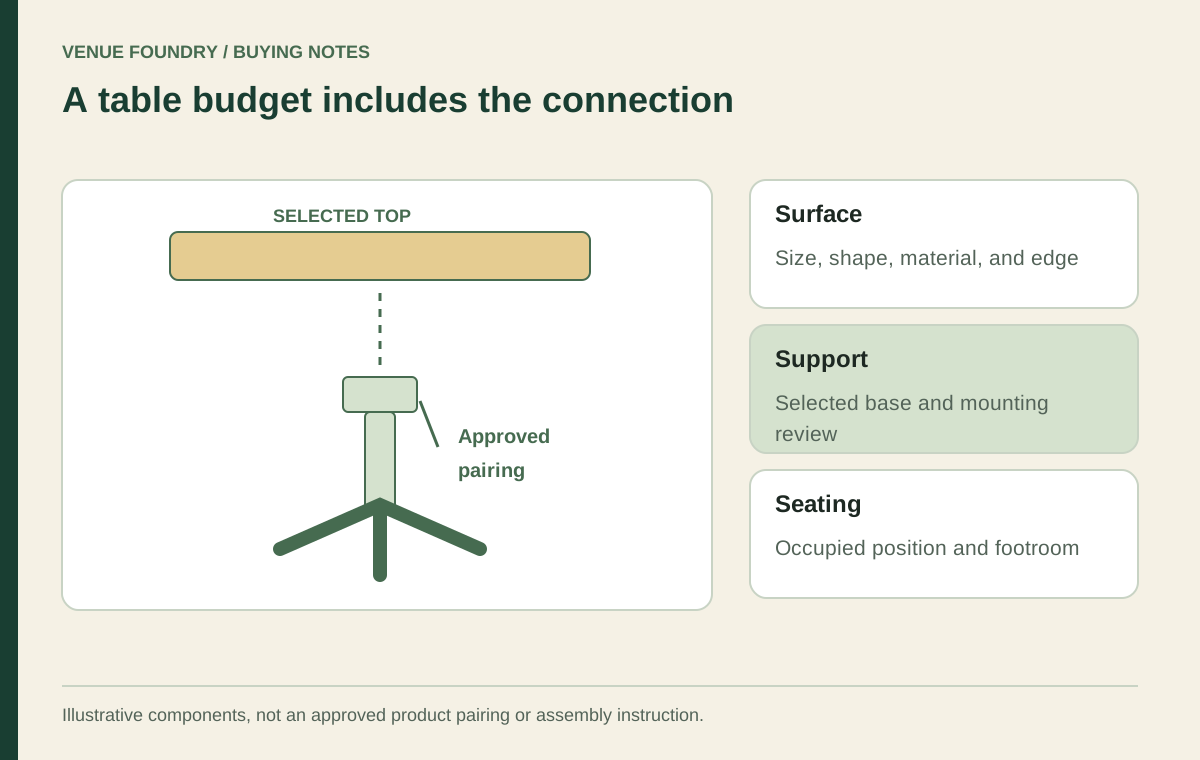
A restaurant table is a working combination of surface, support, and the seating around it. Buying those elements from separate listings can be useful, but it also creates separate decisions. The cost sheet should show which pieces are included and which connections still need confirmation.
Start with the intended meal setting and the selected dimensions. Then compare complete tables with separately offered tops and bases. A lower headline amount may describe only one component, while another listing may include more of the assembly. Reading that scope first makes the design and the price comparison much clearer.
Open diagram at full size (new tab) ↗
Decide what the tabletop needs to accommodate
Lay out the actual serving pieces, individual settings, and any shared items relevant to the venue. A pizza service may need a different arrangement from a coffee-and-pastry setting. Use the menu's real equipment to define the question rather than assuming one tabletop size serves every concept equally.
Browse restaurant tables for complete products and tabletops for separate surface choices. Read the offered size controls and the listed dimensions. A category image can suggest a shape, but the selected size determines the version entering the budget.
Keep the proposed party mix beside the tabletop review. A table used for one group and several smaller tables joined for that group create different reset and storage questions. The comparison should describe the actual arrangement before it assigns a furniture total.
Read what the listing includes
The October 17, 2026 record for table FRU-BZAT-MTWD-BAR-BL states that a base is included. It lists a solid-wood top, a steel base, and a 42-inch bar height. Its offered table-size choices include round and square forms. That is a complete-table selection with size decisions still to make.
By contrast, the FRU-ERAT-ELM top is a tabletop record with its own offered sizes. The dated specifications identify solid wood and a thickness of 1 1/8 inches. A separate base selection must not be silently treated as included in that top's amount.
These examples show why the product record matters more than a broad category label. Before adding quantities, identify the selling unit and included components. Retain the exact chosen size so a reviewer can reproduce the selected amount.
Choose the support through an approved pairing
Open table bases and compare the actual offered versions. Base footprint, height, mounting arrangement, and the selected top are connected questions. A similar finish or a broad material match does not establish compatibility.
For a concrete record, base FRU-ALM01-SIF-30 lists a 28-inch height and offers a 22-inch by 22-inch option or a two-prong double-base option in the October snapshot. Those fields identify choices. They do not approve either option for every top in the catalog.
Ask for the pairing information needed for the exact top and base under consideration. Keep unresolved mounting or support questions beside the proposed combination. Do not improvise a structural approval from the base's appearance or a simple width comparison.
Identify whether mounting information refers to the selected top size or to a different example. An approval for one configuration should not be carried across the entire size menu without confirmation. Keep the reviewed combination named in the schedule so a later size change is easy to detect.
Review the space beneath the surface
The seated position includes the tabletop edge, underside features, base, and chair. Review them together. An armchair may raise one clearance question, while a wider base footprint may raise another around where guests place their feet.
Use restaurant chairs or bar stools at the intended height, then examine the actual relationship. The armchair fit guide shows why overall furniture dimensions and the space used by a guest are separate parts of the review.
An appropriate sample session can help answer a remaining fit question. Record the complete pairing and the observations from that setup. Do not present a successful mockup as a general load test or as approval of the whole dining-room layout.
Compare materials by the actual selected product
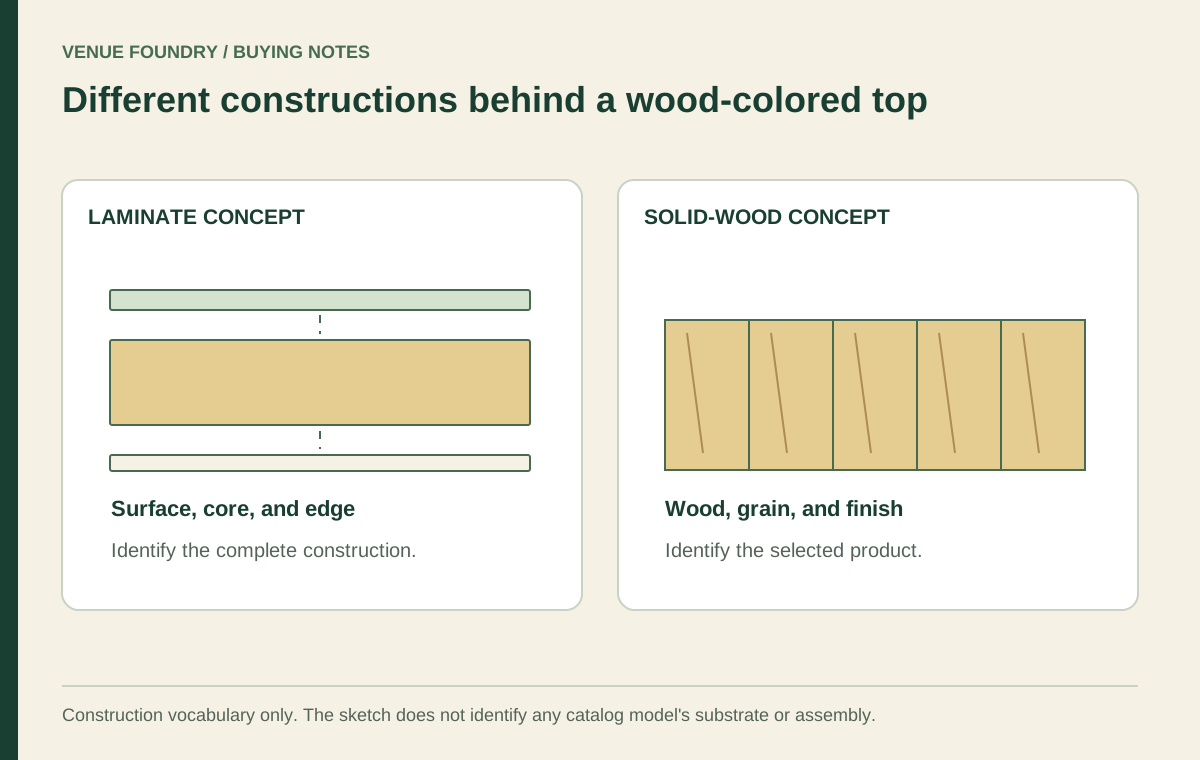
Wood, laminate, resin, and other surface descriptions can help organize a shortlist. The buying decision still needs the exact construction, finish, use classification, and care information. A broad material name is not a complete maintenance specification.
Keep the edge treatment and surface appearance in the visual review. A substantial edge can change the perceived weight of the table, while a lighter-looking outline can leave more of the chair visible. Those are design observations to evaluate with the room palette, not evidence of structural performance.
Consult materials guidance when reviewing the selected references and care questions. Where matching existing furniture matters, a physical approval may be needed. The digital image and its label support selection, but they should not silently replace that separate decision.
Reconcile the component count before calculating the room
Create a complete-table line when the product is supplied as one selected unit. For separately sold parts, keep the top and base records identifiable and note the intended pairing. Confirm whether the specified assembly requires additional included or separately supplied components.
The budget planner can group these choices by room. Review the group for omissions before accepting its subtotal. A row of tabletop quantities can look like a full table schedule even when the supporting pieces have not yet been selected.
Check these three items together:
- The chosen tabletop dimensions and intended service setting.
- The included parts or separately identified approved components.
- The quantity, selling unit, and current configured amount for every line.
Keep delivery and other unconfirmed charges separate. A component total should not imply that receiving, assembly, or placement has already been settled.
Carry the complete combination into the order
Compare the saved schedule with the basket, including the selected sizes and component quantities. Follow the ordering steps only after the current product review is ready. If one element changes, check the pairing again before preserving the old approval.
The strongest table budget describes a working combination. It connects the meal setting to the surface, the surface to its approved support, and the whole assembly to the selected seating. That record makes the cost understandable without asking the next person to reconstruct the missing pieces.