The project notebook
Commercial bar stools: build the selection around the counter you have
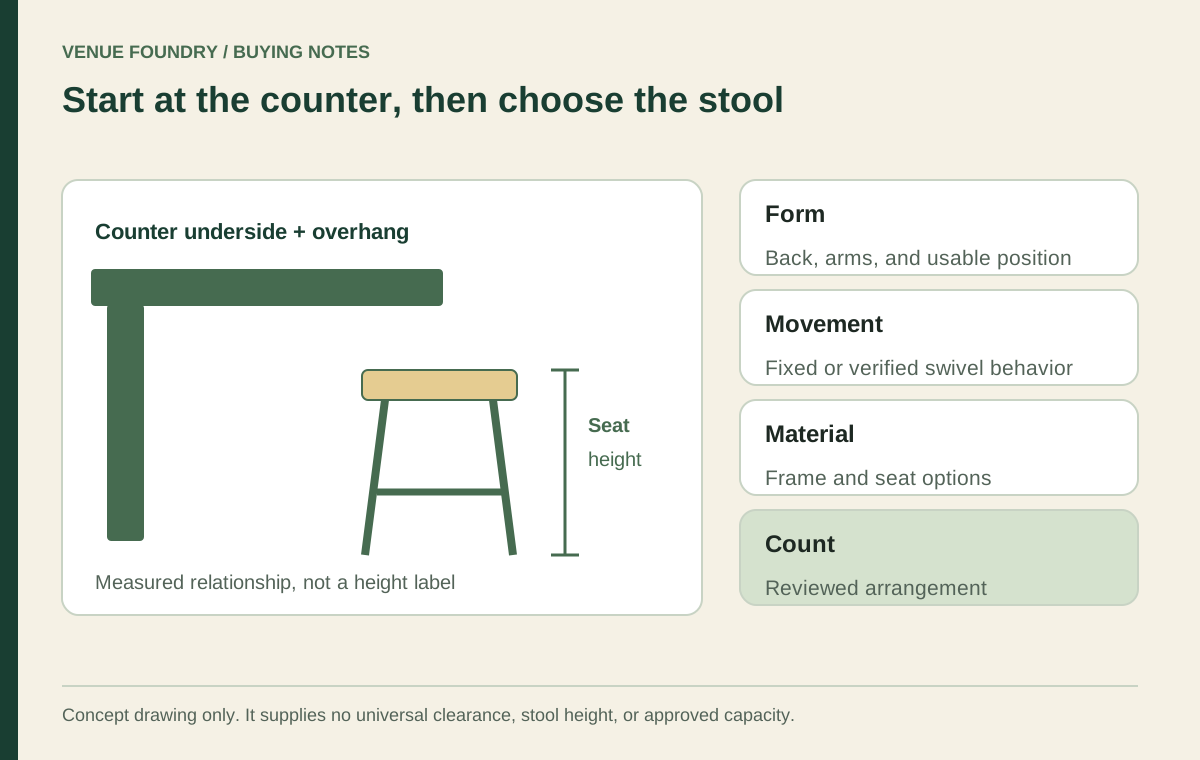
The counter is the starting point for a commercial bar stool decision. Its working height, underside, overhang, and surrounding route describe the setting the stool has to serve. A familiar label such as bar height is useful for browsing, but the actual measurements belong in the purchase brief.
From there, compare the seat form, back, movement, and offered materials. Each affects a different part of the experience. Keeping those choices visible also makes the budget easier to understand, because the amount on a saved line describes a specific stool configuration rather than a general style preference.
Open diagram at full size (new tab) ↗
Record the counter before selecting a seat
Measure the counter at the positions intended for guests. Record the surface height and the relevant underside features, including an apron or another obstruction. Add the overhang and the location of the supporting structure where they affect the proposed seated position.
Browse commercial bar stools with that record available. Look for the actual seat height on each listing. Overall product height includes the back where one is present, so it answers a different question. Keep a missing seat measurement unresolved rather than substituting the tallest dimension in the record.
For example, the October 17, 2026 snapshot for stool FRU-801-304-BS states a seat height of 30 1/2 inches and an overall height of 48 1/4 inches. Those are two distinct measurements on the same product. Neither establishes suitability for an unmeasured counter.
Choose the seated activity before the back profile
A drinks position, a full meal setting, and a counter used for a longer visit can ask different questions of the stool. Describe the intended activity and the tableware it involves. The brief should reflect the venue's service rather than an assumption about how long every guest will stay.
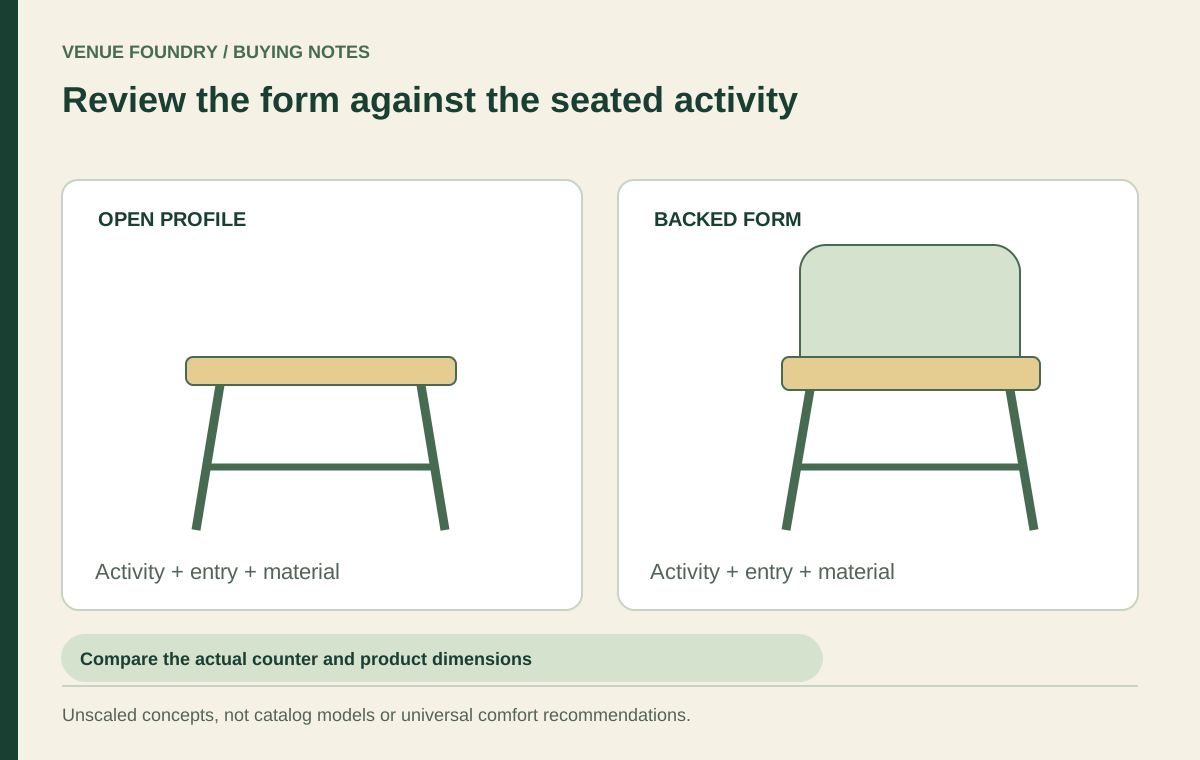
Compare backed and backless forms within that brief. A back is a physical surface behind the sitter; its shape and height still need review. A backless stool leaves the rear profile open, but that does not prove it can be tucked under every counter or that every guest will prefer it.
The back-profile guide develops that comparison. For mixed-height rooms, also review restaurant chairs as their own selection. Shared colors can connect the room without making the lower and taller seating interchangeable.
Separate swivel behavior from the word swivel
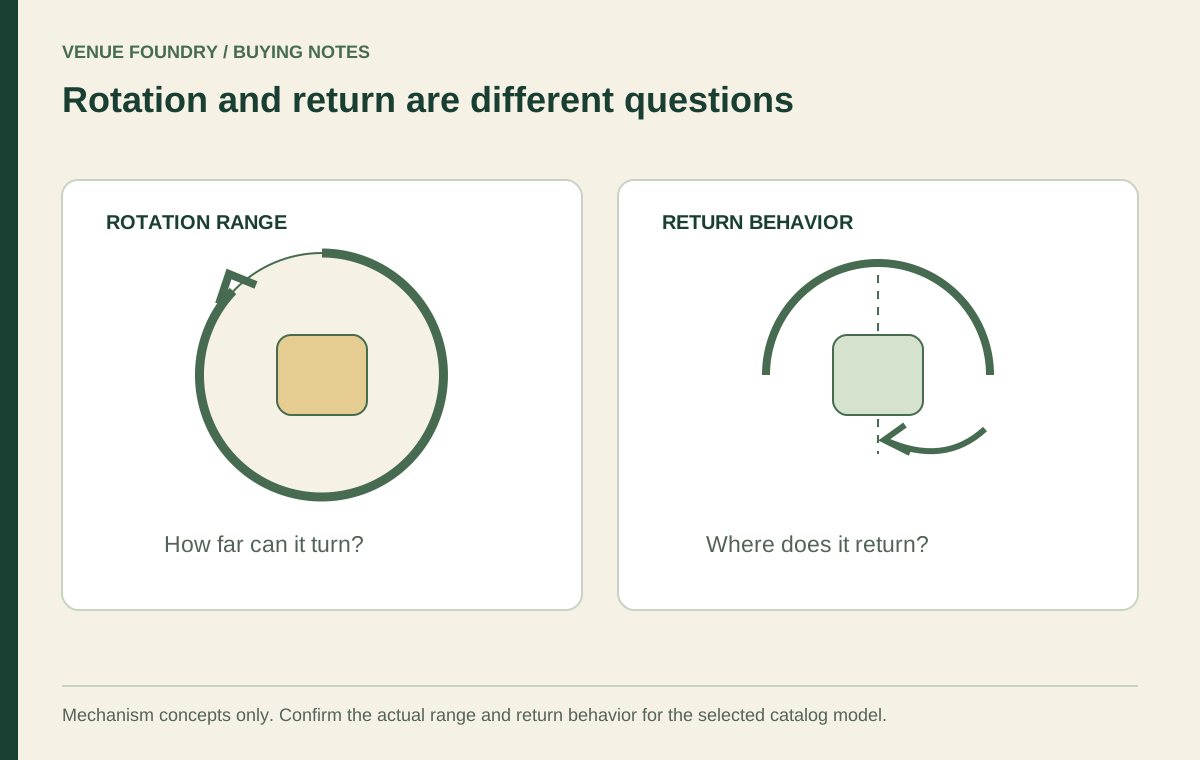
A swivel label identifies a movement feature, but the exact mechanism may need more information. Ask about the permitted rotation, any return behavior, and the instructions that apply to the selected model. A photograph cannot answer those questions.
The swivel specification article distinguishes a rotation range from a return mechanism. Review how the occupied stool enters and leaves the proposed position. A turning back or arm can have a different relationship to the counter and nearby furniture than a stationary outline suggests.
Keep the room's wider circulation review separate. Selecting a movable seat does not establish that the route behind it is acceptable. Use the layout-to-schedule guide to connect the chosen product with the measured plan and its pending approvals.
Read the frame and seat as different choices
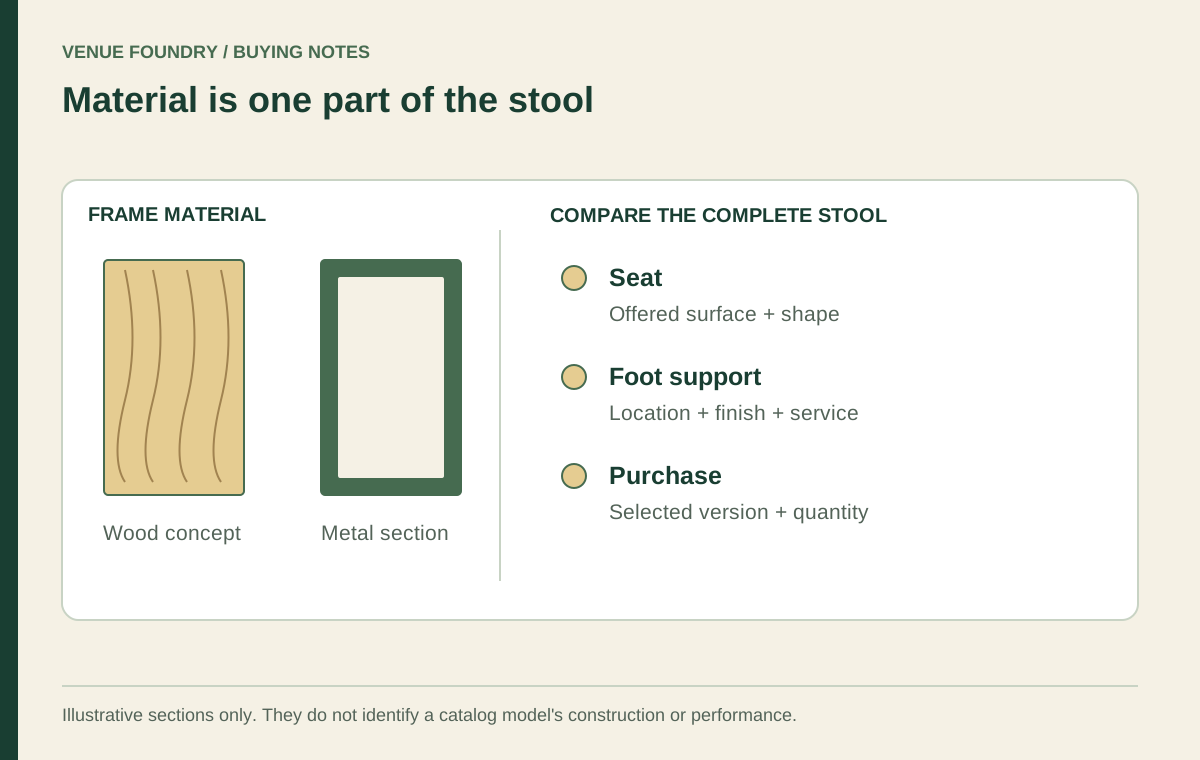
The frame may be metal or wood while the selected seat uses another material. Record both. An upholstery label should not become a claim about the frame, and a frame finish should not be used as shorthand for the whole stool.
In the dated catalog record, stool FRU-10427-BS-SW has a metal frame and offers Wood Seat or Padded Vinyl Seat. The selected branch then has its own color choices. That is a practical reason to complete the controls before comparing this stool with another configured product.
Read the materials guide to understand the distinction between option labels and physical finish approval. Confirm care requirements for the chosen version. Appearance alone does not establish stain resistance, cleaning compatibility, or the availability of a replacement seat.
Give the footrest its own review
Identify the supplied footrest arrangement in the product information and any sample being considered. Its position matters to the seated setup, while its material and attachment raise separate service questions. Do not assume a matching chair family tells you how the taller product is constructed.
An appropriate sample review should include the actual counter relationship. Ask participants to describe the position they used and what remains uncertain. The chair sample method offers a record structure that can also organize a stool session without claiming universal comfort.
Keep requests for missing measurements precise. Seat height, footrest position, and counter underside clearance are different fields. A single note saying check height is less useful than naming the dimension that the reviewer needs.
Price the configured stool and the reviewed count
Complete the offered seat and frame choices, then save the result in the budget planner. Use a room name that identifies the counter or elevated zone. If two seat finishes are planned, retain two configured lines with their own quantities.
The count should come from the reviewed arrangement and its actual place settings. Do not divide the counter length by an invented universal spacing figure and treat the result as an approved capacity. The plan needs to account for the intended use and the project's applicable requirements.
Before comparing candidates, check three records:
- The counter measurements and unanswered fit questions.
- The selected stool, movement feature, and offered material choices.
- The reviewed quantity and current configured amount for that version.
Keep any unconfirmed freight or installation scope outside the furniture subtotal. The delivery guide explains the destination and receiving information to prepare for that later confirmation.
Keep the counter decision visible at handoff
Save the accepted project version and download a fresh sheet. The next reviewer should be able to identify which counter receives each stool configuration and which measurement informed the decision. If the counter or stool changes, revisit the affected fit question rather than inheriting an older approval.
Review the current selections in the basket and follow how to order. A clear stool purchase connects a measured counter, a defined seated activity, and an identified product version. The budget then records a decision the team can explain, rather than a quantity attached to a height label.