The project notebook
Pop-up restaurant furniture: keep the repeat inventory separate from each venue
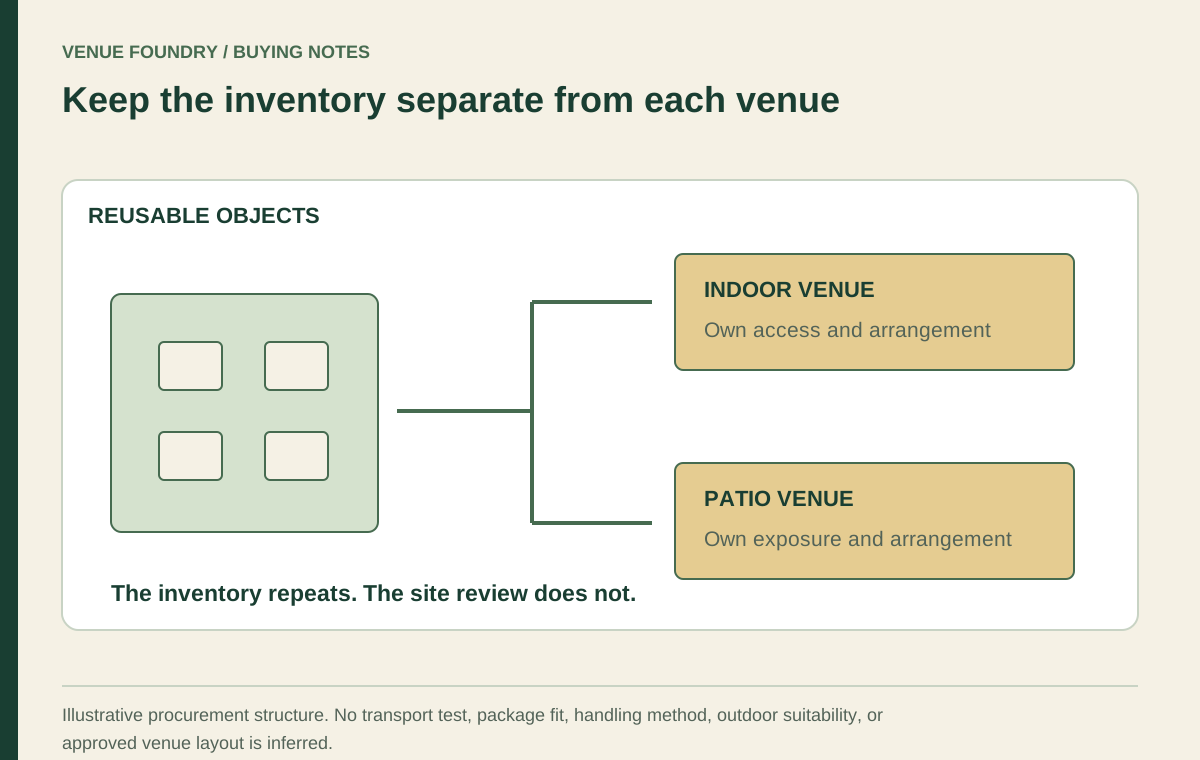
A repeat pop-up furniture inventory travels between locations, but its suitability does not travel automatically with it. Each venue has different access, boundaries, surfaces, and operating requirements. The purchasing brief should separate the reusable objects from the site-specific arrangement that gives them a place.
Choose the inventory with transport, permitted assembly, storage, and replacement information in view. This guide is a planning framework for commercial dining use. It does not report a transport trial, approve a handling method, or claim that one portable setup fits every venue.
Open diagram at full size (new tab) ↗
Define the repeatable service before the furniture count
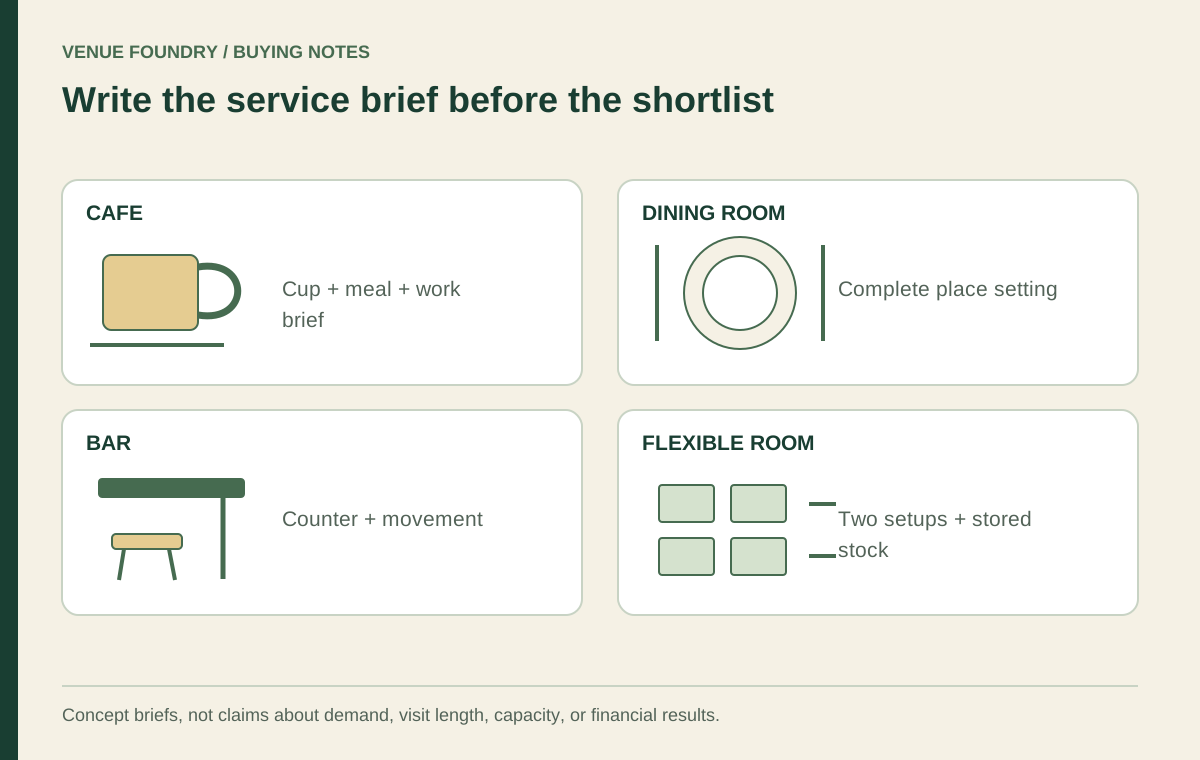
Identify the menu objects, serving style, and intended seating formats that remain consistent across locations. Those are the useful starting points for a repeat inventory. A vague goal of flexible furniture can otherwise produce pieces that move easily but do not support the actual meal.
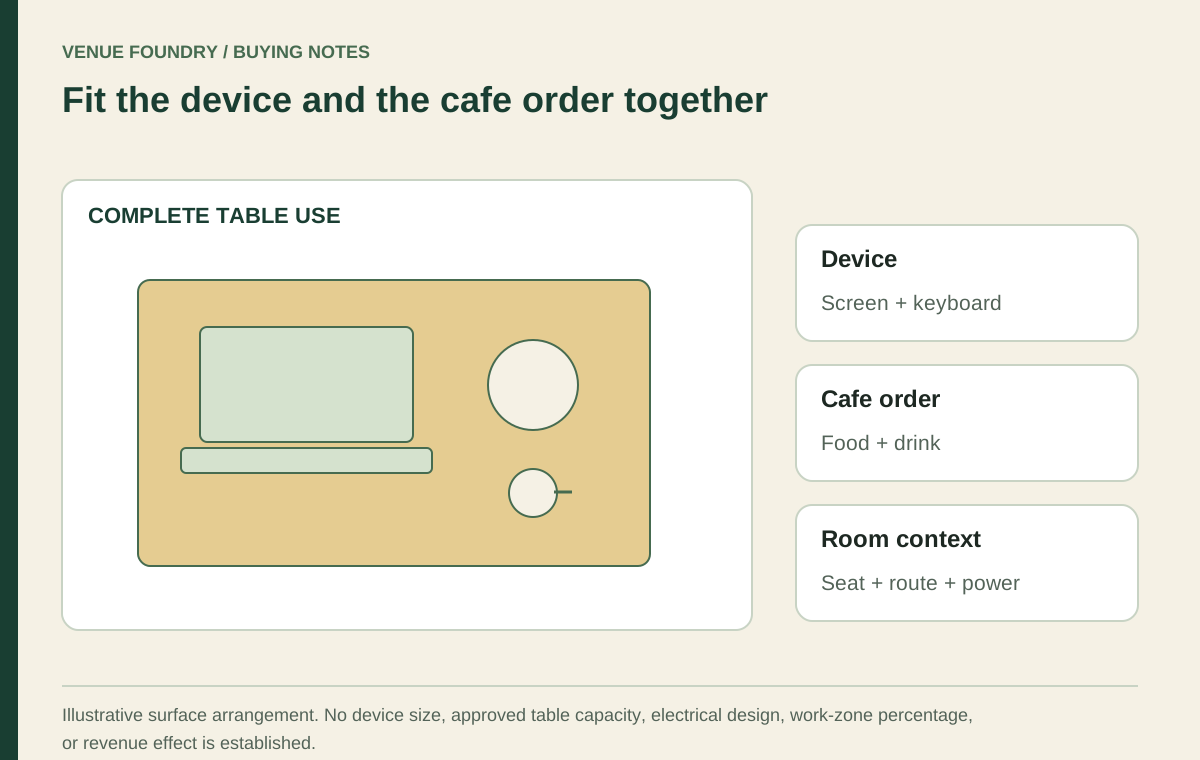
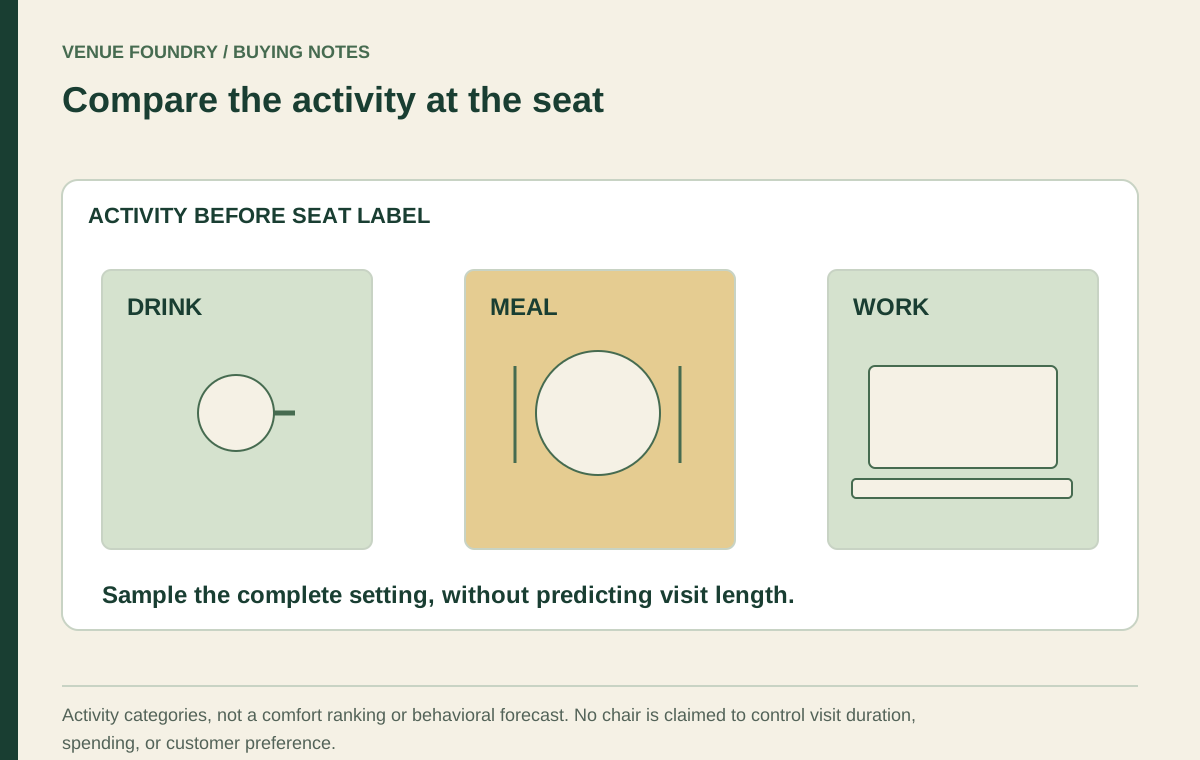
The complete-setting mockup can examine the chosen chair, table, support, and meal together before quantities are repeated. Keep the accepted configuration identified so a later substitute does not silently change the setting.
The reusable inventory should describe actual objects, while each event or venue plan describes where they go. A count of 24 chairs can be accurate without proving that every venue can use all 24. The site-specific arrangement remains a separate review.
Obtain packed information rather than infer it
Product width and depth describe the furniture in its stated form. They do not identify carton dimensions, packaging volume, or the shape of an accepted transport group. Obtain the actual packing information before choosing a vehicle or promising that the inventory will fit through a route.
The freight-scope article distinguishes product data from the transport brief. A table sold with separate components may have more than one package. The packing list should identify those pieces and their relationship to the finished assembly.
Do not assume that a chair can be nested, a table dismantled, or a top removed solely to make transport easier. Those actions depend on the product's instructions and accepted handling method. The repeat-use plan should be built around documented capabilities.
Treat stacking and folding as specific features
Stackable seating needs documented limits, group dimensions, and handling information. A stack that fits in storage is not automatically an approved carrying group. The movement method and destination both matter.
The October 17, 2026 FRU-402-ECO record listed a Stackable field marked "Yes", a 5-pound individual weight, and Indoor, Patio use. It described an aluminum frame with a Plastic Teak seat. Those fields do not supply a stack limit, vehicle packing plan, or transport-durability result.
Folding tables introduce another product-specific state. Confirm the closed dimensions, locking or support instructions, and permitted movement for the selected model. A folding category label should not become an improvised assembly procedure.
Compare two venues without pretending they are interchangeable
For an illustrative comparison, imagine an indoor rectangular dining room and a covered patio with a different entry location. The first proposal might arrange separate tables along a central route, while the second places them around an accepted patio transition. These are conceptual alternatives, not measured or approved layouts.
The indoor arrangement needs its own furniture and route review. The patio requires suitable use designations and the actual exposure brief. A roof overhead does not by itself turn an outdoor location into the same environment as an enclosed dining room.
The patio material guide helps distinguish complete assemblies and conditions. The actual-dimensions article explains how to place the selected objects into each venue plan without relying on one generic furniture symbol.
Build a component inventory for every setup
Count complete products and separately packed parts on their stated selling basis. A tabletop, base, and approved hardware set may travel separately while forming one table. Losing track of one component can make the complete setting unavailable even if the largest pieces are present.
The receiving-record guide provides a useful reconciliation method. Adapt it to the repeated inventory, identifying what arrives, what remains in storage, and what is unavailable pending review. The record should describe observed quantities rather than assume the previous count is still current.
Keep compatible spare parts separate from complete replacements. The spare-parts article explains why part identity matters. A visually similar fastener or foot should not be substituted without the relevant product acceptance.
Plan the return and condition review
The operating plan should include what happens after the service ends. Identify the permitted packing state, the return route, and the destination of the complete inventory. A successful arrival does not establish that the reverse movement can occur under the same conditions.
Use the selected product instructions and appropriate condition review before the next use. Record specific concerns and keep unresolved items separate from ready inventory. Do not create an improvised physical test or return a questionable item to use merely because the next event needs the quantity.
The patio reopening guide makes a useful distinction between owned and ready furniture. The same inventory logic applies indoors, although the relevant conditions and product instructions may differ.
Price repeat stock and venue-specific additions separately
In the budget planner, count the reusable inventory once. Separate any venue-specific furniture, accepted handling equipment, storage scope, and unresolved transport charges. Repeated use does not justify an invented payback period or guaranteed savings without the actual costs and service history.
Before ordering, identify the repeat meal setting, exact configurations, packed information, permitted handling, component inventory, two site arrangements, and condition-review process. The comparison should show what is reusable and what must be reviewed again for each location.
Repeat the inventory while reviewing every location
A sound pop-up purchase is a clearly specified set of commercial furniture with documented movement and component information. Its repeat value comes from being identifiable and manageable, while every venue receives its own accepted arrangement and operating review.
Use contact for missing packing, assembly, or part information before final selection. Keep the inventory record separate from each venue plan so neither is mistaken for the other. The furniture can be reused without pretending that the next room has the same conditions as the last one.