The project notebook
Restaurant patio furniture after a season: turn observations into a reopening list
Reopening a patio is an opportunity to compare the furniture actually in storage with the arrangement the restaurant intends to use. Some pieces may be ready after the appropriate care routine, while others may need assessment, an approved component, or replacement. Repeating last season's order quantities without that review can miss both shortages and unnecessary purchases.
Start with a physical inventory and the current operating plan. The condition of a chair and the need for that chair are separate questions. A piece may remain usable while no longer fitting the proposed layout, or it may still belong in the plan but require attention before use.
Open diagram at full size (new tab) ↗
Reconcile the stored pieces with the intended arrangement
Count each model and configuration separately. Similar-looking chairs may differ in seat material, frame finish, height, or use designation. Keep tables, supports, umbrellas, and accessories in the same inventory review rather than treating seating as the whole patio.
Identify where each type belongs on the actual patio drawing, with the planning guide informing the room-level review. If the table mix or service route has changed, the required quantities may differ from the previous season. The small-patio layout discussion explains why a furniture count should follow the intended use.
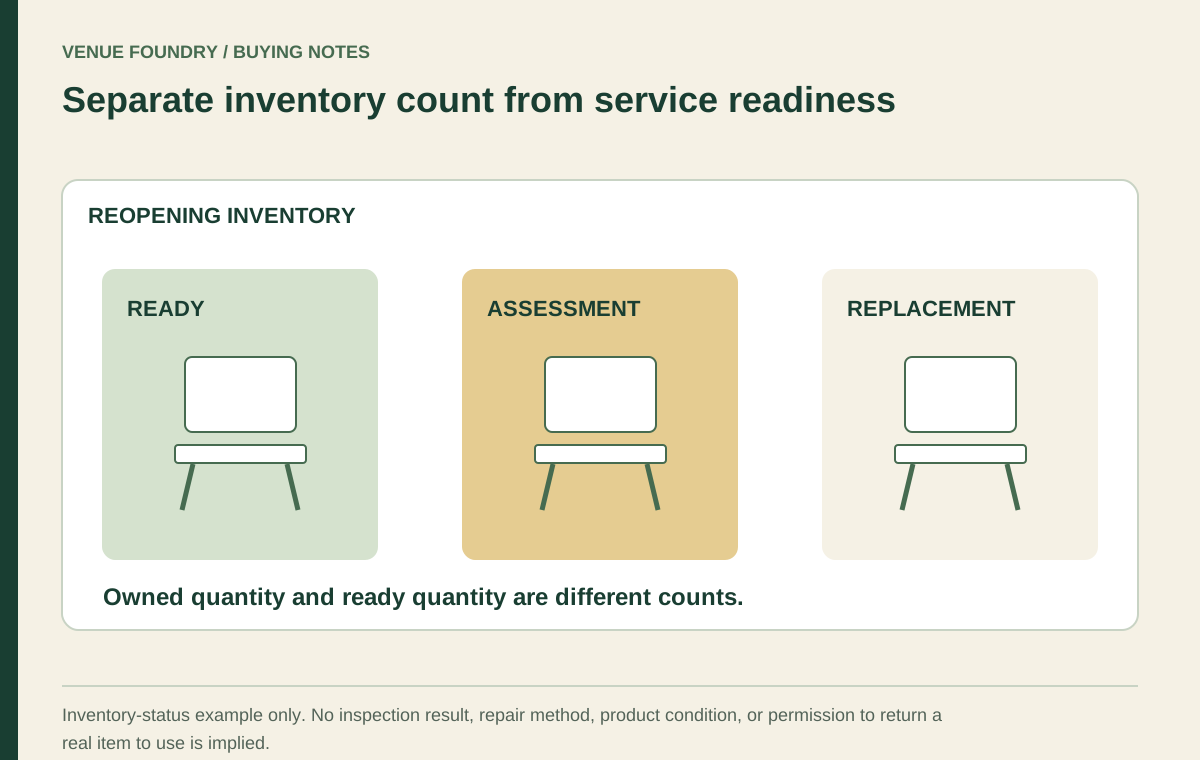
For a simple inventory example, a plan may call for 24 chairs while the storage count finds 22 matching items. That identifies a two-item difference before condition is considered. If two of the 22 require assessment, the immediately available count is a separate question from the total owned inventory. These are invented counts illustrating the method, not a recommended reserve.
Distinguish dirt from a condition needing assessment
Review the furniture under suitable light after following the relevant care instructions where appropriate. Surface dirt, a damaged coating, a crack, a loose component, and a missing foot are different observations. They should not all be recorded as needs cleaning.
Describe what is visible and where it occurs without diagnosing hidden causes from a photograph. If a condition may affect continued use, keep the item out of service pending appropriate assessment. Do not attempt an improvised load test or an unapproved repair to decide whether it is acceptable.
Grosfillex's seasonal care guidance includes checking its furniture for visible damage and identifying repair or replacement needs before the next opening. That is a useful manufacturer example of reopening review as a distinct task. The exact criteria and response must still follow the selected product's information and appropriate professional advice.
Review the contact points and attached components
Chair glides, table feet, and attached hardware can be overlooked when the large surfaces look presentable. Check the actual product against its supplied information. A missing or damaged component should not be replaced by a visually similar part without compatibility evidence.
The chair glide guide separates contact material from attachment type. That distinction is useful during reopening: a felt-looking contact surface does not establish how a replacement attaches or whether it is approved for the retained chair.
For tables, the ground-contact discussion identifies the difference between the support's condition and the surface on which it stands. A table that worked at one patio position last season may meet different conditions in a revised arrangement.
Keep mixed materials connected to the correct care information
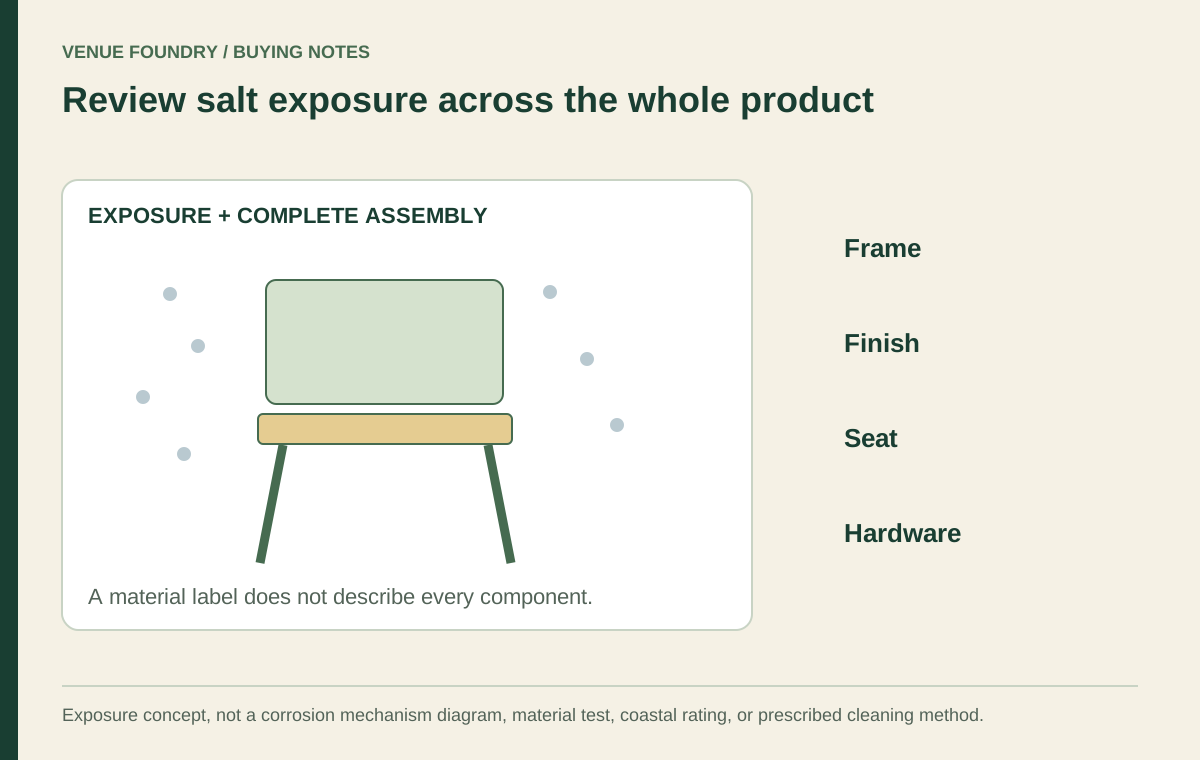
The October 17, 2026 FRU-402-ECO record identified an aluminum frame and Plastic Teak seat. Its component description does not authorize a natural-wood oiling routine. The care method should address the actual finished assembly.
The FRU-110-OD listing identified a steel patio chair with specific color choices. Review the relevant finish and component instructions for that model rather than applying a method carried over from a different material.
Consult the materials guide before reviewing the current instructions for each identified product. If the original care information cannot be found, obtain the appropriate guidance before applying a new chemical or abrasive treatment. The reopening deadline should not turn an uncertain material assumption into a routine.
Reassess the storage experience
The way furniture was stored can reveal practical issues in the original plan. A group may have been difficult to retrieve, cushions may have lacked a suitable destination, or the route may have required more handling than expected. Use those observations to improve the next closing routine.
The stackable patio article distinguishes the approved group from its storage envelope and route. Reopening is a useful time to compare the proposed plan with the restaurant's actual experience. Keep the observations specific rather than converting one season into a universal claim about the material.
Do not resume an undocumented stacking or disassembly method merely because it was used once without an obvious incident. The product's accepted instructions should still govern the arrangement. Any uncertainty should be resolved before the routine is repeated.
Review shade equipment as its own inventory
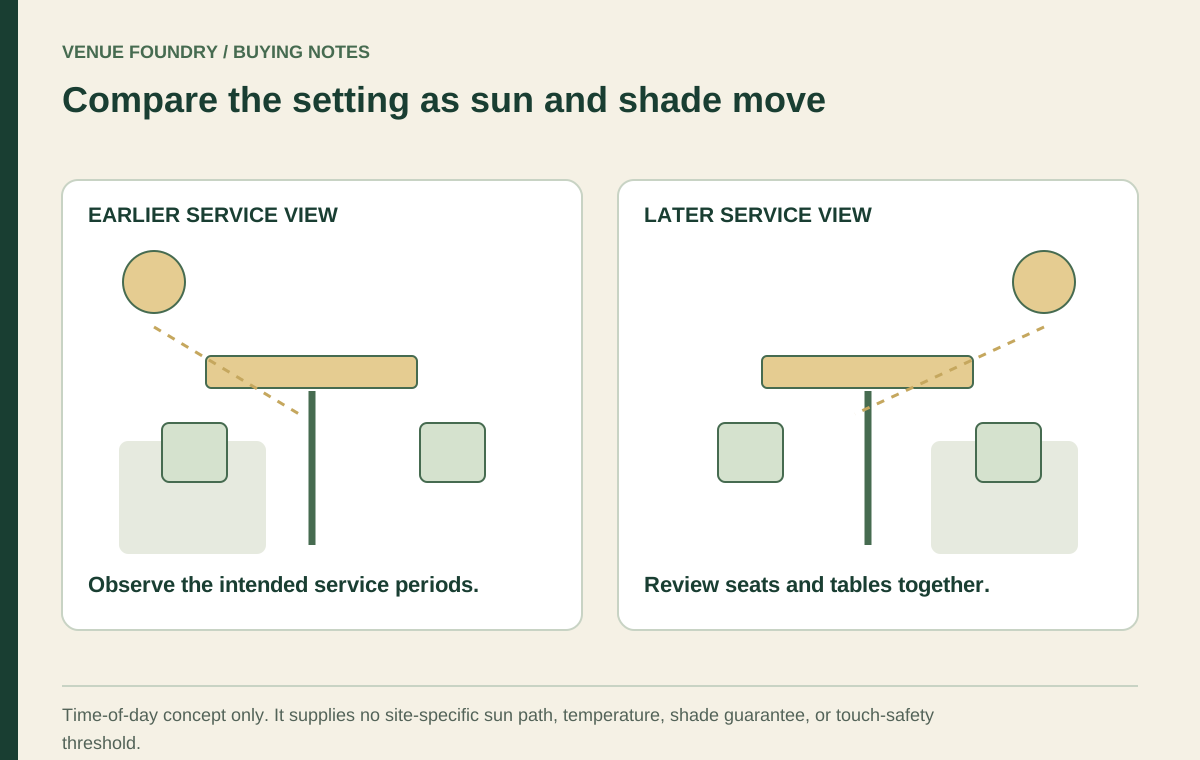
Umbrellas, support bases, and any associated components need a separate condition and completeness review. A canopy that looks presentable does not establish the condition of the mechanism or the completeness of the support arrangement. Follow the exact equipment's inspection and operating guidance.
The table-and-umbrella planning article explains why those products must be coordinated. If a table or umbrella has changed since the previous season, review the new pairing instead of assuming the old base or opening remains appropriate.
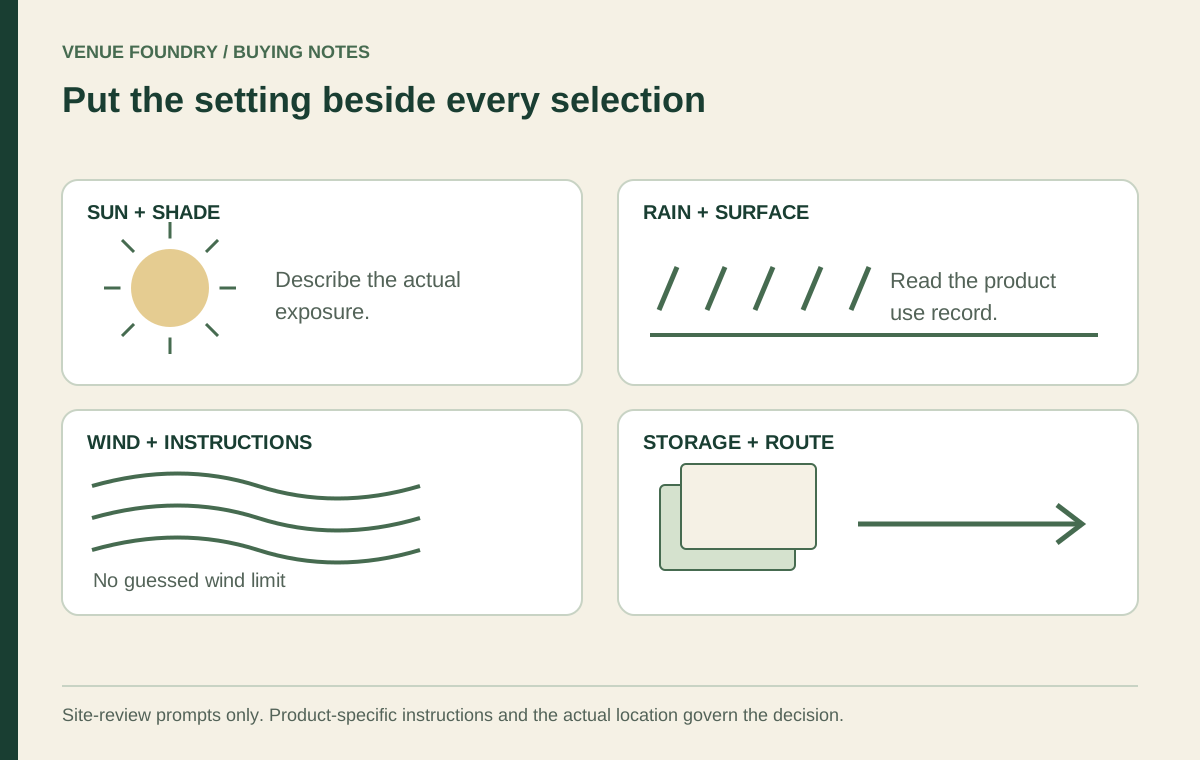
The wind-plan discussion also belongs in the reopening brief. Staff responsibilities and the destination for equipment when conditions change should be clear before the patio opens, especially where the operating team or layout has changed.
Build the purchase list from the reviewed outcomes
Separate the inventory into items ready for the intended use, items awaiting assessment or accepted work, and items selected for replacement. These are workflow categories, not a substitute for the relevant condition judgment. Keep unresolved items visible so the purchasing list does not assume they will all return on time.
Use the budget planner for the current selected replacements and additions. Recheck model availability, finishes, and displayed prices. An old saved line is useful history, but it does not guarantee that the same configuration and amount remain available.
The final list should identify:
- The furniture required by the current patio arrangement.
- The actual count and identity of retained items.
- Observed conditions requiring assessment or approved components.
- Current replacement selections and quantities.
- Changes to care, storage, or operating procedures.
Reopen with an inventory the team understands
A useful reopening review connects condition, quantity, and intended use. It avoids buying replacements for pieces that only need an accepted care routine, while keeping unresolved or unsuitable items out of the operating count. The result is a clearer purchasing list and a more realistic patio plan.
Use contact for missing product or component information before completing the replacements. Retain the accepted outcomes with the project. The next season then starts with a furniture inventory that reflects the actual room, the actual products, and the work that has genuinely been completed.