The project notebook
Restaurant furniture delivery inspection: prepare an identifiable receiving record
Restaurant furniture delivery inspection begins with knowing exactly what the receiving team expects to see. The model, selected finishes, quantities, and applicable shipment information should be available before arrival. A delivery can contain the right number of packages while still leaving a configuration or component question unresolved.
Prepare a receiving record that distinguishes what was expected, what was observed, and what needs a response. Keep the process tied to the actual shipment instructions and commercial terms. The goal is a clear handoff and useful evidence, rather than a generic checklist that promises a particular claim outcome.
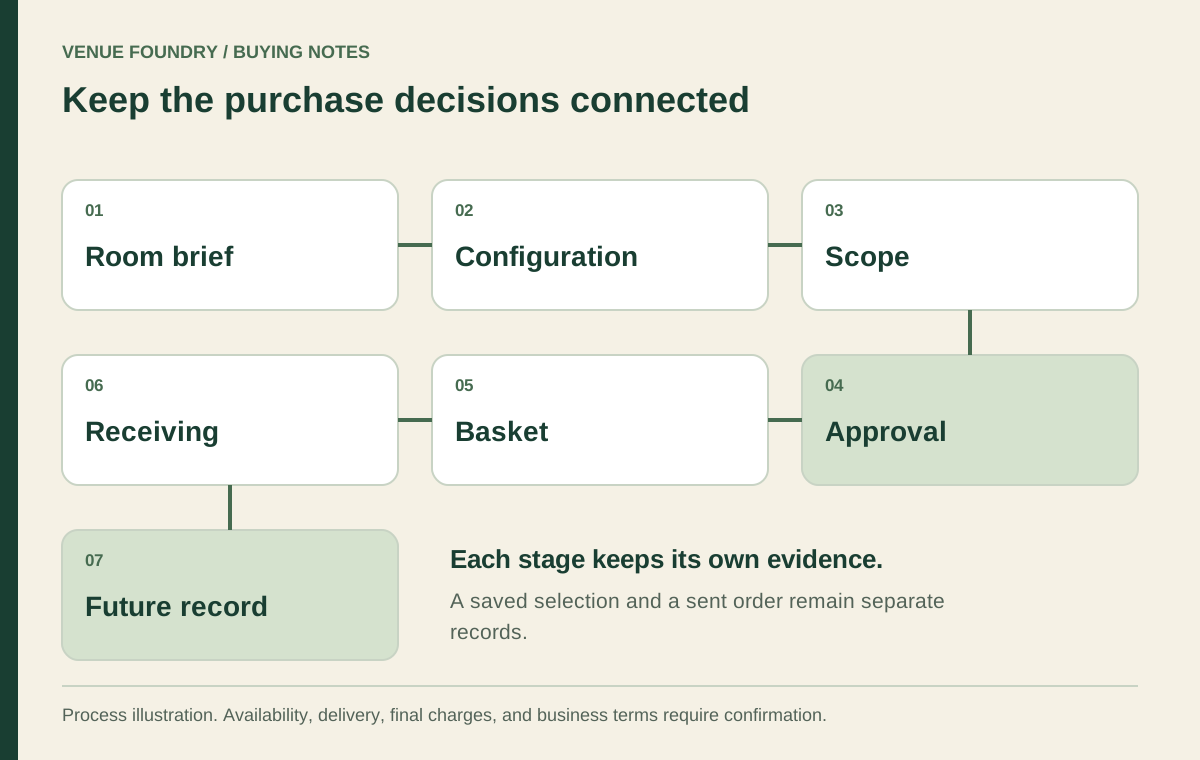
Open diagram at full size (new tab) ↗
Give the receiving team the current accepted scope
Start with the confirmed order and the relevant product selections. Retain the room assignments where they help identify different configurations. An early planning sheet may contain alternatives or quantities that changed before the order was accepted.
The project checklist helps organize the selection, while how ordering works explains the separate ordering process. Keep the accepted scope distinguishable from a later exploratory edit to the saved project.
Include the exact selected options for restaurant chairs and bar stools. A shared model name can still cover different seats or finishes. The receiving record should make the expected configuration understandable without asking the team to reconstruct the design decision.
Confirm access and responsibility before the arrival
Identify where the shipment is expected to arrive and who is responsible for each part of the agreed service. Keep the receiving contact and any site access instructions in the appropriate operational record. The furniture schedule can reference that record without carrying unnecessary private details.
Use delivery planning to resolve the service scope. Unloading, inside movement, unpacking, assembly, and final placement should not be assumed to mean the same thing. Obtain the actual arrangement from the responsible parties before allocating the work to the on-site team.
Review the route and temporary receiving location with the people carrying out the work. This guide does not prescribe lifting, stacking, or unpacking methods. Those tasks need the applicable product information and the responsible team's handling plan.
Keep package counts distinct from furniture counts
Match the actual package references to the shipping documents where available. Record the observed count and any identifiable discrepancy. Do not treat every carton as a complete piece of furniture when the order contains separately packaged components.
For table tops and table bases, preserve the intended pairing and expected quantities. A receiving area can hold both types of component while still lacking the parts needed for a particular complete arrangement.
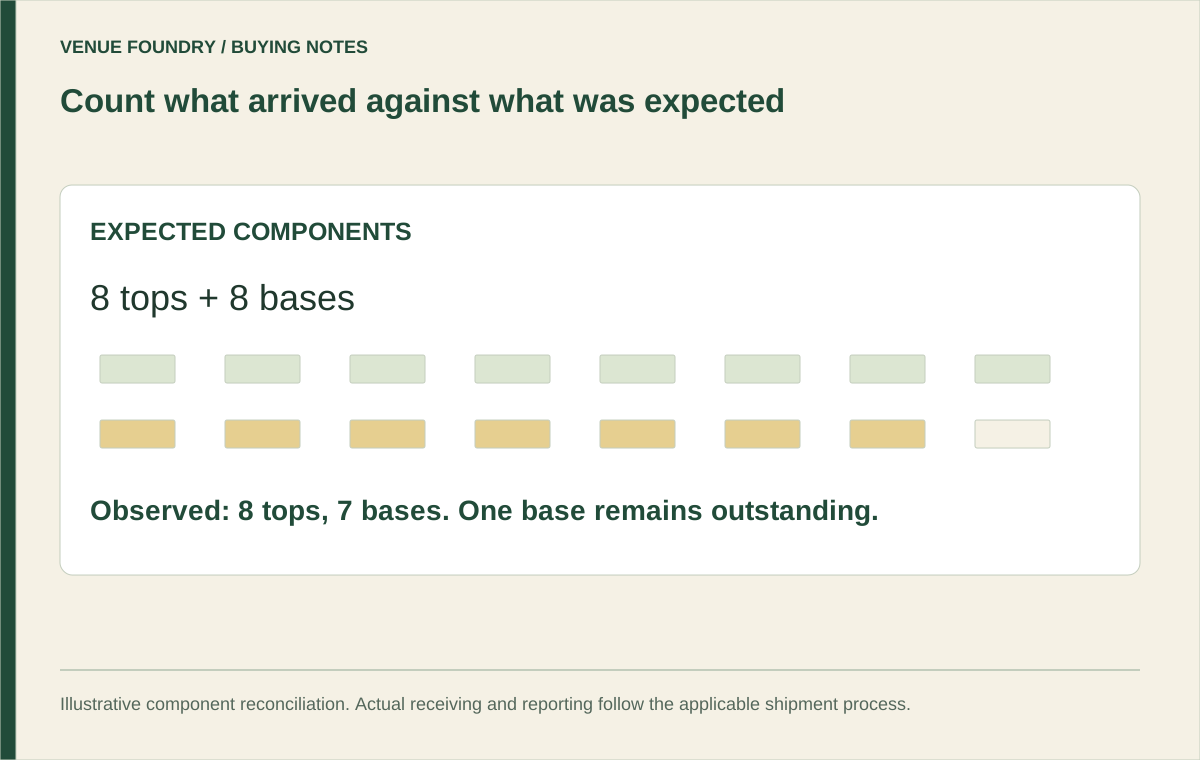
Consider an invented example with eight expected table tops and eight expected bases. If eight tops and seven bases are identified, the record should show one base outstanding. It should not show 15 complete tables or declare eight arrangements ready. The example explains counting, not a particular supplier's packing method.
Document observations with identifiable images
Connect each relevant photograph to the item or package it describes. Include an overall view that establishes identity and a detail view that shows the specific observation. Keep the original files and the related shipment references together in the project's approved record system.
FedEx's claims guidance, for example, identifies packaging and damaged-contents images as possible supporting documents and asks customers to retain packaging and contents until a claim is resolved. Those are carrier-specific instructions illustrating why the applicable process should be checked. They do not establish the carrier or claim terms for an order placed here.
Describe what is visible without assigning a cause from a photograph alone. A mark, missing component, or mismatched label can be recorded precisely while the responsible source reviews the explanation. Avoid turning a receiving note into an unsupported diagnosis.
For example, an observation might identify a particular carton reference, the item found inside, and a visible mark on the outside of its left rear leg. That description is an invented documentation example. It is more useful than writing damaged chairs against the whole delivery because the reviewer can locate the exact item and the area that needs attention. Keep any later explanation or accepted action as a separate dated response, preserving the original observation.
Compare the selected finish using the right references
Keep the selected option labels available during the review, and consult the materials guide when interpreting their visual references. A verified finish thumbnail can support identification, but screen appearance alone does not establish an exact physical color match under the receiving area's lighting.
Where an approved physical sample was part of the decision, identify it in the supporting record. Compare the actual item with the applicable reference through the agreed review process. Do not silently substitute another configuration because it seems close enough when the selected option is uncertain.
For booth units, retain any orientation and unit-type information needed to identify the delivered furniture. A room drawing and a package label may describe different aspects of the same unit, so the record should explain their relationship rather than rely on appearance alone.
Track unresolved items without treating them as replacements
Give each discrepancy a specific question, item reference, and responsible follow-up role. Record the response and current status when it arrives. A general note saying delivery problem is difficult to act on and does not explain which part of the opening scope is affected.
Keep a missing or unconfirmed item separate from a new purchasing decision. Adding a replacement to the basket before the original discrepancy is resolved can create another order without settling the first. Follow the actual process and retain confirmation of the accepted remedy or next step.
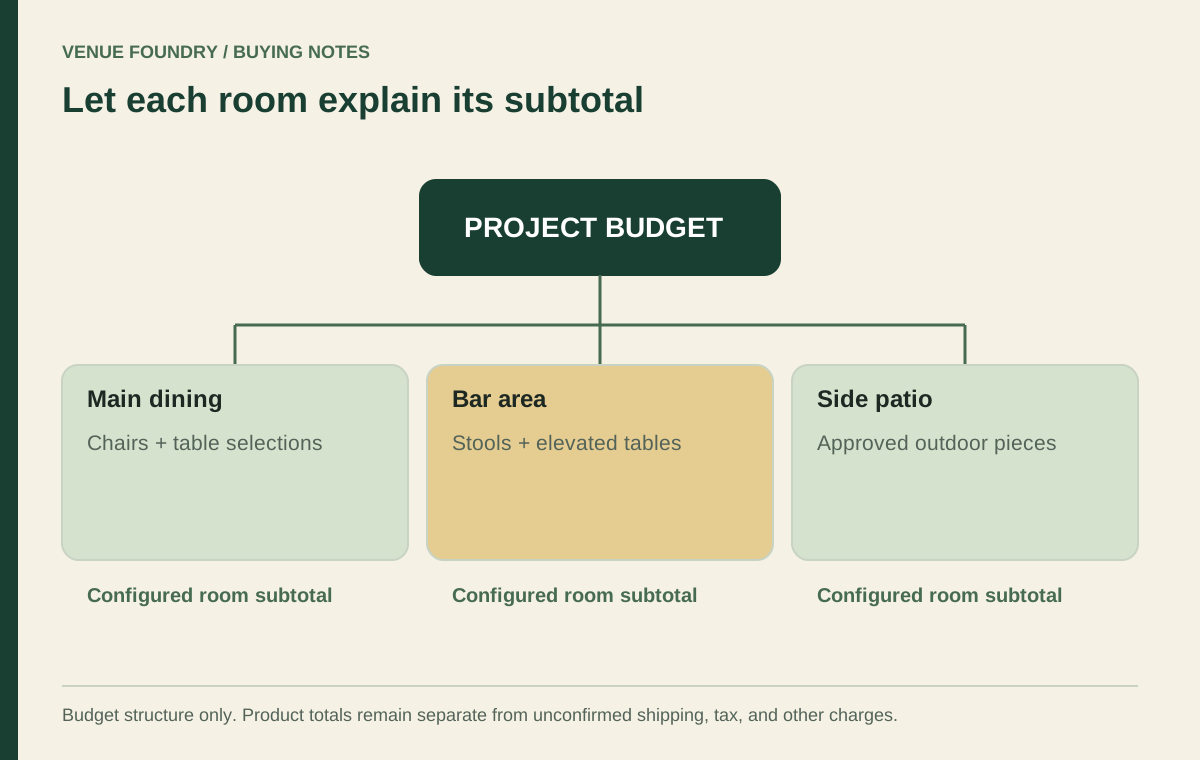
The budget planner can preserve the intended room scope while the receiving question is reviewed. Any additional cost belongs in the project budget only when its basis and status are clear. Do not assume reimbursement, free replacement, or a fixed response time.
Reconcile the receiving result with the room plan
After the applicable review and placement work, compare the identified furniture with the current room assignments. Record any accepted substitution, outstanding component, or item assigned elsewhere. The final record should explain the actual result rather than rewrite the original expectation to remove differences.
Use the room-by-room budget guide to keep the purchasing scope understandable. Read the current returns and changes information for the applicable business process, and retain any specific confirmation received for this order.
Leave a receiving record that supports the next decision
A clear receiving record connects expected configurations with observed items and documented responses. It helps the project team identify what is ready, what remains unresolved, and which evidence supports the next action.
Keep it with the final furniture selection after opening. A later service inquiry or repeat purchase becomes easier when the installed inventory can be traced to an understandable delivery record.