The project notebook
Restaurant chairs with arms: price the arrangement that actually fits
An armchair can be the right choice for a restaurant and still require a different purchasing schedule from a side chair. The decision includes the chair's actual dimensions, its relationship to the table, and the arrangement the room can support. A unit-price comparison comes after those questions, because the required count may change with the plan.
Start by identifying where arms are wanted and why. The answer may apply to every dining position or only to a particular zone. A clear brief lets the team compare a complete armchair arrangement with a complete alternative, rather than treating the additional feature as a price adjustment detached from the room.
Open diagram at full size (new tab) ↗
Distinguish overall width from usable seat space
Read the exact specifications in restaurant chairs. Overall width describes the product's outside dimensions, while a listed seat width describes another measurement. Neither should be silently substituted for the other when a buyer asks about the seated position.
If the listing does not provide a measurement needed for the project, request it. Do not estimate the distance between arms from an image or assume that a similar model has the same opening. Record the missing dimension alongside the SKU so the question can be answered precisely.
The chair rating review deals with capacity evidence separately. A documented capacity and a suitable seating position are different requirements. Keeping both visible avoids using a single number as a broad statement about guest fit.
Include a wider range of seated needs
When planning for larger guests or a varied guest group, ask about usable seat width, the opening between arms, and the movement needed to enter the position. Overall product width does not answer all three. Retain a choice of suitable positions in the reviewed plan rather than assuming one enclosed chair will suit everyone.
The October 17, 2026 record for armchair FRU-401070-AR lists an overall width of 20 3/8 inches and a stated 500-pound capacity. Neither field supplies the clear distance between the arms. Request that missing measurement if it governs the decision, then evaluate the intended position. This approach addresses product fit without turning a load statement into a comfort guarantee.
Check the arm against the actual table
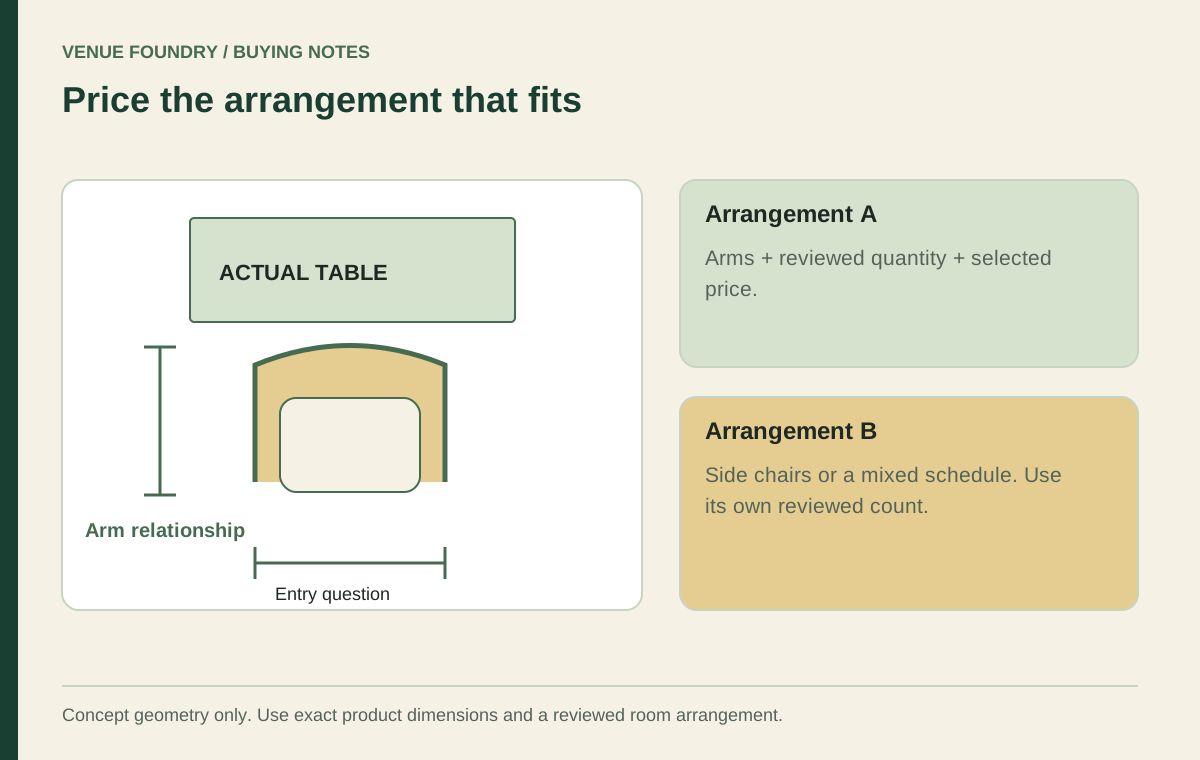
Identify the proposed table, including its top and supporting structure. Where the project uses separate table tops and bases, record the intended pairing. A tabletop height alone may leave an unanswered question about the space underneath.
Compare the listed arm height with the actual table arrangement and any relevant underside features. If the necessary dimensions are unavailable, keep the pairing pending. A chair that appears to slide beneath a table in a lifestyle photograph does not establish the fit of the products in your schedule.
Review the occupied position too. The plan should address how a guest enters and leaves, not only how the furniture looks when pushed in. Use an appropriate sample arrangement where the remaining question needs physical review, and keep any broader circulation approval with the project team.
Price two complete arrangements
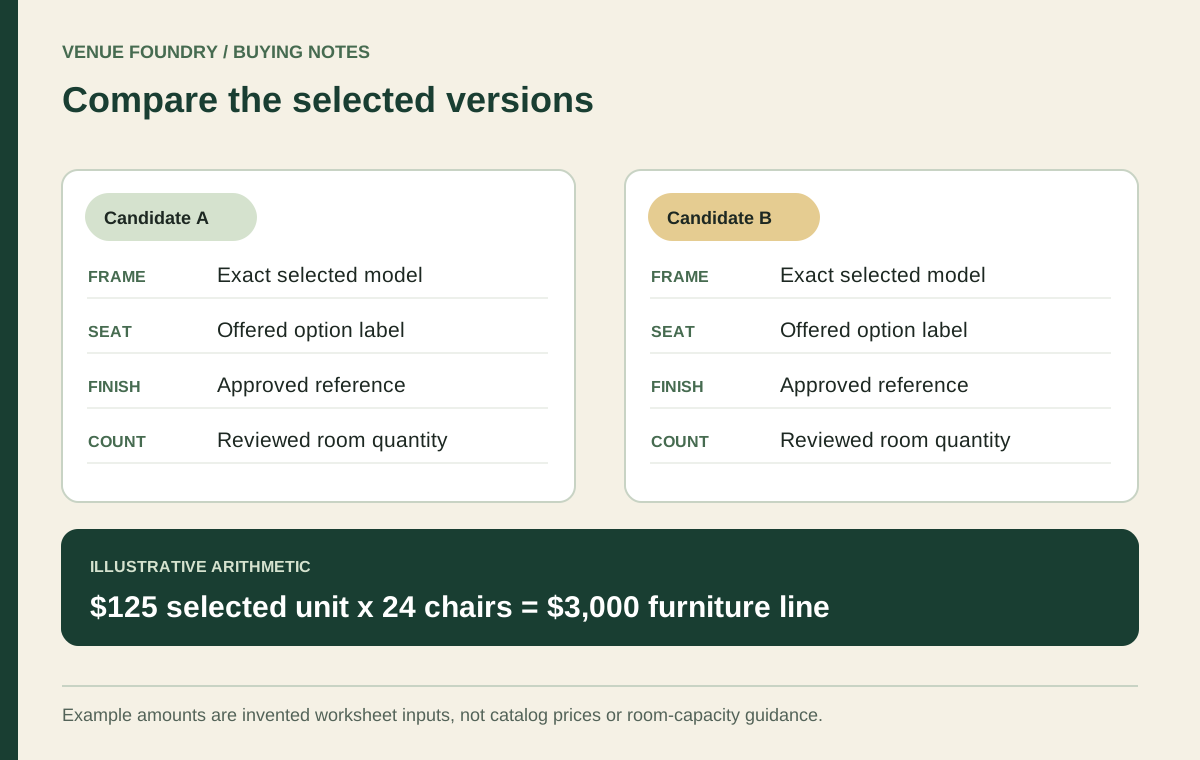
Create separate versions in the budget planner for the armchair and side-chair alternatives. Use the actual configured prices and the quantities from each reviewed arrangement. Name the versions clearly so a colleague does not mistake the two schedules for one combined order.
If the armchair plan requires a different count, show that difference explicitly. A room total should not be calculated with the side-chair quantity simply because it produces a convenient comparison. The relevant question is what each approved arrangement costs, including its selected furniture mix.
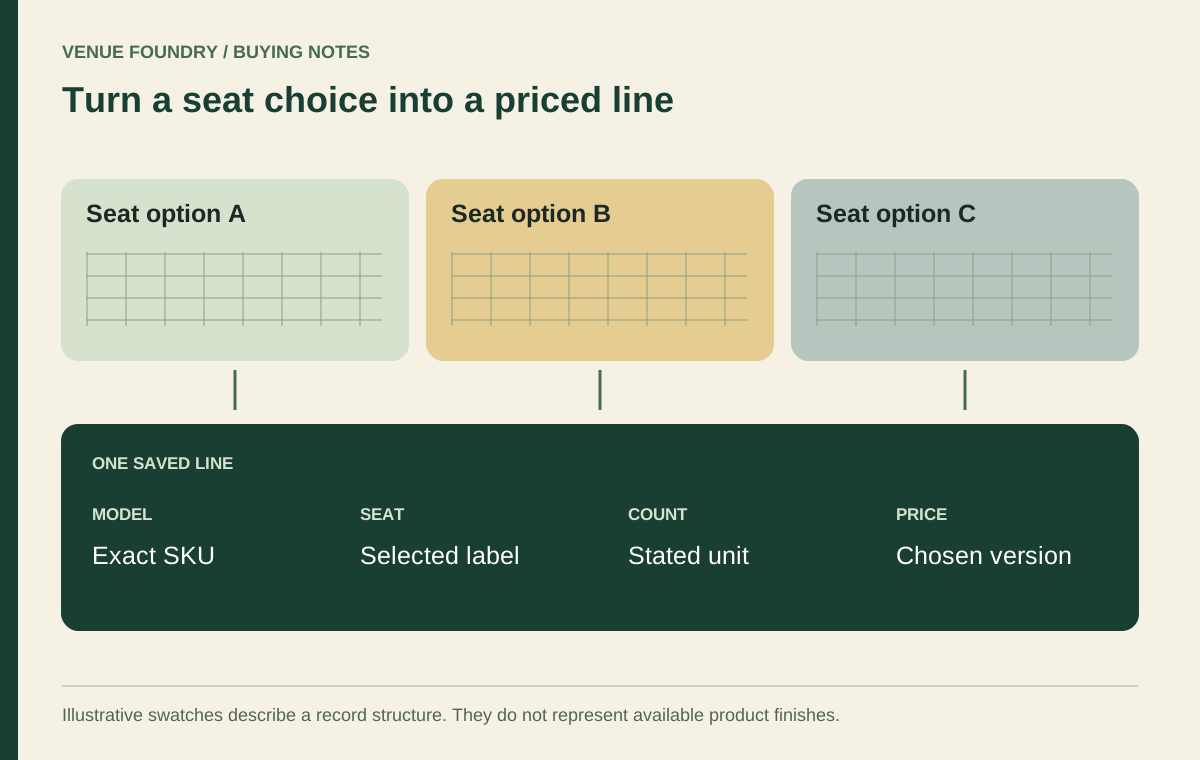
Use the configured chair comparison to align seat and frame selections. A price difference may come partly from upholstery or finish choices rather than the presence of arms. The budget record should identify those variables instead of attributing everything to one feature.
Consider a mixed seating schedule
The project may choose arms for some positions and side chairs for others. That is a valid alternative to review, provided the schedule identifies the models, configurations, and quantities separately. Do not describe a mixed requirement only in a note attached to one product line.
Give each group a room or zone name that matches the plan. If two configurations share a model family, keep their selected options visible. The materials guidance explains why matching finish names do not establish an exact physical color match.
A mixed schedule also needs a deliberate replacement record. If a chair is reordered later, the buyer should know which positions used arms and which did not. A generic description such as dining chair leaves that distinction vulnerable to interpretation.
Use a sample session to answer the remaining questions
The sample budget guide explains how to define an evaluation before arranging it. For armchairs, focus on the unanswered relationship between the chair, table, and intended use. Keep the selected product version identical to the one being considered for the order.
Record participants' observations as feedback from the stated setup. Someone's preference for an armrest is useful information, but it does not establish that every guest will prefer the same arrangement. Avoid medical, ergonomic, or revenue claims that the review did not investigate.
The approval note can be short:
- Which chair and table configuration were reviewed.
- Which arm-clearance or entry question the session answered.
- Which measurement or project approval still remains open.
That note is more useful than an unexplained approved label beside the final quantity.
Keep handling and receiving in the calculation
Ask the operating team how the chosen furniture will be moved during cleaning and resets. Arms may change the available grip or the way chairs fit around a storage route, but the actual task needs review. The handling article explains how to record those observations without assuming a labor benefit.
Use delivery planning for the full order's access and receiving requirements. The listed furniture dimensions do not necessarily describe its packaged size or condition on arrival. Confirm the shipment details separately, particularly where the route includes a narrow opening or another restriction.
Keep any unconfirmed handling or commercial charge outside the furniture subtotal. A precise chair total should not imply that every part of delivery and placement is already settled.
Let the room explain the final quantity
Before sending, compare the basket with the chosen arrangement rather than the first draft of the budget. Check the armchair and side-chair lines separately, including finishes, quantities, and room notes. Follow how to order once the current product review is complete.
The final decision should be understandable from the schedule itself. Arms belong where the reviewed plan calls for them, the quantities reflect that plan, and the price describes the selected versions. That keeps a visible design preference connected to a clear commercial decision instead of leaving the room to absorb an unexamined change.