The project notebook
Upholstered restaurant chairs: separate the seat choice from the frame price
An upholstered chair selection contains at least two purchasing decisions: the chair itself and the offered seat configuration. Treating them as one vague preference makes a price comparison harder to follow. Separating them gives the designer and the budget reviewer a shared record of what is actually being considered.
Begin with the product options available on the exact model. Upholstery names, colors, and image references belong to that product's selection controls. They should not be borrowed from another chair because the pictures appear similar. A useful shortlist compares complete configured versions and records any material question that remains unanswered.
Open diagram at full size (new tab) ↗
Establish the frame before comparing seats
Choose a candidate from restaurant chairs and check its listed dimensions against the intended table arrangement. The offered seat material cannot resolve an unsuitable overall footprint or an unconfirmed fit. Keep those questions in the room brief before discussing color.
Read which choices are actually offered. Some models may present different seat materials, while others provide a narrower set of configurations. Record the available labels without rewriting them into broader claims about fabric, vinyl, or performance. A material name alone does not describe every finish or construction detail.
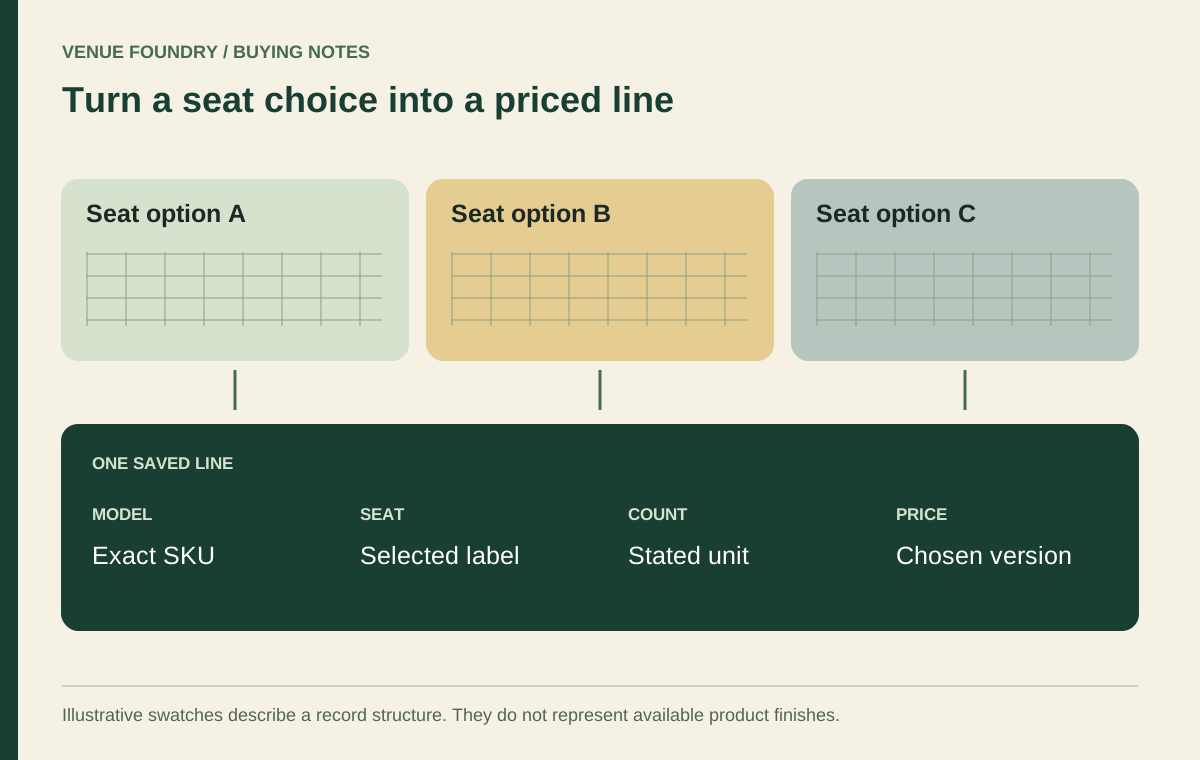
For a concrete selection record, chair FRU-100-CV offered Wood Seat, Padded Vinyl Seat, and Padded Fabric Seat in the October 17, 2026 catalog snapshot. The upholstery branches then exposed different color labels. That is a choice tree, not three interchangeable descriptions of one seat. Select the intended branch and its offered reference before comparing the resulting price or requesting its care information.
If the budget includes matching bar stools, configure those independently. A familiar collection name does not establish that the same seat options, dimensions, or price adjustments apply to both products. The two schedules can share an approved visual direction while retaining separate product records.
Save one line for one selected version
Complete the required options and price review before saving the chair to the budget planner. Assign it to the intended room. Keep the quantity on that configured line so the subtotal has an unambiguous meaning.
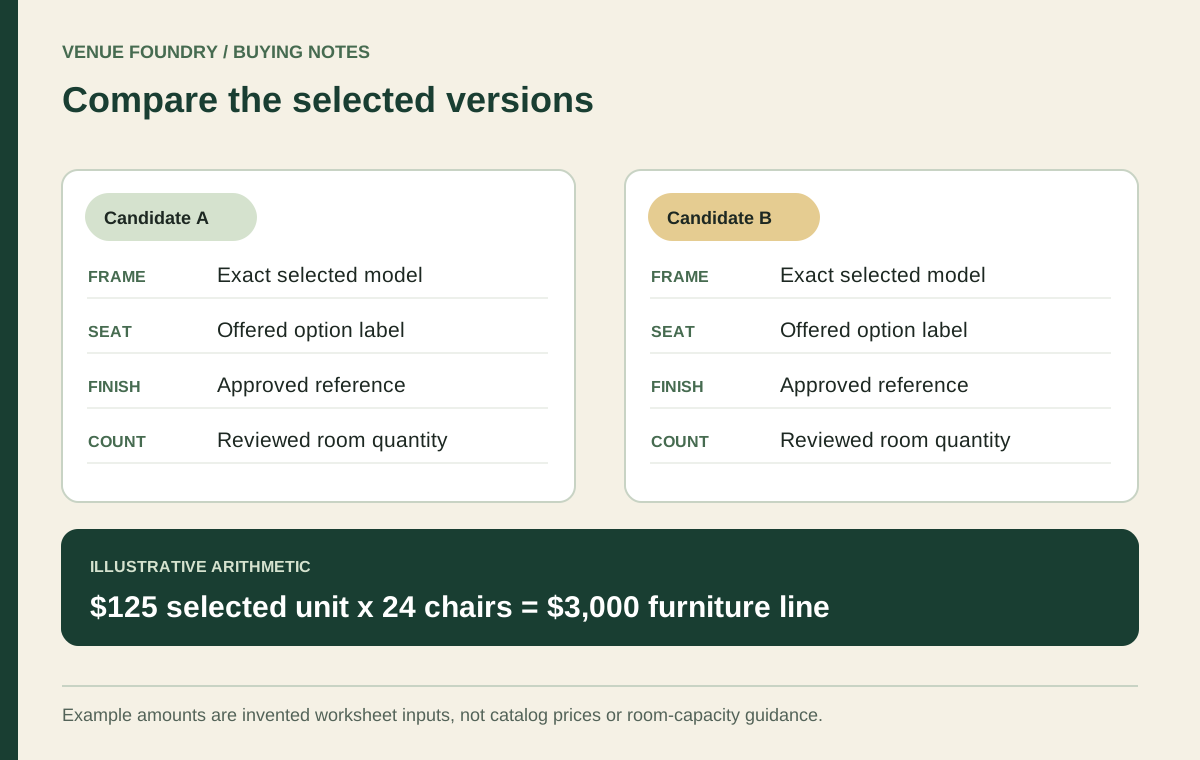
When the same model is needed in two upholstery choices, create two lines. A note that says half in another color leaves the split open to interpretation and may leave the saved price tied to only one option. The purchase record guide explains why a clear quantity record matters before multiplication.
Use the selected finish thumbnail as a supporting reference. Keep the text label visible in the approval notes as well. Images can help a reviewer recognize a choice, but the label and configured record identify what was selected. The chair finish approval article develops that distinction for larger schedules.
Compare material questions without inventing a winner
A vinyl and a fabric option can prompt different questions, but broad category names do not establish the answer for every product. Ask for the documented care requirements and any relevant material information for the actual offered option. Record what was supplied and when.
For a dining room with frequent spills, the useful question is how the selected material is intended to be cleaned. It is not enough to assume that one label means easy care. Check the product-specific instructions against the venue's cleaning routine and resolve any incompatibility before approval.
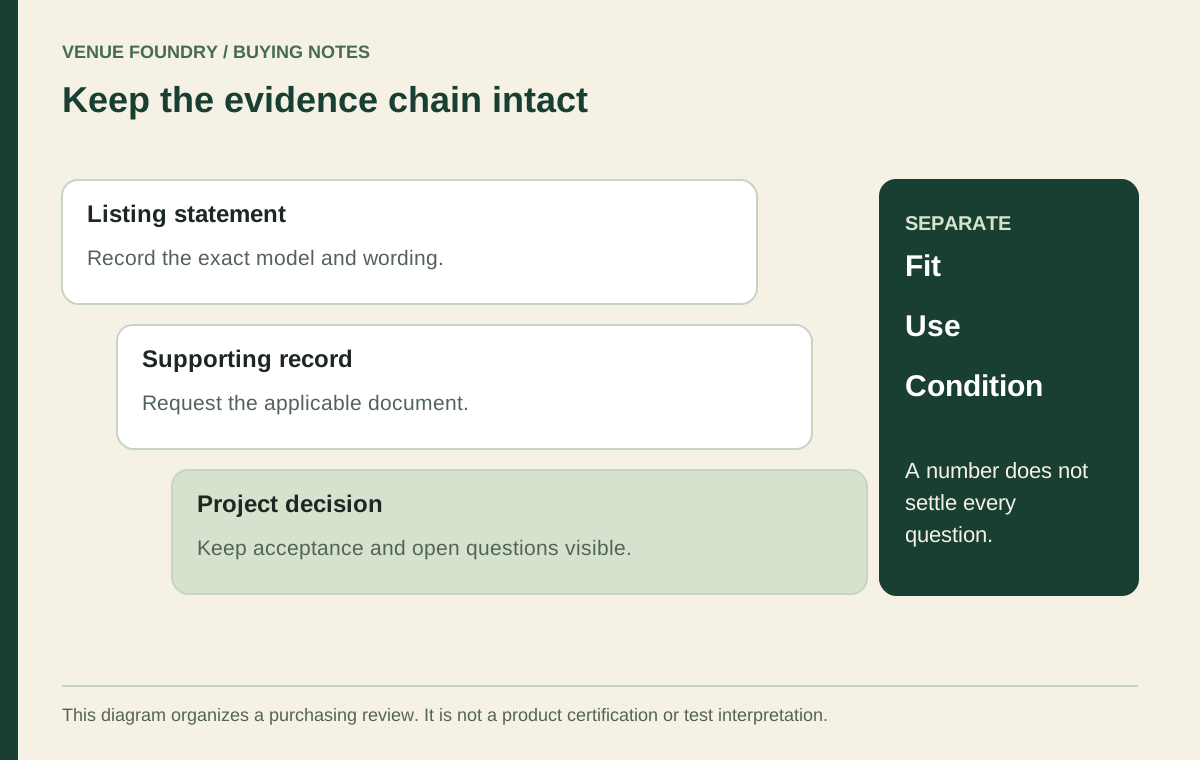
The materials guidance explains why the exact selected surface matters. Avoid claiming stain resistance, disinfectant compatibility, fire performance, or a service life unless the exact product documentation supports the claim. A purchasing article can identify the evidence needed without pretending that a test or certification has already been reviewed.
Give the sample a defined job
Decide what the sample review needs to answer. Color under service lighting is one question. The seated relationship to the intended table is another. Keeping these tasks separate makes feedback more useful than a general statement that someone liked the chair.
Place an approved sample in the proposed setting and record the chosen option. Invite the relevant project reviewers to comment on the decision they are responsible for. The chair sample budget explains how to account for this step before committing to the full quantity.
Digital swatches and photographs remain useful during selection, but they do not replace a physical approval when the project requires one. Save the sample reference and the decision date with the configured line. If an option changes afterward, treat the new version as a new approval question rather than inheriting the old sign-off.
Include the refresh question without promising a saving
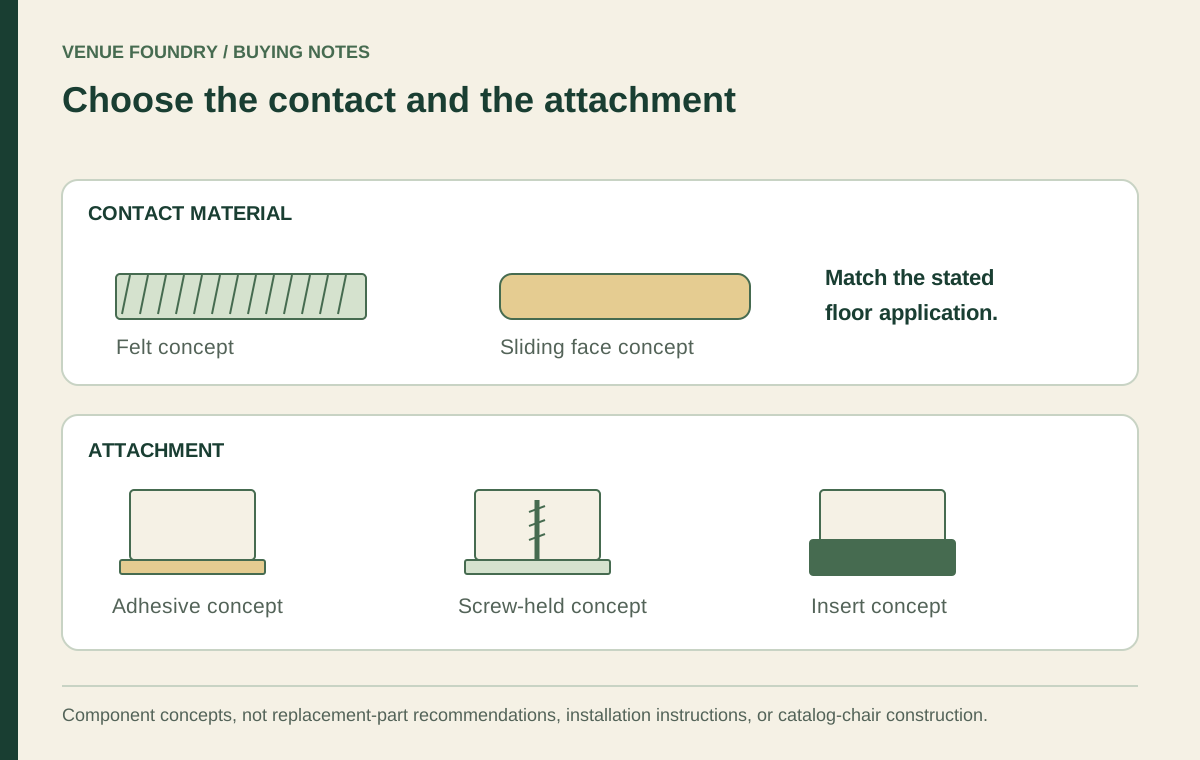
If future seat replacement matters to the buyer, ask whether a compatible replacement is documented for the model. Confirm the identification and approved service process before assuming the upholstery can be renewed separately. A visible seam or removable-looking panel does not prove that a part is available.
Compare a future refresh only when its scope can be described. Parts, labor, transport, and time out of use may belong in that discussion, but their amounts need real information. Do not subtract a guessed repair cost from a new-chair price and present the result as a financial benefit.
For existing furniture, the replacement seat guide separates frame condition from seat compatibility. That separation matters here too. A seat-only decision should not be used to dismiss an unresolved structural or condition concern.
Review the whole upholstered-chair line
Before the selection is approved, compare the following records rather than relying on the main photograph:
- The SKU, selected frame finish, and exact seat option label.
- The approved quantity, stated selling unit, and current configured price.
- The material reference, sample decision, and any unanswered care question.
Keep unconfirmed freight and other charges outside the furniture subtotal. Read the delivery guide before preparing destination and access information for the later commercial review. An upholstered-chair amount is not automatically a delivered and installed amount.
Check the current ordering process before transferring the selection. A saved project is a planning record; it does not place an order. Review current product data, then compare the basket with the approved chair lines.
Send a selection that needs no color translation
The final schedule should let a colleague identify each upholstery choice without interpreting a nickname or a marked-up photograph. One configuration per line, a visible option label, and a clear quantity make the order conversation more precise.
That clarity is useful even when the room contains only one chair model. The frame, seat, and finish decisions remain traceable, and the furniture subtotal reflects the version that was approved. If the budget changes, the team can compare a specific alternative instead of reopening every choice at once.