The project notebook
Restaurant patio furniture in wind: keep exposure instructions beside the operating plan
Wind planning for a restaurant patio begins with the furniture's documented use limits and the site's operating procedures. A heavy-looking chair or a substantial umbrella base does not establish a wind rating. The complete product, its configuration, and the actual exposure need to be considered together.
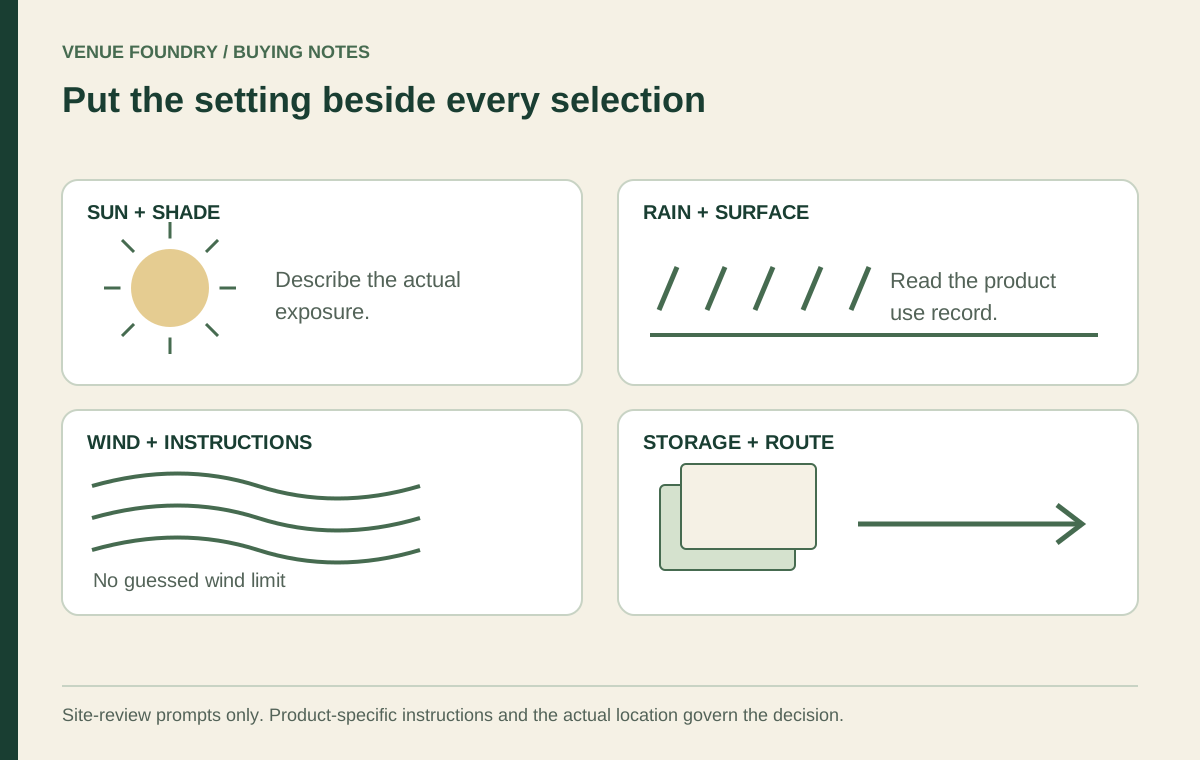
Treat seating, tables, shade, and movable accessories as related parts of the patio. They have different shapes and instructions, so one rule inferred from a single furniture weight cannot cover them all. The purchasing decision should include what happens when conditions change, as well as how the patio looks when it opens.

Open diagram at full size (new tab) ↗
Separate a weight figure from a wind claim
The October 17, 2026 FRU-110-OD record listed a 14-pound steel patio chair. The FRU-402-ECO record listed a 5-pound aluminum and Plastic Teak chair. Those are useful model-specific weights, but neither record supplies a wind-speed rating through those fields.
Weight is only one physical property. The shape, exposed area, center of mass, and the way the product is supported also affect its behavior. This article does not calculate a wind threshold or infer one from those variables. The appropriate product documentation and site review must establish the permitted use.
Use the patio chair category to compare the furniture needed for the room, while keeping unverified wind claims out of the selection. A heavier model may have other advantages or disadvantages for handling and storage. Those trade-offs should be considered separately from a rating that has not been provided.
Give shade equipment its own review
An umbrella presents a large canopy as well as a pole and support. Its open and closed conditions are different configurations. The patio umbrella selection therefore needs the exact canopy, pole, base or mounting arrangement, and operating instructions.
Treasure Garden's customer guidance recommends that an umbrella not be left unattended while open, regardless of its size or weight. Its AG25T manual also includes instructions about closing and securing the umbrella and avoiding an open canopy flapping in the wind. These are specific manufacturer instructions, not a universal speed limit for every umbrella.
The practical buying lesson is to obtain and follow the instructions for the actual selected equipment. Do not transfer a base weight, closure method, or wind claim from another manufacturer's model. A compatible table opening also does not by itself establish a complete approved umbrella support arrangement.
Describe exposure at the actual patio location
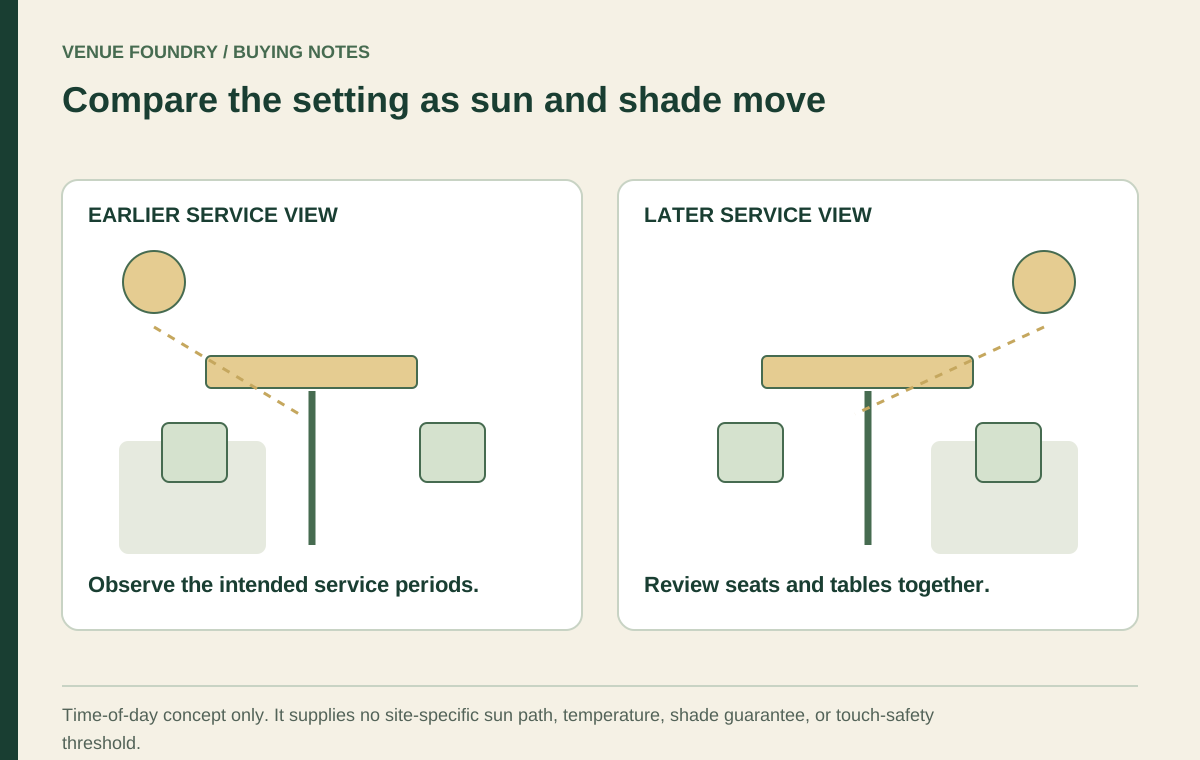
A street-level courtyard, an open waterfront terrace, and an elevated roof setting can present different conditions. Nearby buildings and openings can also influence where gusts are encountered. The product supplier and relevant site professionals need the actual location brief, not simply the word patio.
Mark the furniture positions and the areas where the restaurant expects to move or secure items. Use the planning guide for the room-level review and retain the operating arrangements in the venue's own records. If the patio has more than one exposure condition, avoid treating the sheltered corner as representative of every table.
Do not use a casual observation on one calm day to establish a site limit. The operating plan should draw on appropriate local review and the selected products' instructions. A furniture article can identify the questions, but it cannot certify the exposure of a particular building or terrace.
Plan the response before furniture is in use
The team needs a clear procedure for changing conditions: who observes the situation, who decides to stop using an area, and what happens to the furniture and accessories. Those responsibilities should be established by the operator with the relevant guidance.
The purchase affects whether that procedure is practical. A large furniture inventory with no accessible storage destination can make a proposed relocation routine unrealistic. A shade product that requires a specific closure sequence needs staff access and training consistent with its instructions.
Use the storage-route article to review the furniture's destination and handling method. Do not assume that closing umbrellas and stacking chairs in an exposed corner is automatically the accepted response for every product or site.
Include the smaller movable objects
Menu stands, decorative objects, portable signs, and other loose items can be overlooked when the plan concentrates on the furniture. Their positions and operating procedures should be reviewed with the patio as a whole. A substantial table does not make every object placed on it suitable for the same exposure.
The outdoor dining tables should also be reviewed as complete assemblies. A selected top and base need an accepted pairing, and accessories should not be attached through improvised changes. Product modification is a separate approval question, not a shortcut around missing exposure information.
If patio partitions are proposed, their own support and use instructions matter. A divider can change the appearance of the patio without establishing a protective wind barrier. Do not describe it as a site engineering measure unless appropriate evidence supports that role.
Avoid solving an undocumented limit with added weight
Adding improvised ballast, tying furniture together, or attaching it to a nearby object can change the product's use in ways the original instructions do not address. A heavier assembly is not automatically an approved assembly. Obtain the correct product and installation guidance instead.
Similarly, a table's stability on uneven ground is a different question from its wind exposure. The ground-contact guide explains the role of contact points and support geometry. Passing one kind of review does not establish the other.
The useful comparison identifies what is actually documented. If a required site condition cannot be supported by the product information, select another accepted product or arrangement rather than filling the gap with a confident-sounding estimate.
Budget for the complete operating arrangement
In the budget planner, keep the selected furniture and shade components visible. Identify any separately reviewed storage, mounting, or site-work requirements. The initial furniture subtotal should not hide the work needed to follow the accepted operating plan.
The final review should establish:
- The exact products and configurations exposed to wind.
- Their documented limits and operating instructions.
- The site-specific review relevant to those positions.
- The destination and handling method when use stops.
- The person or team responsible for the operating response.
Purchase a patio the team can operate responsibly
A useful wind plan combines appropriate products with a workable response to changing conditions. It does not depend on a guessed speed limit, a heavy appearance, or a single product's weight. The furniture should support the procedure the restaurant can actually follow.
Use contact for missing product instructions and review the selection through how to order. Retain the accepted information with the project. That keeps the purchasing decision connected to the patio's real exposure and operating responsibilities, rather than to an unsupported claim about weather resistance.