The project notebook
Restaurant patio tables and umbrellas: plan the shade as a separate system
A patio table and umbrella can form one useful dining setting, but they remain separate products with separate dimensions and support requirements. A hole in the tabletop does not establish a complete shade system. The canopy, pole, base or mounting arrangement, and occupied furniture area all need to work together.
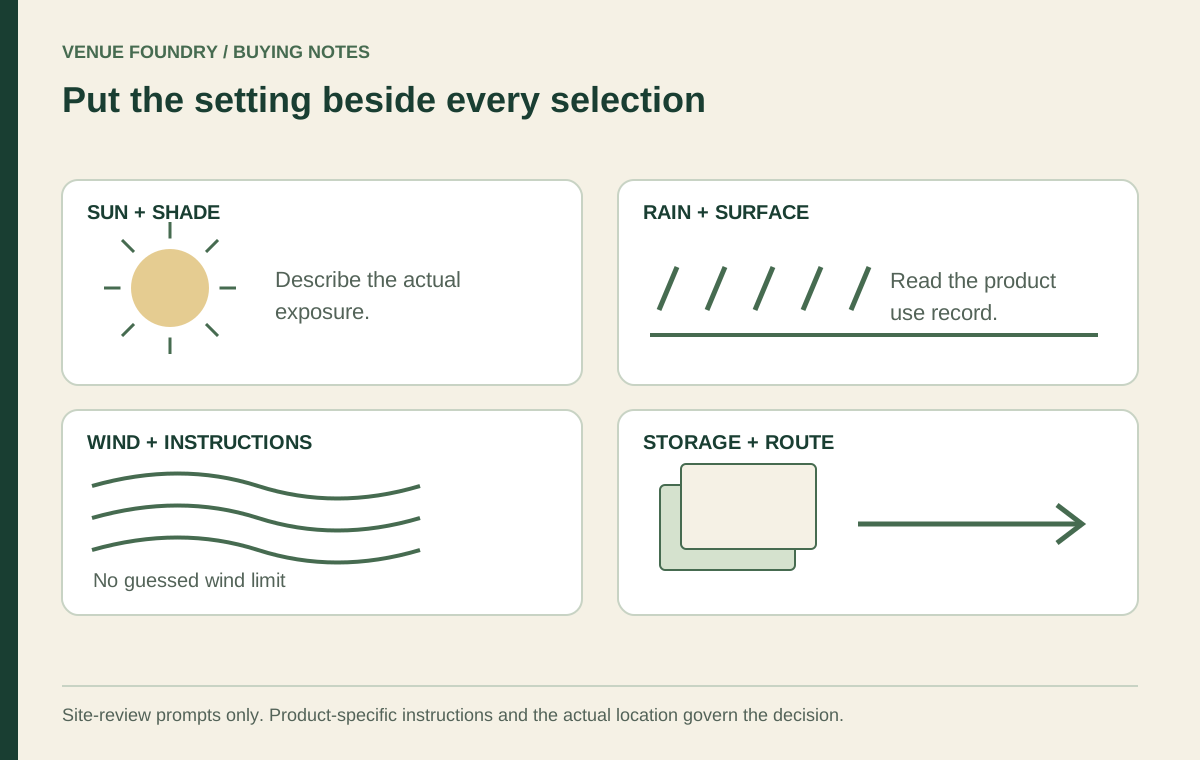
Begin with the area the restaurant wants to shade during service. Then compare products that can support that plan under their documented instructions. Choosing the umbrella only after the tables are fixed can leave the base in the wrong place or the intended chairs outside the useful shade.
Open diagram at full size (new tab) ↗
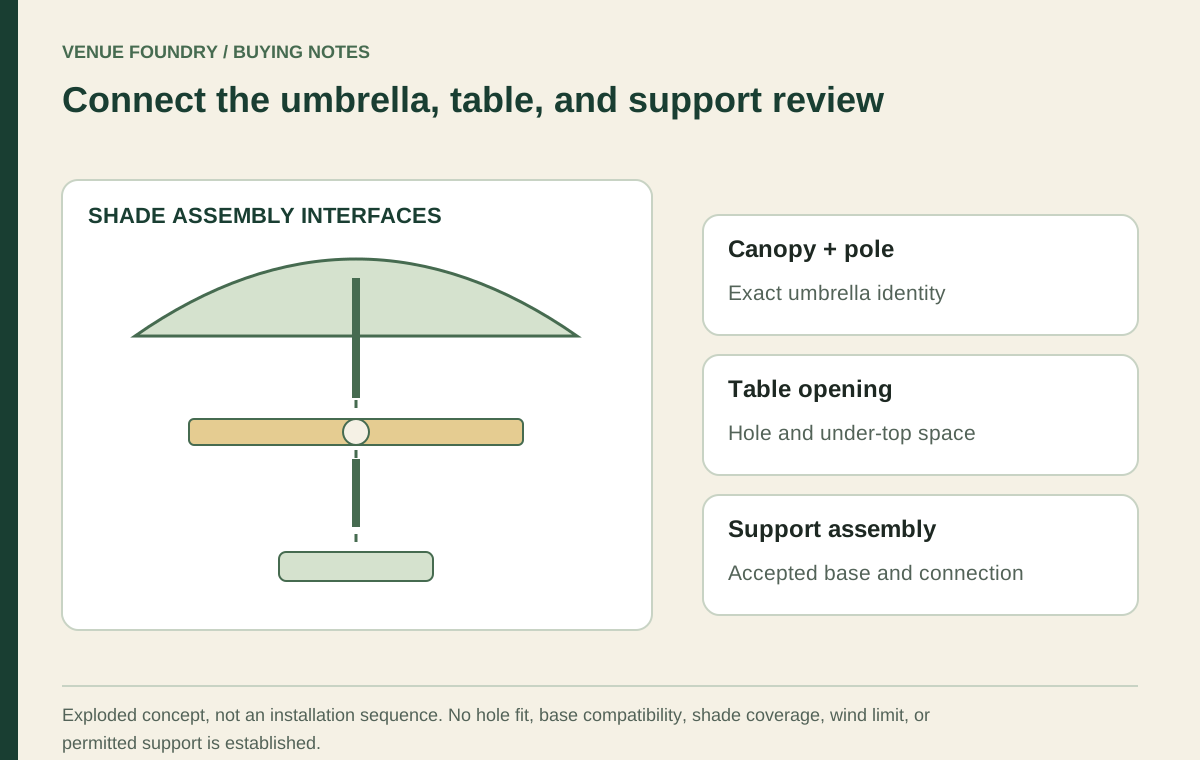
Separate the tabletop opening from the support system
The October 17, 2026 FRU-AFTT-ALP-BL-DKW record described a patio table with an umbrella hole, an included aluminum table base, and a 30-inch table-height field. The umbrella-hole feature does not identify the hole diameter or establish that the table base is also a complete umbrella base.
Read the umbrella and support records separately. The selected pole must suit the accepted opening and supporting arrangement. Any additional sleeve, adapter, or attachment requires the appropriate product information, rather than a guess based on a photograph.
Browse tables with umbrella holes as a useful shortlist, then verify the complete pairing. A shared category label should not substitute for compatibility information between two exact products.
Read the canopy size as one dimension among several
The dated FRU-CUB-UM100-75 listing stated a 7.5-foot canopy size, an aluminum pole, fiberglass ribs, and a push-lift mechanism. Its pole diameter was listed as 1 1/2 inches. These are separate facts that answer different parts of the selection.
The canopy size describes the shade product's nominal dimension. The pole diameter affects a different relationship with the table opening and support. The lifting mechanism affects how the product is operated. None should be inferred from one another or from a similar-looking umbrella in a different size.
Keep the exact size variant attached to the order. A photograph shared across a product family can make sizes look interchangeable. The selected record and configuration should control the decision, especially when the table and neighboring furniture leave little room for an unexpected change.
Review the base beneath the dining position
The FRU-CUB-UB02 record listed a cast-iron umbrella base weighing 95 pounds and identified compatible umbrella-size labels of 7 1/2, 9, and 11 feet. That is useful catalog information, but it is not a universal wind rating or proof that every umbrella with one of those nominal sizes is approved.
The exact umbrella, pole, table, support, and site conditions still need the accepted product guidance. The base's footprint and vertical form also occupy space beneath the table. Guests' feet and the table's own support may compete for that area.
Use the table-base footprint discussion to keep the under-table geometry visible. An umbrella support should not be added to a finished dining plan as if it occupied no space simply because it is mostly hidden in a marketing image.
Map useful shade at the actual service times
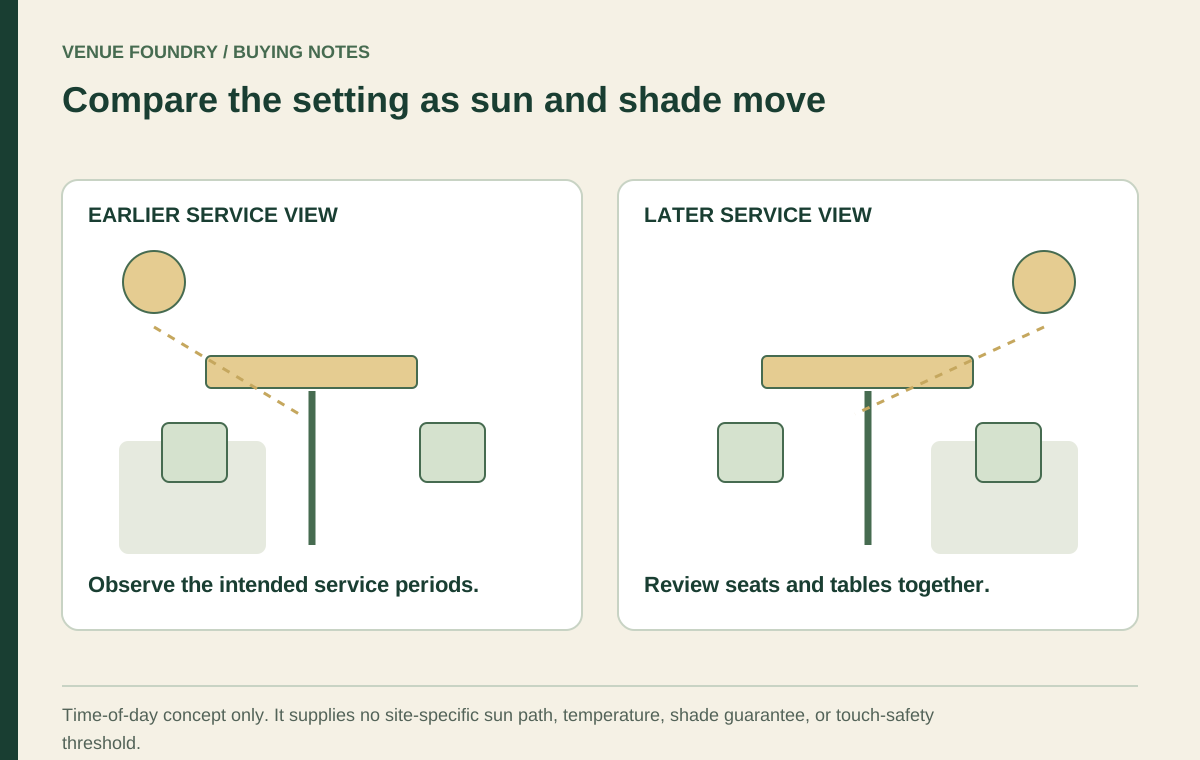
The canopy's outline and its shadow are not the same shape in every condition. Sun position changes the location of shade across the setting. A table centered beneath a canopy can still have chairs that receive direct sun during part of the service period.
The direct-sun review explains why observations at the intended times are useful. Show the dining positions and relevant shade on the project drawing, using the planning guide for the separate furniture-layout discussion. Treat an unverified proposed shade shape as a proposal, not as a guaranteed result.
If a tilt or rotating feature is being considered, use the actual model's instructions and accepted operating range. Do not assume that the chosen product has those features because another umbrella in the same category does. The operating envelope needs to be reviewed with nearby furniture and structures.
Include the open, moving, and closed conditions
An umbrella needs room for its permitted operation, not only its final open position. Nearby walls, partitions, plants, lights, or other canopies may matter when the product is opened, closed, or adjusted. The applicable manual should guide that review.
The record for FRU-CUB-UM100-75 also listed overall height and ground-clearance fields. Those are useful product references, but they do not describe every point occupied during operation or approve placement beneath a particular structure. The full operating information remains necessary.
Treasure Garden's product guidance provides a relevant manufacturer example by warning against leaving umbrellas open unattended. The wind-planning article places such instructions alongside site procedures. No canopy size or base weight should be converted into an invented operating threshold.
Coordinate the canopy material and the room palette
The selected umbrella record offered Olefin, Pacifica, and Sunbrella canopy-material branches with separate color choices. Those are meaningful configuration decisions. Choosing a color in one branch should not be treated as approval of a different material with a similar color name.
Compare the canopy reference with the patio chairs, tables, and any partition finish. A large canopy can occupy a substantial part of the visible palette. The material's care and permitted use should remain connected to its exact selected identity.
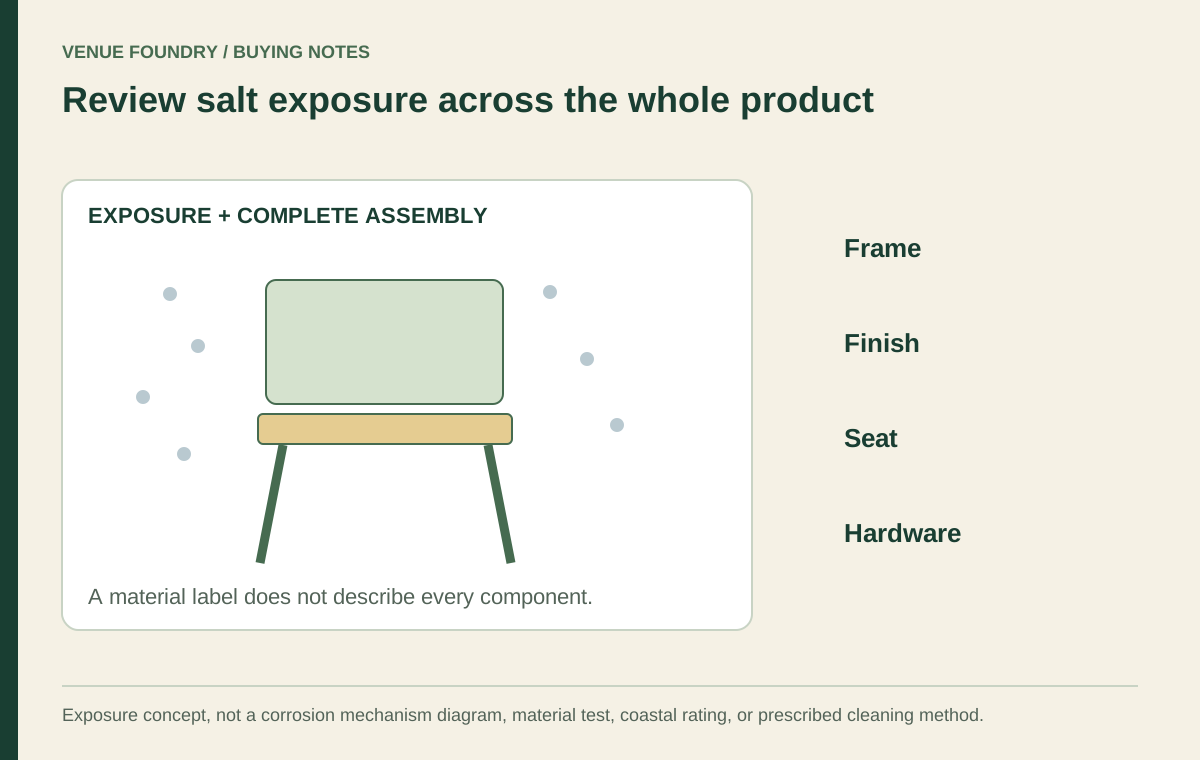
Do not infer a protection rating, fade guarantee, or cleaning recipe from the canopy color or brand name alone. The applicable product information should support any performance claim. Appearance approval and performance evidence are different parts of the buying decision.
Compare the complete shade setting in the budget
Use the budget planner for the selected table, seating, umbrella, and required support components. Identify any separate mounting, installation, or storage scope. A canopy-only amount does not describe the cost of a usable dining arrangement.
The final review should establish:
- The exact canopy size and selected material.
- The pole and accepted tabletop-opening relationship.
- The approved support and its occupied footprint.
- Useful shade during the intended service periods.
- The operating, closure, and storage requirements.
Choose shade as part of the dining arrangement
A well-planned table-and-umbrella setting accounts for the surface above the guest and the supports below the meal. Its shade, geometry, and operating requirements should agree with the restaurant's actual use. A tabletop hole is a useful feature, but it is only one part of that system.
Use contact to resolve the exact pairing and operating questions before completing the selection. Retain the approved components with the project. The resulting purchase should explain how the whole setting works, with every required part and its selected price visible.