The project notebook
Restaurant bar stools for watching a game and eating a meal
A sports bar stool serves more than one direction. The guest may face the counter to eat, turn toward a screen, and speak to someone beside them during the same visit. Choosing only from a front-facing product photograph misses much of that activity.
Start with the actual viewing arrangement and menu service. A drinks counter facing one screen asks different questions from a bar with several screens and full meals. The venue furniture brief establishes that wider context; this guide focuses on the stool positions that need to work within it.
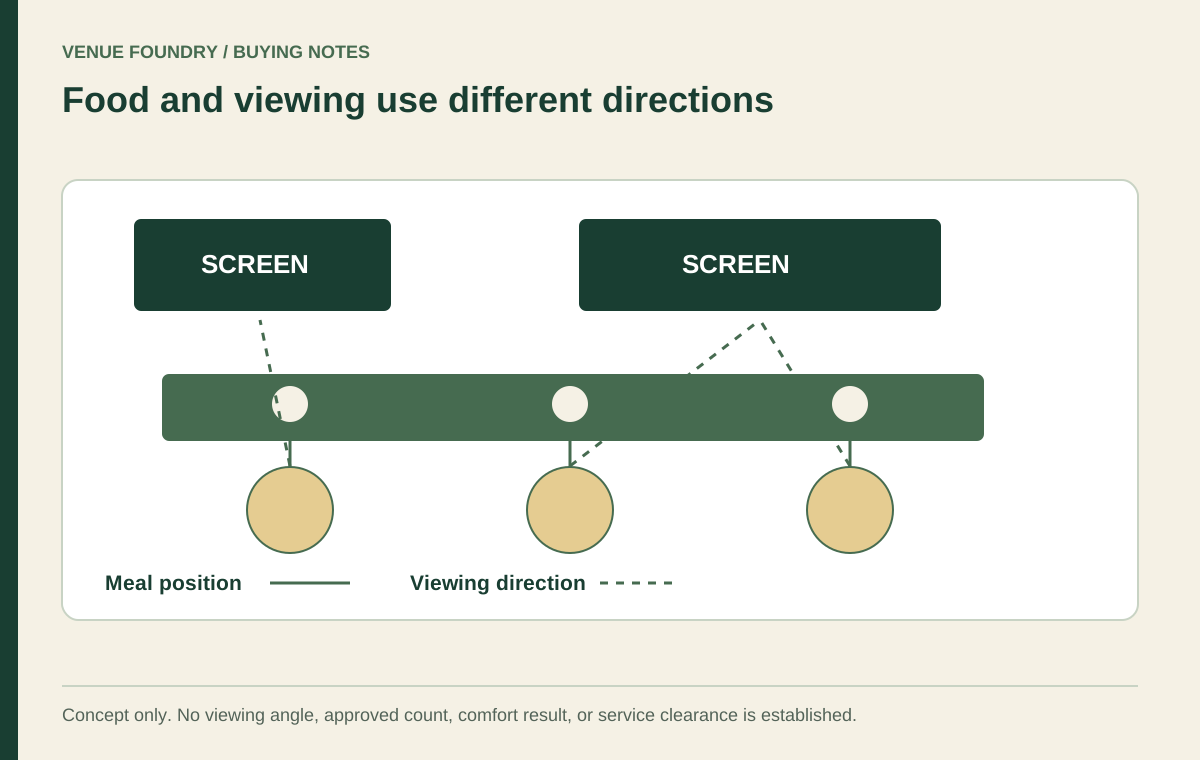
Open diagram at full size (new tab) ↗
Map what each position is meant to see
Identify the screens intended to serve each part of the bar. A stool at one end may have a different viewing direction from a stool near the middle. The straight line between a seat and a screen is useful information, but it does not show what happens when neighboring guests sit, stand, or move.
Review the actual height and location of the screen and the counter, with the proposed seating in place when possible. Avoid assigning a universal viewing angle or claiming that a particular back height will work from every position. This is a project arrangement to evaluate, not a product performance claim.
Keep an annotated position plan beside your furniture schedule, using the schedule guide when preparing that record. Give unusual seats their own notes. If two positions have different requirements, a mixed selection may be more understandable than forcing every location into one furniture choice for the sake of a perfectly uniform row.
Decide how the guest changes direction
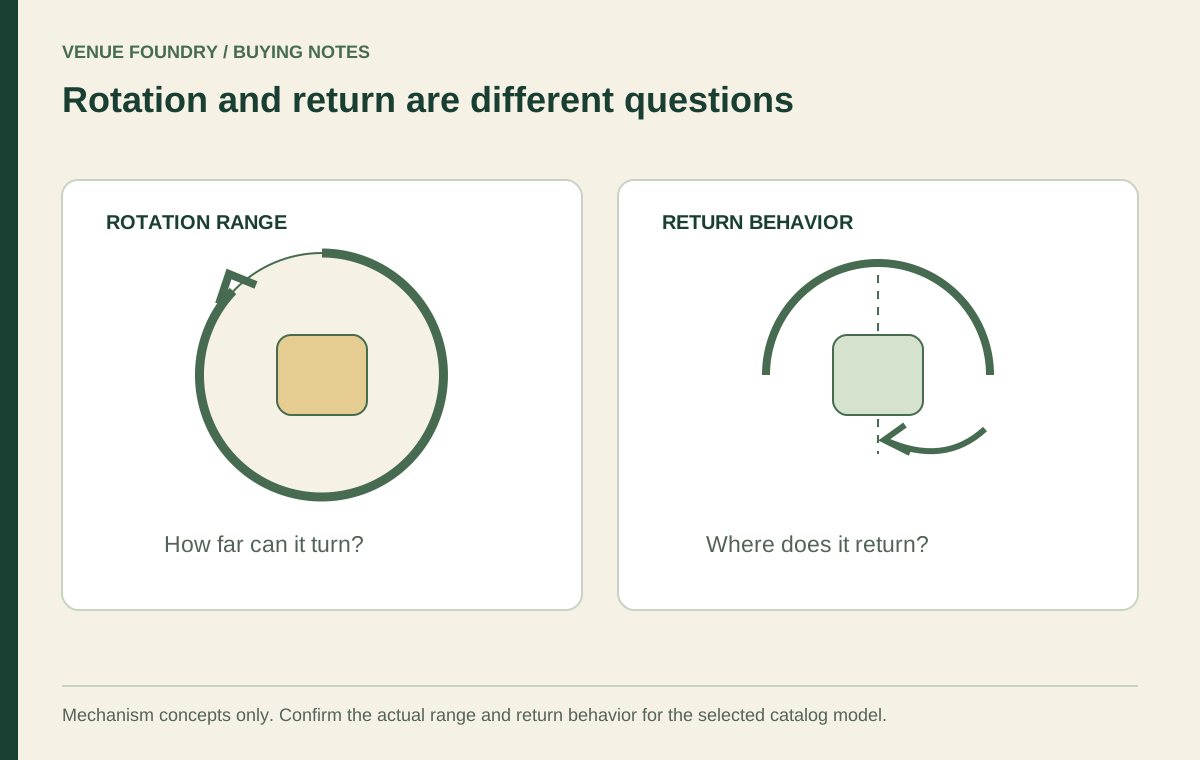
A fixed seat and a swivel seat invite different movement. A guest on a fixed seat may need to adjust their whole seating position to change direction. A swivel seat allows some movement without relocating the base, but the permitted range, return behavior, and surrounding space still matter.
The swivel mechanism article separates those properties. Do not assume a full circle of rotation or automatic return merely because the product is in a swivel category. A model can meet a visual preference and still leave an important movement question unanswered.
For a dated catalog example, model FRU-801-304-BS lists a swivel seat, padded back, and vinyl seat. Its October 17, 2026 record gives a seat height of 30 1/2 inches and overall dimensions of 21 3/4 inches wide by 24 inches deep by 48 1/4 inches high. Those facts describe the candidate. They do not establish its viewing performance in a sports bar.
Bring the meal to the counter review
Use the place setting that the venue expects to serve, including plates, drinks, cutlery, condiments, and shared dishes where relevant. A counter that accommodates a drink may need a different arrangement when a guest eats a full meal and occasionally turns toward a screen.
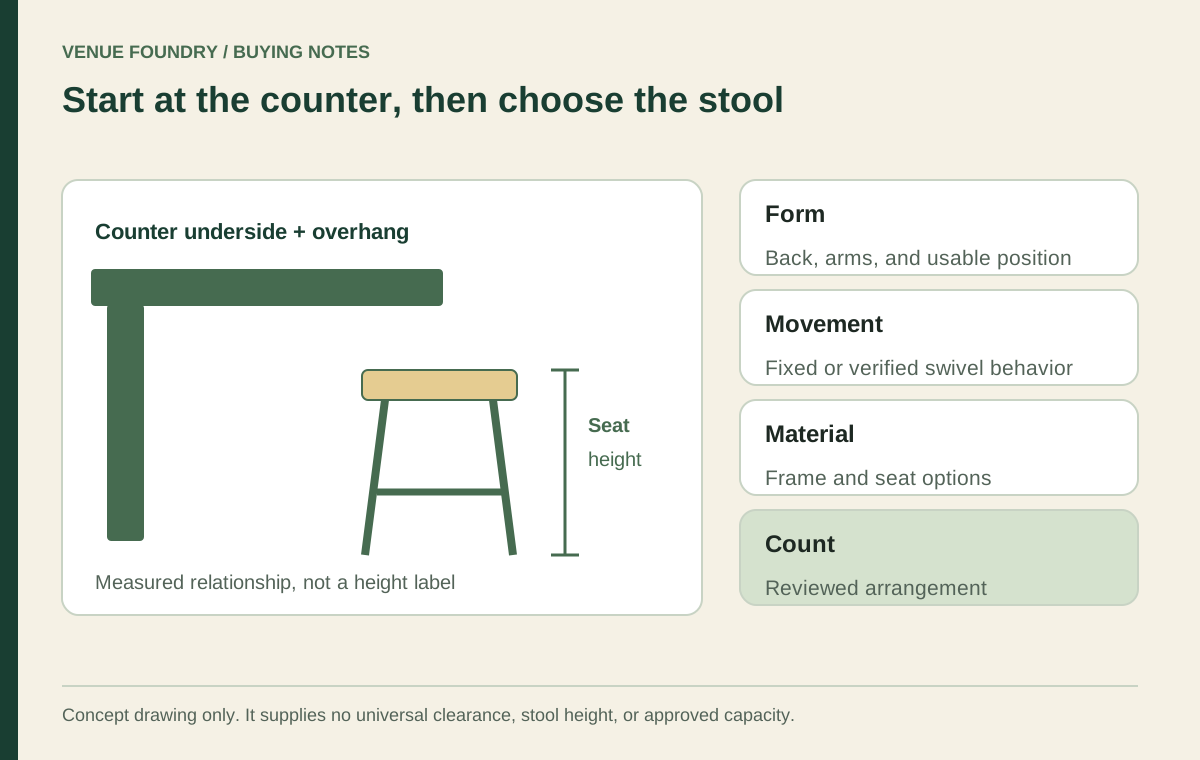
Watch the relationship between the food position and the normal seated position. If the guest must move away from the counter to turn, the occupied movement can affect both the plate and the route behind the stool. The counter selection guide helps connect the furniture dimensions to that surface.
Do not let a larger seat substitute for adequate meal space. Conversely, a narrow stool does not prove that additional meal positions are suitable. The relevant unit is the occupied place at the counter, including the service activity, rather than the width of the furniture alone.
Evaluate the back and seat together
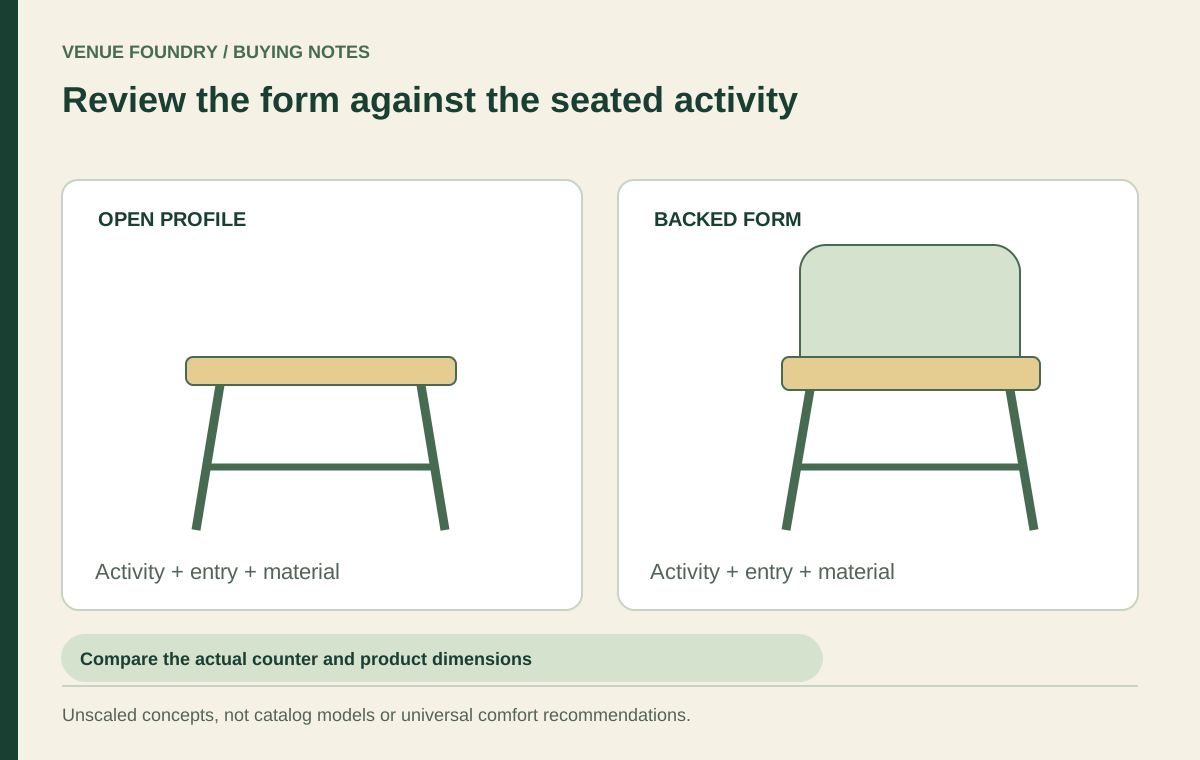
A backless stool leaves a different visual profile from a tall backed stool. A padded back introduces another contact surface and another material to maintain. The back-form comparison explains why these choices should follow the intended seated activity without declaring one form universally comfortable.
Compare candidates with a consistent review session when samples are available. Use the same counter, screen arrangement, and meal setting. Invite comments about entry, seated position, turning, and leaving. Record individual feedback rather than presenting a small project review as a scientific finding about every guest.
Overall weight also belongs in the operational review. The bucket model above is listed at 44 pounds, while model FRU-10427-BS-SW is listed at 30 pounds. That is a real model distinction, not evidence that one will be easier for every worker to handle. Staff tasks, available routes, and handling methods need their own assessment.
Plan for the room between events
The sports calendar does not describe every service. The same bar may operate during quieter periods, host a different audience, or serve a menu that changes the counter setup. Identify which furniture arrangement remains useful across those uses and which changes would require staff to move pieces.
The bar stool collection can include candidates with different back, material, and movement choices. Keep the selection tied to the real service brief. A product should not be called suitable for long visits solely because it has more padding, nor should a backless stool be assigned a guaranteed faster turnover.
Care requirements also matter after a busy event. The selected seat material and its instructions should be clear enough for the operating team to follow. Use the materials page to organize the questions, then obtain instructions for the actual surface rather than borrowing a cleaning method from another upholstery family.
Spend on the positions that work
A sports-bar furniture comparison should keep these items together:
- The intended screen or viewing direction for each stool position.
- The counter and full meal setting used in the review.
- The selected model, seat material, and documented movement.
- The occupied arrangement and relevant service-route observations.
- The configured quantity, price, and unresolved product questions.
Put approved alternatives into the budget planner with a clear room name. An attractive starting price does not settle the budget if the chosen seat option costs more or the reviewed arrangement changes the count. Keep any sample expense or unpriced work visible as a separate allowance.
Give the game and the meal their own space
The best decision for the project is the stool arrangement that supports its actual viewing and dining activities. That result comes from the specific counter, screens, selected furniture, and review observations. It cannot be reduced to a universal sports-bar stool style or a promise about how long guests will stay.
Before sending the order, follow the ordering steps and retain the accepted configuration with the position plan. The saved project should explain why each type of stool is there. That clarity helps future buyers preserve a useful arrangement when a seat is replaced or the room changes.