The project notebook
Lightweight restaurant chairs and the work behind a room reset
Chair handling is part of the work a dining room asks of its furniture. A team may pull seats away from tables, move them for cleaning, or rebuild an arrangement for a different service. Those tasks deserve a place in the buying brief before a price comparison is finished.
The word lightweight should prompt a product check, not end one. Record the stated weight when it is available for the exact model, then review the actual handling task. Shape, grip, storage arrangements, and the route can all matter to the decision, but their effect needs observation rather than a claim invented from the listing.
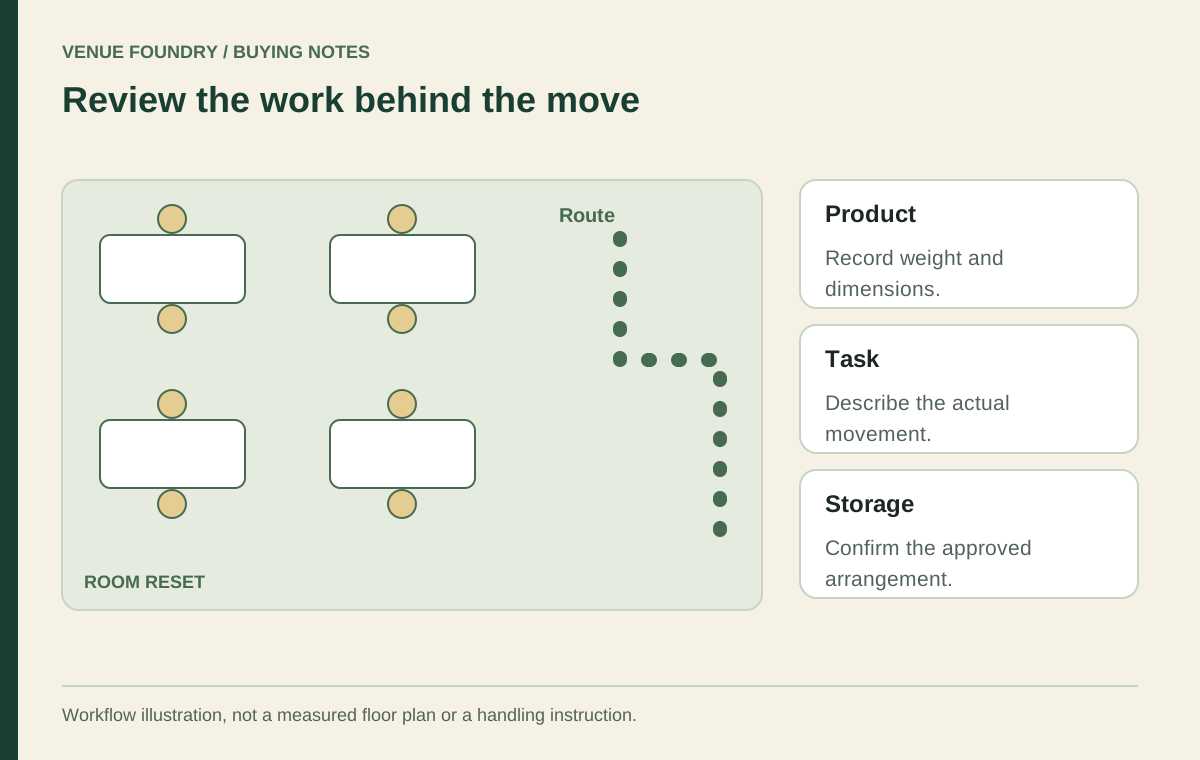
Open diagram at full size (new tab) ↗
Describe the movement the room requires
Start with the current operating routine. Identify which chairs are moved, where they go, and why. A nightly repositioning task is different from storing a whole room for an occasional event. Keep the tasks separate so the comparison does not assume that every model will be used in the same way.
Assign the intended furniture to named zones in the budget planner. Main dining, private room, and side patio can carry different handling requirements even when the preferred appearance is similar. Notes should describe the task, not promise an unmeasured labor saving.
Review room planning alongside the furniture list. The movement route may be affected by fixed features or another service activity. A chair selected solely for its listed weight can still leave an unanswered storage or access question in the actual venue.
Read weight and dimensions from the model record
Open the exact candidate in restaurant chairs and record the available weight information with its units. Do not substitute a shipping figure for a product weight unless the listing explicitly makes that relationship clear. If the meaning is uncertain, ask before using the number in a comparison.
Keep the dimensions beside the weight. A compact outline in a photograph is not a reliable guide to how the chair fits through a storage route or around another piece of furniture. Identify the actual model and configuration so the record can be checked later.
The October 17, 2026 catalog record for chair FRU-401070 states 14 pounds, while the related armchair FRU-401070-AR states 19 pounds. Their listed widths also differ, at 17 5/8 inches and 20 3/8 inches respectively. Those facts identify two different handling candidates. They do not measure the effort or time required by the venue's actual reset task.
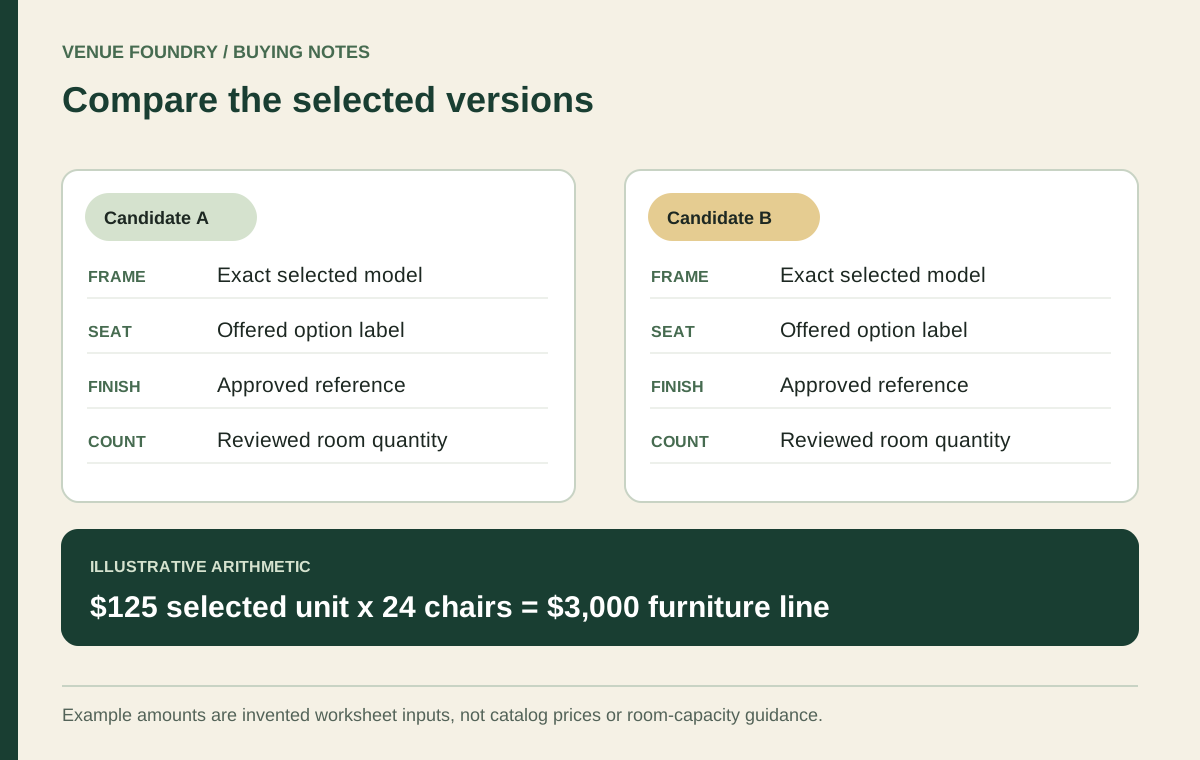
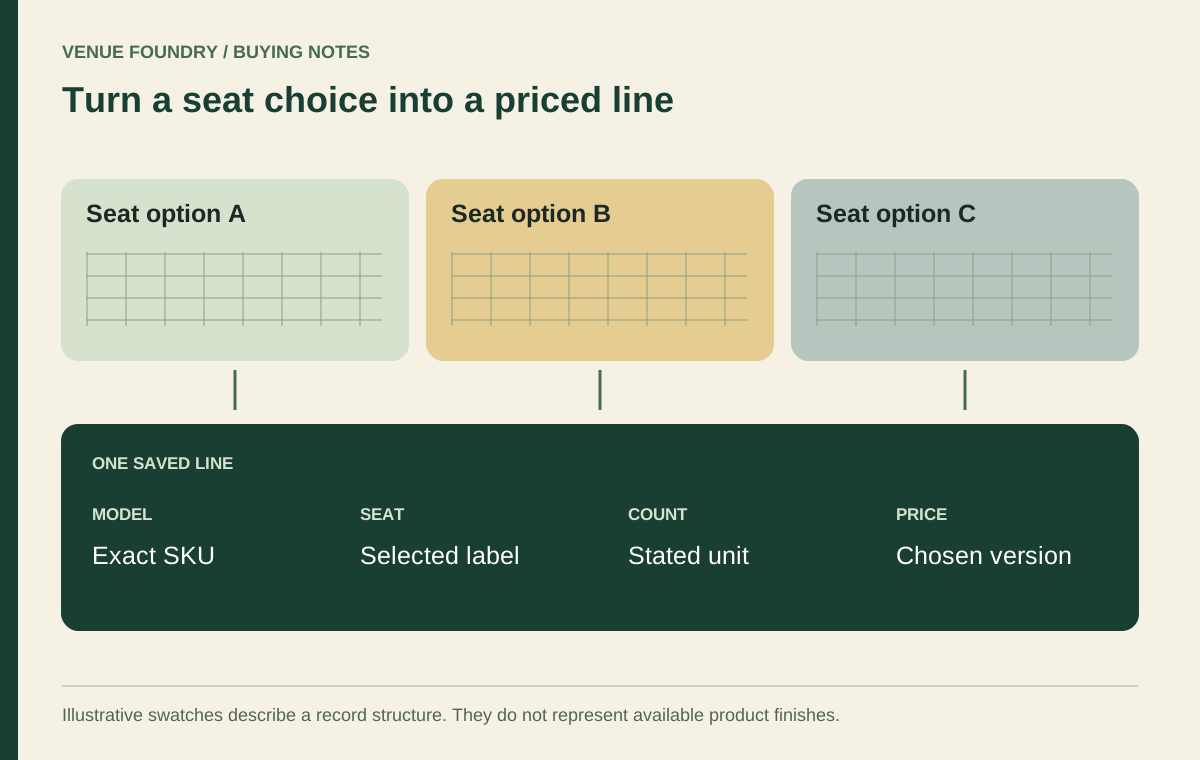
Material labels are insufficient shortcuts. Wood chairs and other frame types should be compared as individual products. The configured price guide explains how to hold the selected seat and finish constant when purchase amounts are also under review.
Observe an ordinary task within the product instructions
Arrange an appropriate sample review with the people responsible for the room reset. Follow the product's handling instructions and the venue's procedures. The goal is to understand a normal task, not to stage a strength contest or ask someone to lift an unsuitable load.
Document the starting arrangement, the destination, and the movement method used. Ask staff what they noticed and what information they still need. Their comments can identify a purchasing concern without becoming a claim that one model is universally easier or safer for every worker.
If the venue chooses to measure task time, record the conditions and method. A single observed reset does not establish a permanent labor saving. Keep unmeasured impressions clearly separate from recorded observations, and avoid assigning a dollar benefit to a difference the review has not established.
Treat stacking as a separate capability
Do not stack chairs because their shapes appear to nest. Look for explicit product information and approved limits. A lightweight chair is not automatically a stacking chair, and a stacking claim does not tell the buyer how the full stack will fit in the storage area.
The stackable-chair budget article addresses stack height, storage footprint, and the route as separate review items. If approved handling equipment is needed, record that requirement and its confirmed scope rather than assuming it is included with the chairs.
A dining-room shortlist can therefore contain two legitimate alternatives: furniture that stays near its tables and furniture intended for a documented storage arrangement. Compare those alternatives against the real operating brief. The cheaper unit may belong to a different workflow, which changes what the price comparison means.
Keep the floor contact detail in view
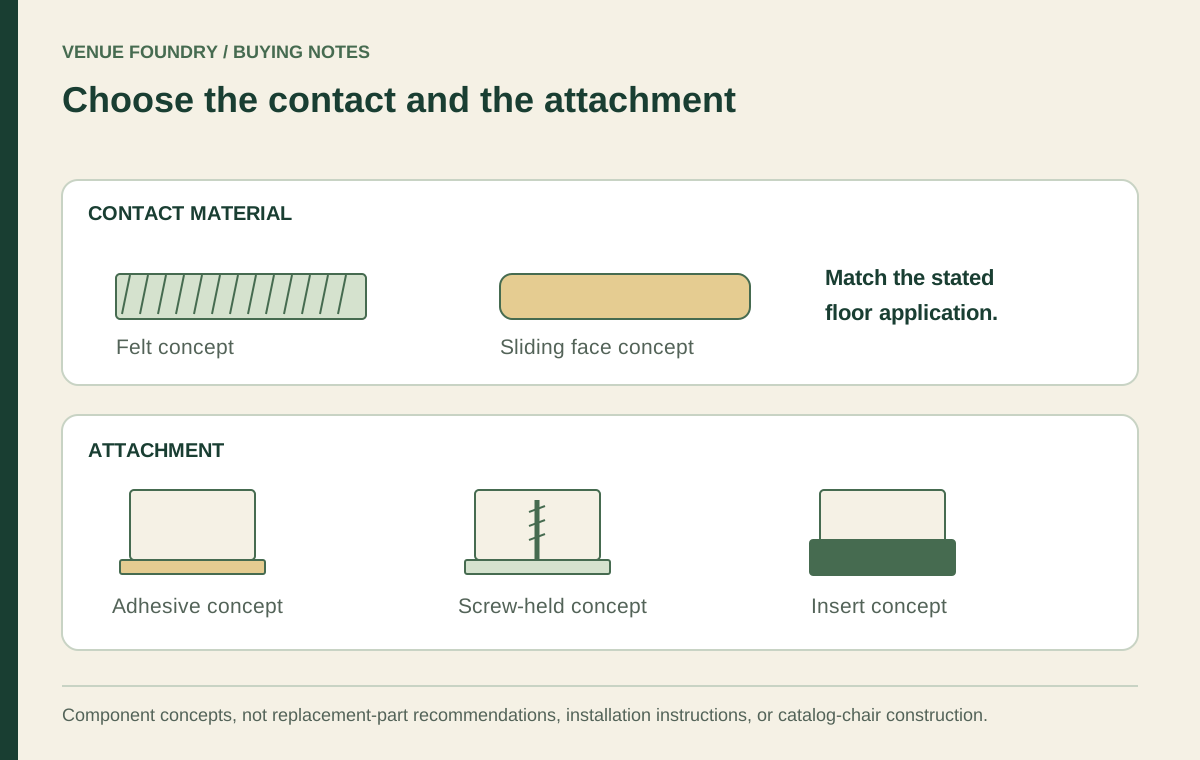
Moving a chair also raises questions about the supplied glides and the intended flooring. Ask for compatible product information and retain the flooring reference. Do not assume that a lower product weight eliminates marking, noise, or maintenance concerns.
Read the glide review guide before noting the component and any confirmed replacement path in the furniture record. The materials guide explains why care questions should refer to the selected product rather than a general frame category.
An existing chair with a condition concern should be assessed through the appropriate process before it joins a handling trial. A movement comparison is not a way to diagnose a damaged joint, altered component, or unstable product. Keep condition review distinct from preference testing.
Compare a purchasing cost with an operating question
Record the current configured chair price and required quantity. Then list any confirmed additional scope connected with the proposed handling arrangement, such as an approved storage accessory. Keep unknown costs visibly unresolved instead of folding them into an invented ownership total.
Before choosing the final candidate, check these points:
- The stated weight and dimensions belong to the exact model being considered.
- The sample task matches a real activity in the venue's operating routine.
- Storage, floor compatibility, and approved handling information have their own review status.
Include the full order's receiving requirements through delivery planning. A chair that staff can reposition in the room may still arrive in packaging with separate access requirements. Confirm those details for the actual shipment rather than relying on the product photograph.
Save a handling decision the next reviewer can use
Attach a concise outcome to the chosen room line. Explain which task was reviewed, which configuration was used, and whether any question remains open. A later replacement buyer can then see why the original chair was selected without inventing the missing reasoning.
Review current information in the basket before following the ordering steps. The furniture budget should describe the selected product, while the operating notes describe the work it was reviewed for. Keeping both records clear makes lightweight a checked attribute within a larger decision, rather than an unsupported promise about the whole room reset.