The project notebook
Restaurant chairs: compare the configured cost before choosing a frame
A chair budget becomes easier to defend when every candidate represents the same purchasing decision. Begin with the seat your dining room needs, including the offered upholstery or wood seat, the frame finish, and the quantity. The material name belongs in that record, but it cannot carry the comparison by itself.
Wood and metal restaurant chairs can both appear in a useful shortlist. What matters at this stage is whether the selected versions meet the room brief and whether the recorded prices describe those versions. Comparing an unfinished selection with a fully configured alternative creates a difference that may disappear before either chair reaches the basket.
Open diagram at full size (new tab) ↗
Start with a matched chair brief
Write the requirements before collecting prices. Identify the intended room, the table pairing, the needed quantity, and any dimension that has already been approved. Keep preferences separate from requirements. A preferred frame color can be reviewed; an unresolved fit question needs an answer before the purchase proceeds.
Browse restaurant chairs with that brief beside you. Open each product page and inspect its listed specifications. Overall width and depth describe a different part of the decision from seat dimensions. Record what the listing actually provides, and leave a missing measurement as a question rather than estimating it from the photograph.
If the room uses bar stools as well, retain those as separate candidates. A matching family may help the visual plan, but the taller product can have different options and pricing. A chair price should never stand in for the paired stool merely because their backs look alike.
Compare the selected version
Choose the offered seat and frame options before recording a unit amount. Where a configuration requires a price check, complete it. Save the resulting version to the budget planner with a room name that another reviewer will recognize.
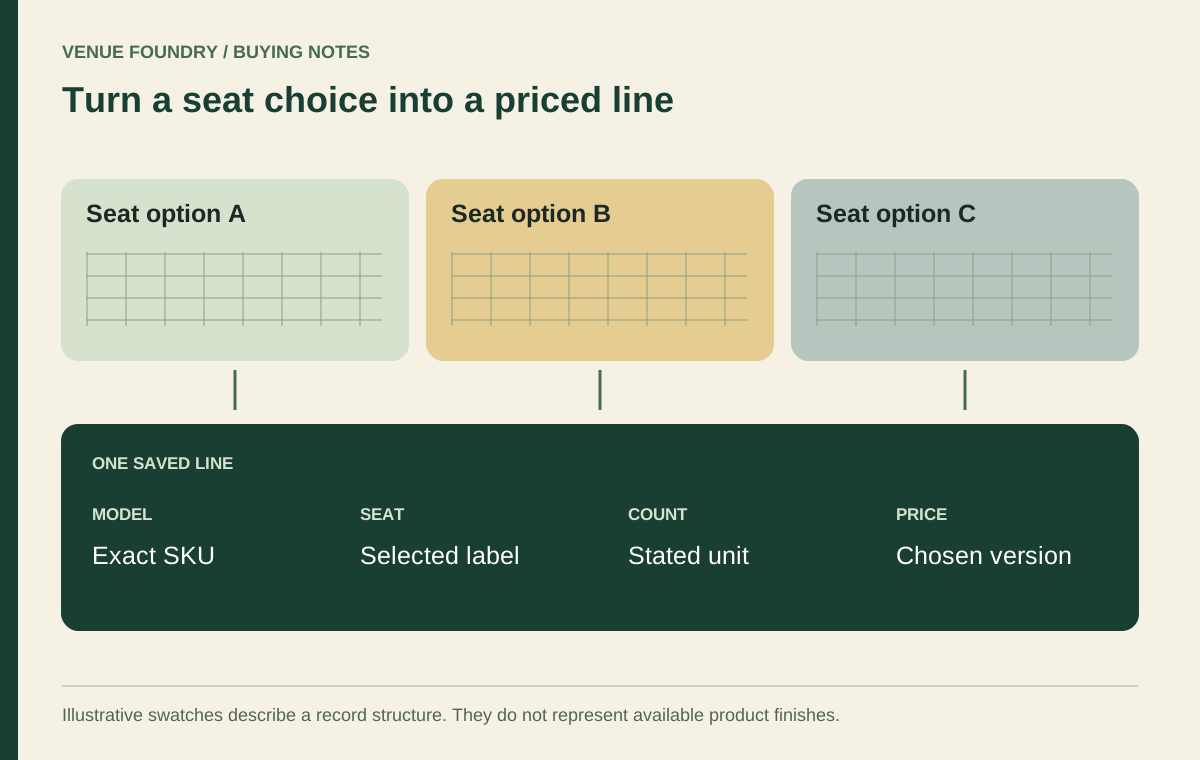
The saved line should answer a simple question: what would this amount buy? A SKU identifies the model, while the selected labels identify the version under review. If one candidate has an upholstered seat and another has a wood seat, label that difference explicitly. It may be an intentional tradeoff, but it should not be hidden inside a material comparison.
Read the materials guidance when a finish image needs interpretation. A selected thumbnail supports identification; it does not establish a physical color match under the venue's lighting. Keep any sample approval separate from the on-screen selection so the purchasing record shows what is settled and what remains open.
Read a real pair without inventing an ownership result
The October 17, 2026 catalog snapshot lists wood-frame chair FRU-401070 at $172 per item and a stated weight of 14 pounds. It lists metal-frame chair FRU-236-CL-ERAT at $130 per item and 13 pounds. Both records state indoor use. These dated amounts are comparison references; open the current pages before purchasing.
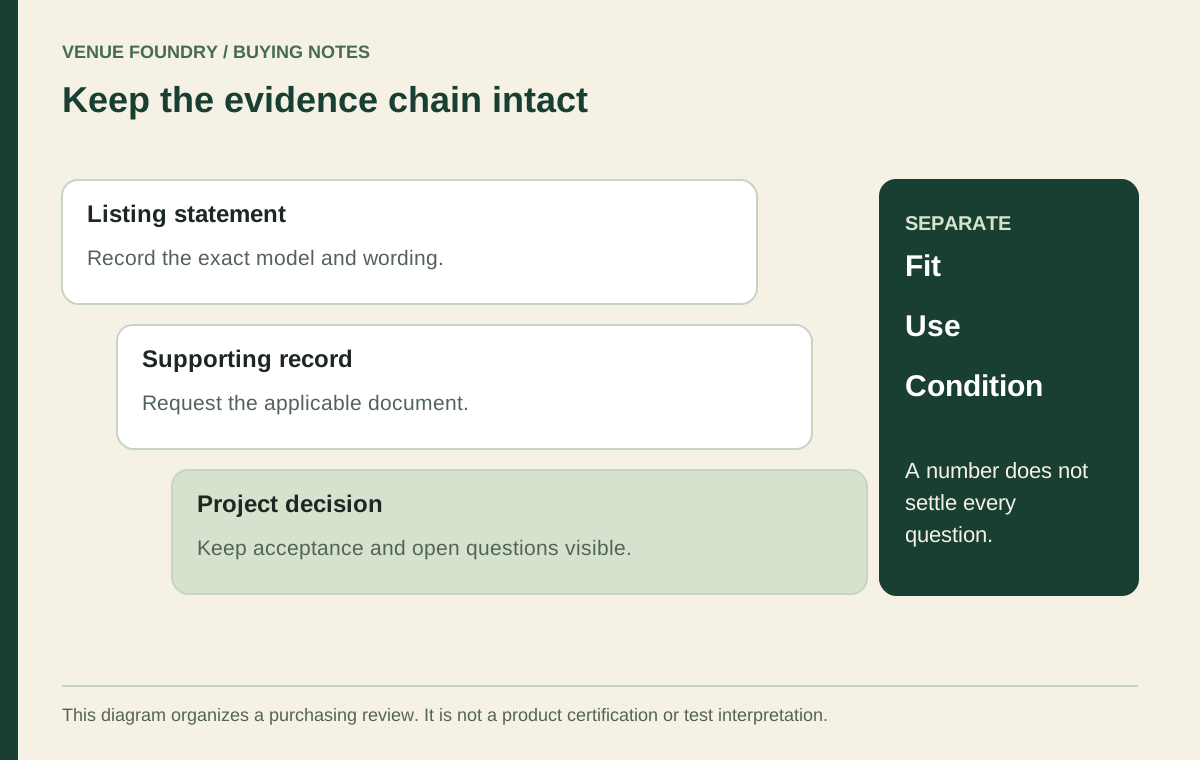
That pair establishes a price and weight difference between two identified products. It does not prove equivalent fit, care requirements, replaceable parts, or warranty coverage. Those fields need their own information. The wood model's listed width is 17 5/8 inches, while the metal model's is 16 inches, so even this simple comparison carries a dimensional difference that the room review must consider.
Multiply quantities only after the unit is clear
Check the stated selling unit and any listed minimum quantity. Then use the count from the current room plan. A chair quantity should represent the reviewed furniture arrangement, including any deliberately identified spare items, rather than a target derived from the available budget alone.
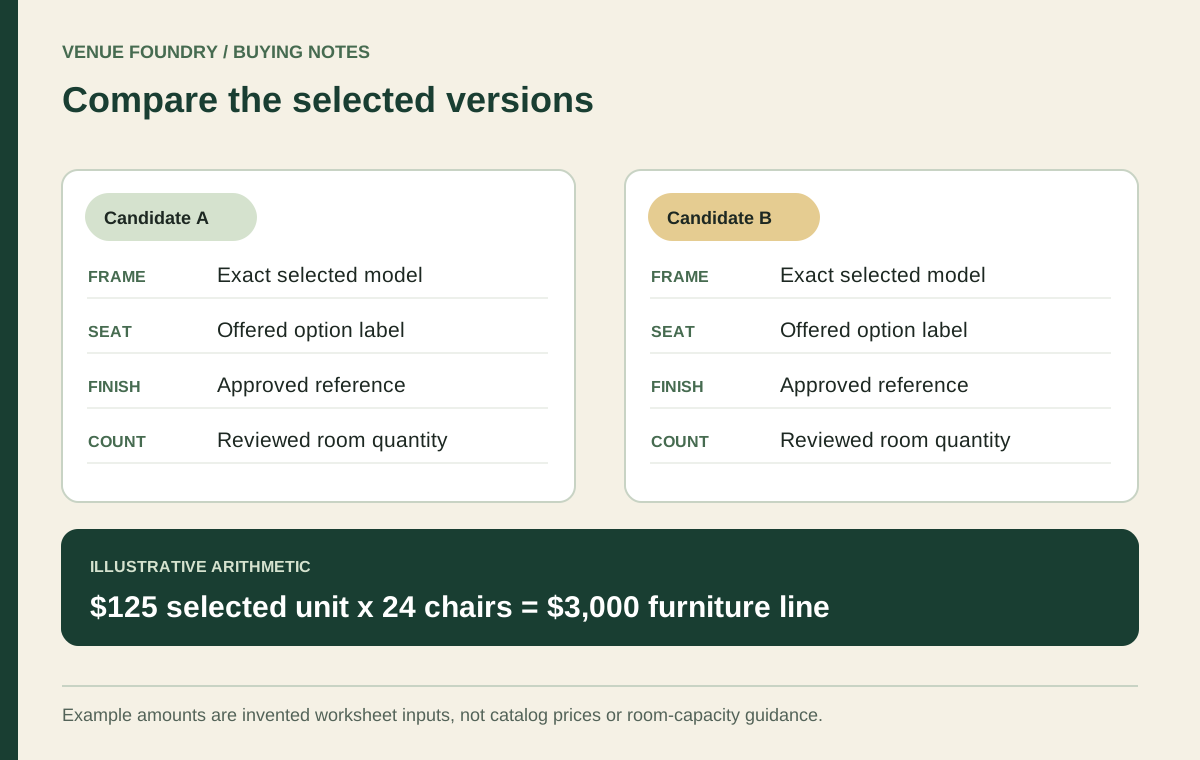
For an arithmetic illustration, a selected unit amount of $125 multiplied by 24 chairs produces a furniture line of $3,000. These are invented worksheet inputs, not a catalog price or a suggested room capacity. Replace both with the actual configured amount and the approved quantity before using the result in a project.
The same calculation applies to a second candidate, but the required count may differ if its dimensions change the reviewed arrangement. Compare the complete room totals only after that layout question has been resolved. The room planning notes help keep furniture schedules distinct from approval of the physical plan.
Put ownership questions beside the purchase price
A lower initial amount does not establish a lower lifetime cost. Equally, a more expensive chair does not prove that repairs or replacements will be cheaper. Those conclusions require evidence about the actual model and the way the venue uses it.
Ask for the product's care instructions, available service information, and any confirmed replacement components relevant to the decision. Record an answer only when it applies to the selected model. If replacement seat compatibility is important, the seat replacement comparison provides a way to keep that question separate from the frame price.
Handling deserves a place in the review as well. Staff may move chairs during cleaning or room changes. Arrange an appropriate sample evaluation instead of translating a material label into a claim about weight or ease of handling. The chair handling guide explains how to record the actual task without inventing time savings.
Compare the missing parts of the commercial scope
Keep the furniture subtotal distinct from shipping, tax, assembly, and other charges that have not been confirmed. Two product totals are only comparable when the same inclusions and exclusions are visible beside them. Otherwise, a neat number can hide a larger unanswered scope question.
Read the delivery guide when preparing your destination and receiving notes. Note whether the route involves stairs, a loading restriction, or a limited receiving window. These details support a later confirmation; they do not establish a freight amount or a delivery commitment on their own.
Before approving a candidate, check these three points:
- The saved price belongs to the exact seat and frame options being discussed.
- The quantity and selling unit match the current room schedule.
- Unconfirmed charges and product questions remain visible beside the furniture subtotal.
Make the choice explainable
Write a short decision note in the project record. It might say that one candidate met a documented dimension requirement, or that a particular offered seat matched the approved palette. Keep the reason specific enough that a colleague can understand it without repeating the whole selection process.
Avoid turning that note into a claim the evidence cannot support. A frame material alone does not prove a service life, a universal strength rating, or a financial return. If a reviewer asks why a higher-priced selection was retained, answer with the actual approved requirements and confirmed differences.
When the chair decision changes, revise the affected configured line and save the project. Download a fresh sheet before sharing it. An older sheet remains a record of an earlier discussion, so its amounts should not be silently treated as current.
Carry one clear chair decision into the order
Review current prices and options before moving the chosen lines to the basket. Compare the basket against the saved room schedule, including quantities, selected labels, and any remaining notes. Follow the ordering steps when the selection is ready for its final review.
The useful outcome is a chair budget whose meaning survives the handoff. Each amount describes a specific configuration, each quantity belongs to a room, and each unresolved issue has a visible place. That makes the wood or metal decision a documented purchasing choice instead of a contest between two incomplete price tags.