The project notebook
A restaurant chair weight capacity is a question for the exact model
A weight-capacity figure can help a buyer identify a question that needs model-specific evidence. It should stay attached to the exact chair record where it appears. Moving the same number into a room specification for several different chairs changes the claim and can make the schedule misleading.
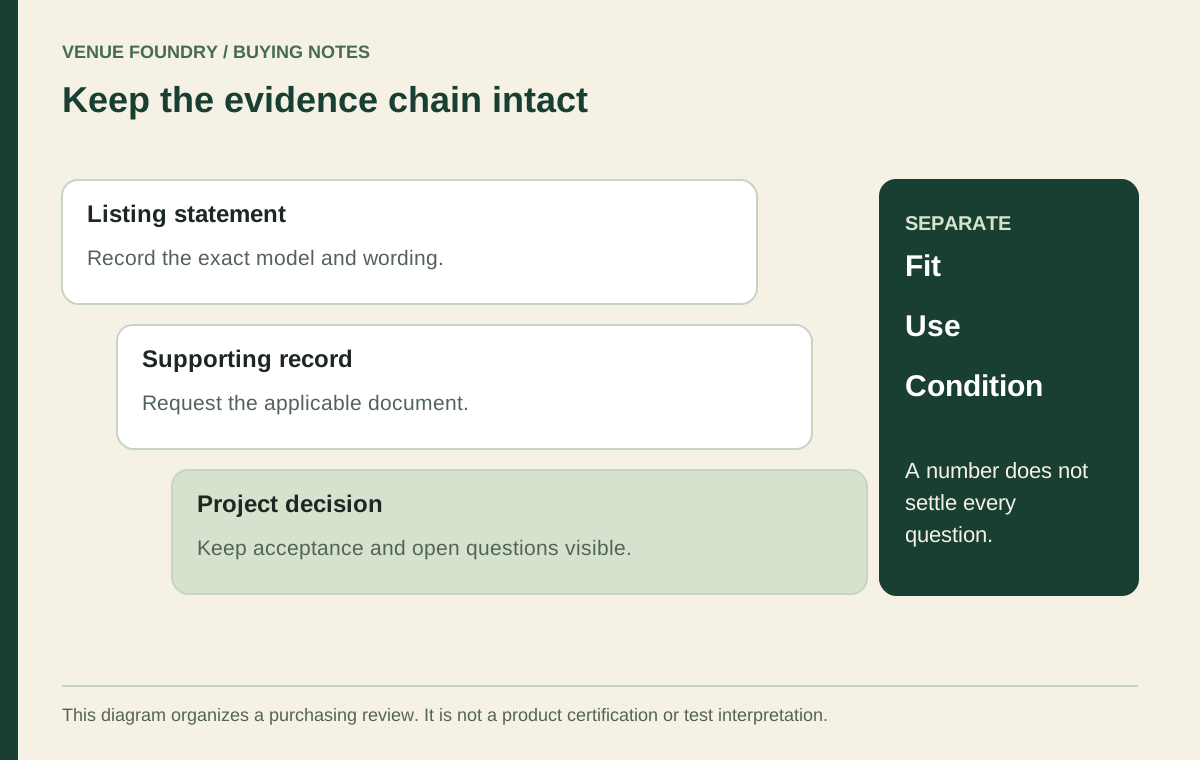
Before approving a purchase, decide what evidence the project requires. The product listing, a supplier's written answer, and an actual test report are different records. Keep their roles clear. This guide organizes the purchasing review; it does not certify a chair or interpret a test result on behalf of a qualified reviewer.
Open diagram at full size (new tab) ↗
Keep the number attached to the model
When comparing restaurant chairs, open the full product page rather than relying on a category card. Record the SKU and the exact wording of any stated capacity. Include the configuration being considered and the date of the review.
If a capacity is absent, mark it as unconfirmed. Do not infer it from the chair's frame material, appearance, or resemblance to another product. Two wood chairs may share a broad category while differing in construction and documentation.
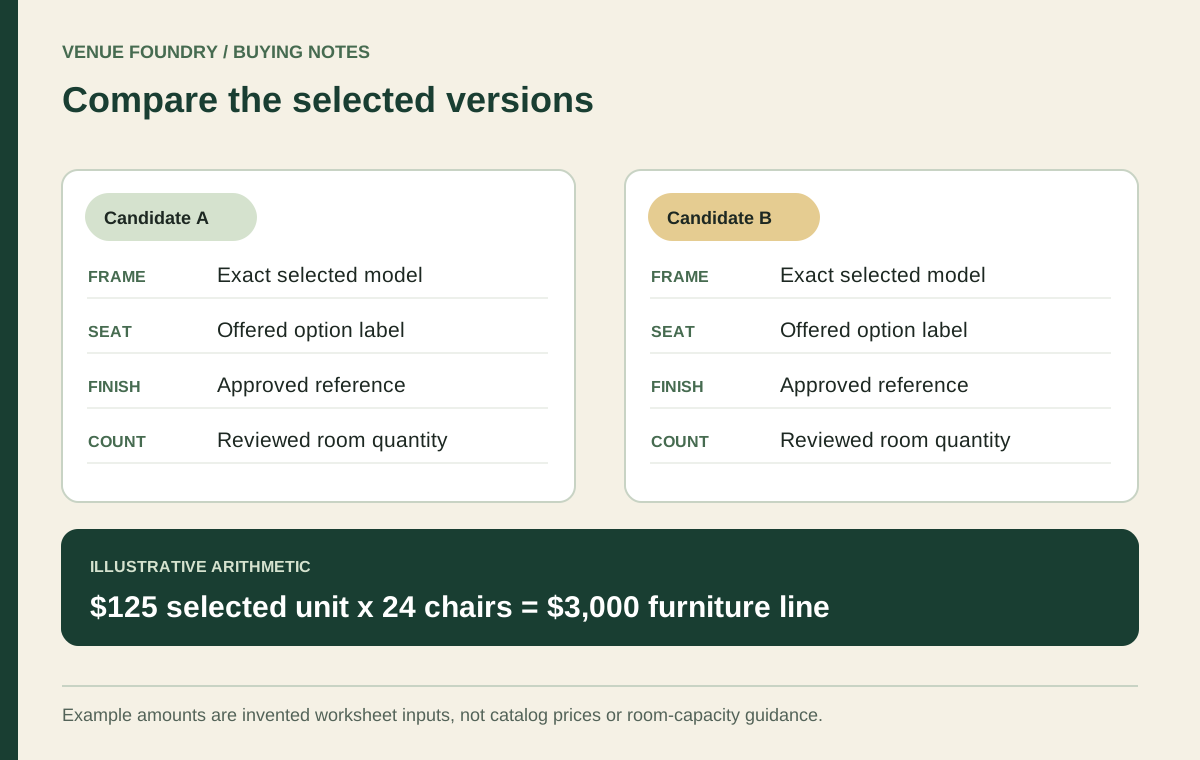
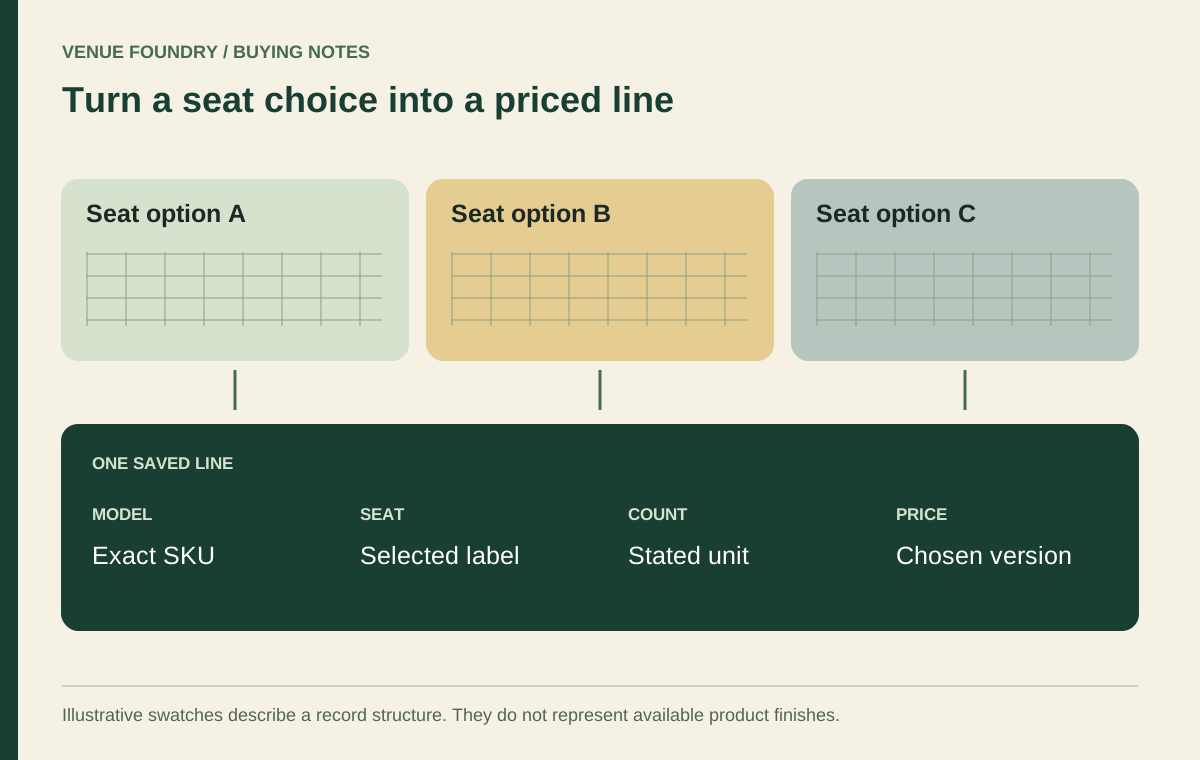
The same discipline applies when a model has several offered versions. Ask whether the stated information covers the selected seat, frame, or other configuration. A saved option label is useful identification, but it is not itself evidence that every configuration shares the same rating.
For example, the October 17, 2026 record for chair FRU-401070 states a 500-pound weight capacity. That sentence reports the listing's field. It does not identify a test method, a certification, or a warranty remedy, because those are separate records. A buyer who requires that evidence should request it for this exact model rather than extending the number to the whole chair category.
Ask what the statement is based on
Prepare a short, specific information request. Identify the product and ask for the documentation supporting the published statement, including any limitations relevant to its intended commercial use. Avoid asking only whether the chair is strong, because that wording leaves the evidence undefined.
Where a report is supplied, retain the document reference and the model identification it contains. Check whether the reviewed product and the proposed purchase are actually the same. Questions about test methods, interpretation, or suitability should go to the party qualified to answer them.
A useful record separates these stages:
- A capacity statement was found on the exact product listing.
- Supporting documentation was requested or received for that model.
- The project reviewer accepted the evidence or identified an unresolved question.
These are review statuses, not grades of furniture quality. They help the team avoid treating an unanswered request as an approval.
Do not turn a rating into a comfort promise
Seat dimensions, arm restrictions, table relationships, and entry space are separate buying considerations. A capacity figure does not tell the reviewer whether the intended seating arrangement feels suitable to the people who will use it. Keep those decisions beside the evidence review rather than collapsing them into one number.
The sample evaluation guide provides a way to collect practical feedback on a proposed chair and table pairing. Such feedback should be described as observations from that evaluation. It is not a substitute for product documentation or a claim about every guest.
Compare tables with their intended chairs as part of the room plan. A chair may meet a stated product requirement while still leaving an unresolved clearance or movement question in the actual arrangement. The planning guide explains the distinction between layout review and a priced furniture list.
Retain the limits alongside the evidence
Read the supplied instructions and restrictions as part of the purchasing file. If the intended setting involves outdoor use, confirm that separately. A capacity statement should not be treated as permission to place an indoor product in a different environment.
Use outdoor furniture only as a browsing route, then return to the exact product's stated use. Category membership is not a replacement for a model-specific review. Keep any exposure or placement question visible until an appropriate answer is available.
Similarly, avoid carrying a new-product statement into a decision about damaged or altered furniture. Condition concerns require their own assessment. The replacement reserve article shows how observed condition can be recorded without assigning a universal lifespan or making a remote diagnosis.
Compare price after the evidence requirement is clear
Set the project's documentary requirement before choosing the lowest-priced candidate. Otherwise, the team may spend time configuring a chair that still lacks information needed for approval. A shorter shortlist with clearly identified evidence can be easier to review than a large group of superficially similar products.
Save the selected version in the budget planner and attach the unresolved question in the notes. Do not write approved in a note while a report is still pending. Use a status that another person can understand without having attended the previous conversation.
When comparing unit prices, follow the configured chair comparison. Seat options, finishes, and quantities should be matched before the amounts are discussed. The evidence review remains a separate column, so a price difference does not hide a missing requirement.
Build a handoff that preserves the question
Download the saved project sheet after the selection and notes have been reviewed. Keep the supporting documents with the wider project records, using a reference that connects them to the configured line. A photograph alone is not an adequate filing system for several similar models.
Before transfer to the basket, review current product information. If the model or selected configuration changes, check whether the previous evidence still applies. Copying an old line into a new room preserves its text, but it cannot decide whether a previous approval remains relevant.
Follow the ordering process and leave unresolved evidence requests explicit. Sending an order record by email does not make an unanswered product question disappear. The reviewer should be able to identify the exact chair and the exact information still needed.
Buy from a record you can explain
A disciplined capacity review ends with a clear chain: the listed model, the statement found, the supporting information received, and the project decision. That chain is more useful than a large number copied into a generic furniture spreadsheet.
Keep the language proportionate to the evidence. Describe what the listing states and what the reviewer accepted, without inventing a certification or a universal guarantee. The budget can then move forward with a documented product choice and an honest account of its remaining limits.