The project notebook
Restaurant furniture inventory replacement planning: compare the actual work
Restaurant furniture inventory replacement planning begins with the installed stock and the work the venue needs it to do. A visible mark, an unavailable spare, and a change in room requirements can lead to different decisions. Grouping them together under replace old furniture makes the budget harder to explain.
Build a replacement program from identified items, specific observations, and reviewed options. Separate continued use, qualified service review, and new purchasing scope. The budget should describe the actual decision being considered rather than assume every piece has the same life or needs replacement on a fixed calendar.
Open diagram at full size (new tab) ↗
Establish the inventory that the decision covers
Count furniture by room and complete configuration. Keep stored spares distinct from items assigned to service. Retain model references and selected options so a replacement inquiry can identify the actual product instead of relying on a general description.
Use the room-planning guide to connect that stock with the current operating arrangement. A change in the venue's layout may create a new requirement even when the existing furniture remains usable. Record that requirement separately from a condition concern.
The chair comparison guide helps retain the complete selection when reviewing restaurant chairs. Matching names do not necessarily mean matching seat options, finishes, or dimensions. The replacement scope needs the same level of detail as the original purchase.
Record the reason for each proposed action
Describe the observed issue or changed requirement precisely. A seat covering concern differs from a structural question, and both differ from a desire to change the room palette. Keep the reason attached to the affected item or clearly defined group.
Have the responsible qualified party assess serviceability or repair questions under the applicable product instructions. This article does not diagnose furniture or authorize continued use. A budget record can preserve the observation and proposed route without pretending to be an inspection result.
Read the materials guide before requesting care information for the actual selected product. Do not treat a cleaning experiment as a substitute for a condition assessment. An unverified assumption that a mark can be removed should not be used to eliminate a cost from the plan.
Compare defined service and replacement scopes
For a service option, identify the actual work proposed, parts, labor, transport, and any other confirmed charge. For a replacement option, identify the configured new product and the quantity. Keep differences in scope visible instead of comparing one complete amount with another partial amount.
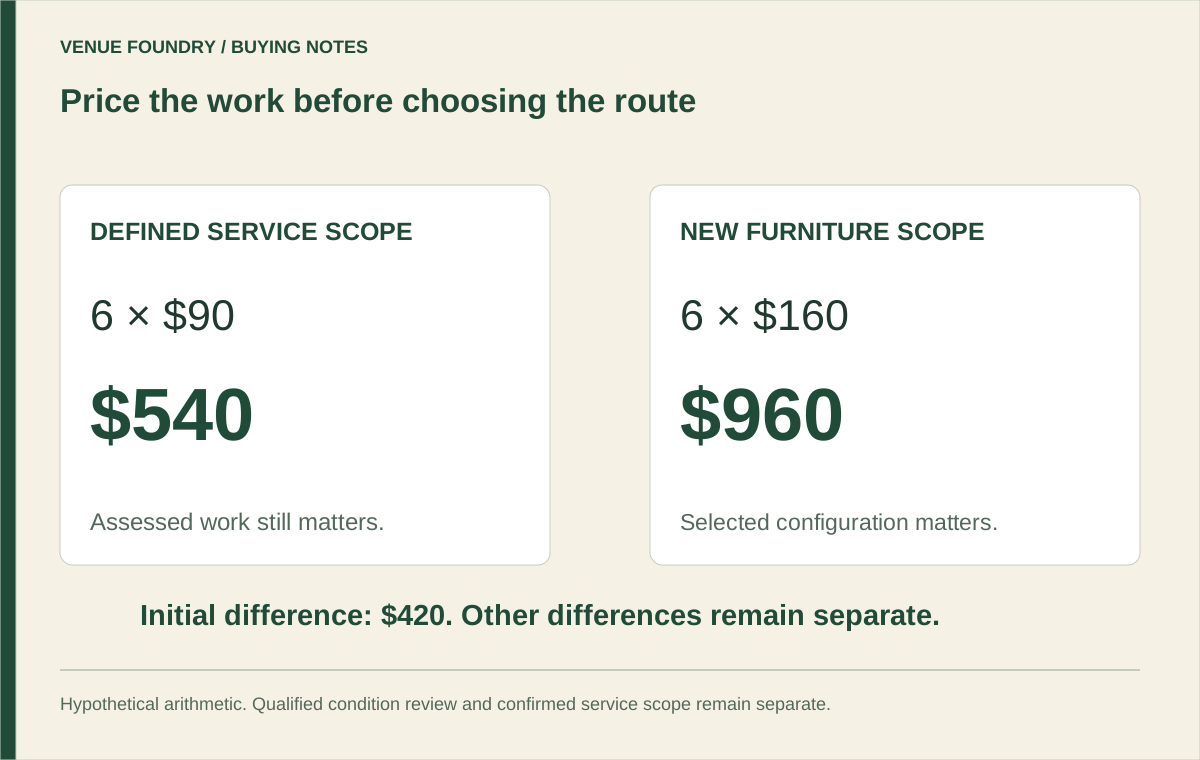
An invented example can make the arithmetic clear. Suppose a reviewed service proposal totals $90 per chair for six chairs, or $540. A new configured alternative costs a hypothetical $160 per chair, or $960 for six. The initial difference is $420 before any other differing costs are included.
Those figures do not establish equal remaining life, suitability, appearance, or warranty. They only compare the stated amounts for the invented scopes. Use the itemized price brief to retain the actual inclusions and unresolved questions before choosing a route.
Account for the furniture unavailable during the work
Identify how the proposed work affects the operating inventory. If items leave the site for service, determine which room assignments need a temporary plan. Do not assign a revenue-loss figure without evidence about the venue's actual operation and the specific period involved.
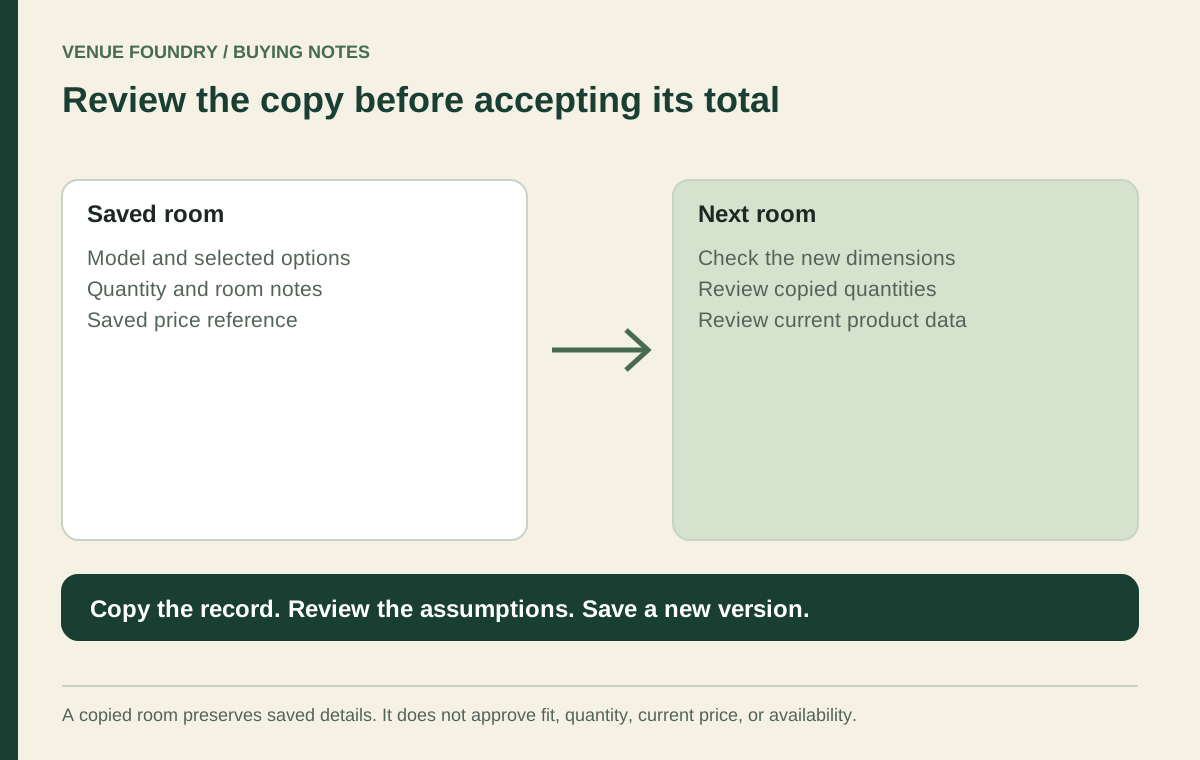
Keep the temporary arrangement separate from the permanent replacement count. An existing spare may cover a short gap without becoming a new purchase. A borrowed or transferred item needs its own reviewed suitability and assignment record.
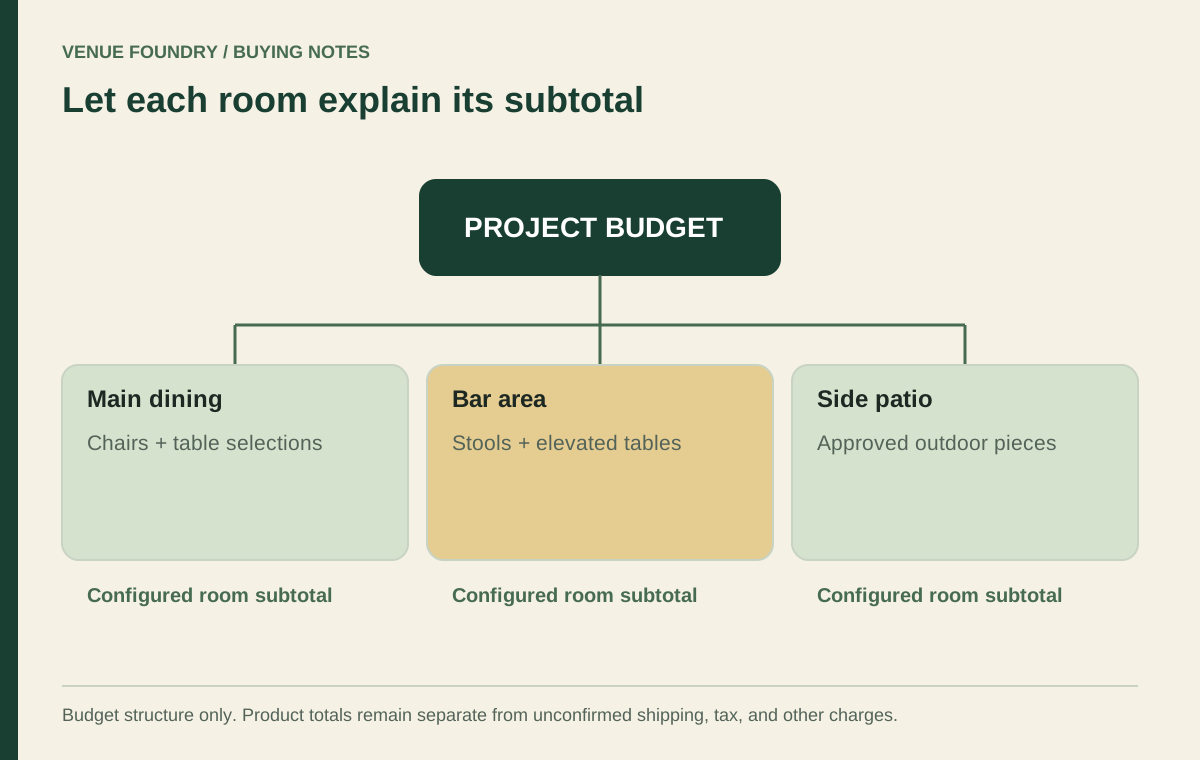
The budget planner can retain the proposed permanent scope by room. Keep operational assumptions in the supporting project notes so the furniture subtotal is not confused with a fully measured business-impact calculation.
Decide whether to replace an item or a visible group
Replacing one item may preserve the original scope, while replacing a complete group can change the appearance and budget more substantially. Compare the available product with the retained furniture before deciding which scope the venue needs.
Use the current catalog to identify actual alternatives and offered configurations. An old model may still be available with different options, or a proposed replacement may be a different product entirely. Keep those distinctions visible rather than calling every alternative a direct match.
For tables, determine whether the decision concerns the complete assembly or an applicable component. A new top should not be placed on a retained base without the relevant compatibility review. The lower component price is not a complete justification on its own.
Build the timing around evidence rather than a fixed lifespan
Use the condition review, confirmed service availability, and current purchasing information to plan the work. Avoid assigning every chair a universal replacement age. The product, use, care, and actual observations belong in the decision.
Keep urgent unresolved serviceability questions separate from discretionary appearance changes. The responsible team should determine the appropriate action for the former. The latter can be considered within the venue's broader budget and planned room updates.
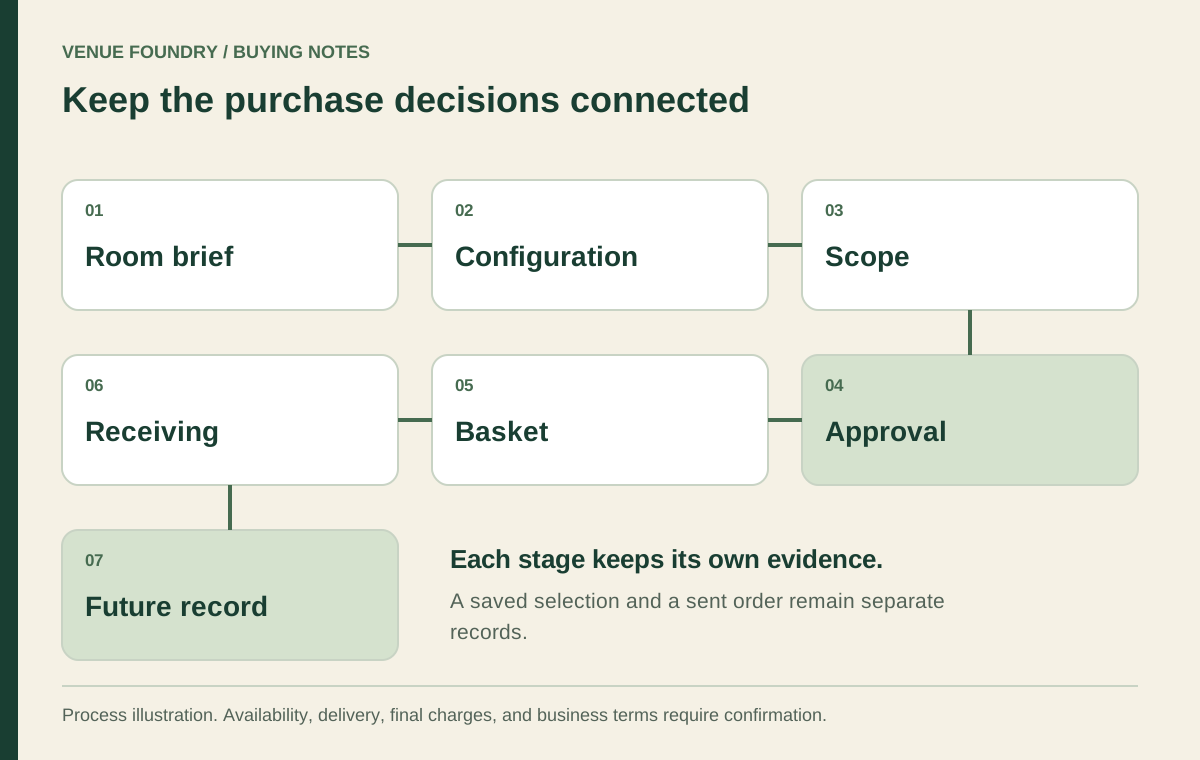
The ordering timeline guide helps connect the selected scope with current confirmations. If the project is phased, identify which items belong to each phase and how the retained inventory will be reconciled between them.
Keep the budget current as the decision develops
Record the current configured prices and the actual service proposal used in the comparison. Separate confirmed amounts from allowances. The room-by-room budget guide helps keep those distinctions visible when several rooms are being reviewed together.
Use delivery planning for the selected new purchase and any separately arranged service transport. Review the current changes information before relying on a remedy. A replacement program should not assume that every removed item will receive a refund or credit.
Follow how ordering works with only the new quantity being purchased. Retained stock, items undergoing assessment, and alternative scenarios belong in the supporting record rather than being combined into an ambiguous order.
Leave a reason behind every replacement line
The completed program should explain which furniture is changing, why that scope was selected, and what the compared amounts include. It should also preserve any question that remains unresolved instead of hiding it inside a general contingency.
Keep the installed inventory current after the work is completed. The next replacement review then begins with identified furniture and a readable decision history, rather than another count built from memory.