The project notebook
Commercial bar stools: compare the offered wood, vinyl, and fabric seats
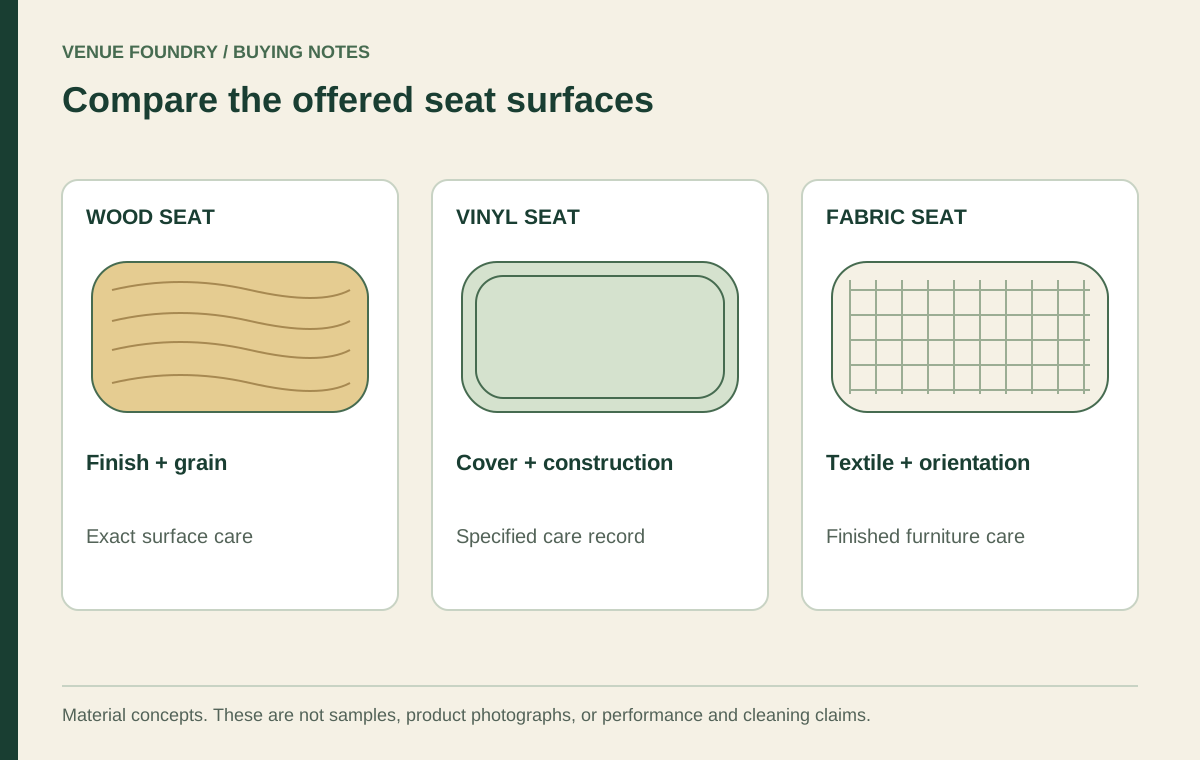
Wood, vinyl, and fabric seats change different aspects of a bar stool. Wood brings a visible finished surface without a padded covering in the offered wood-seat configuration. Vinyl and fabric selections bring upholstery choices whose appearance, construction, and care need to be understood together.
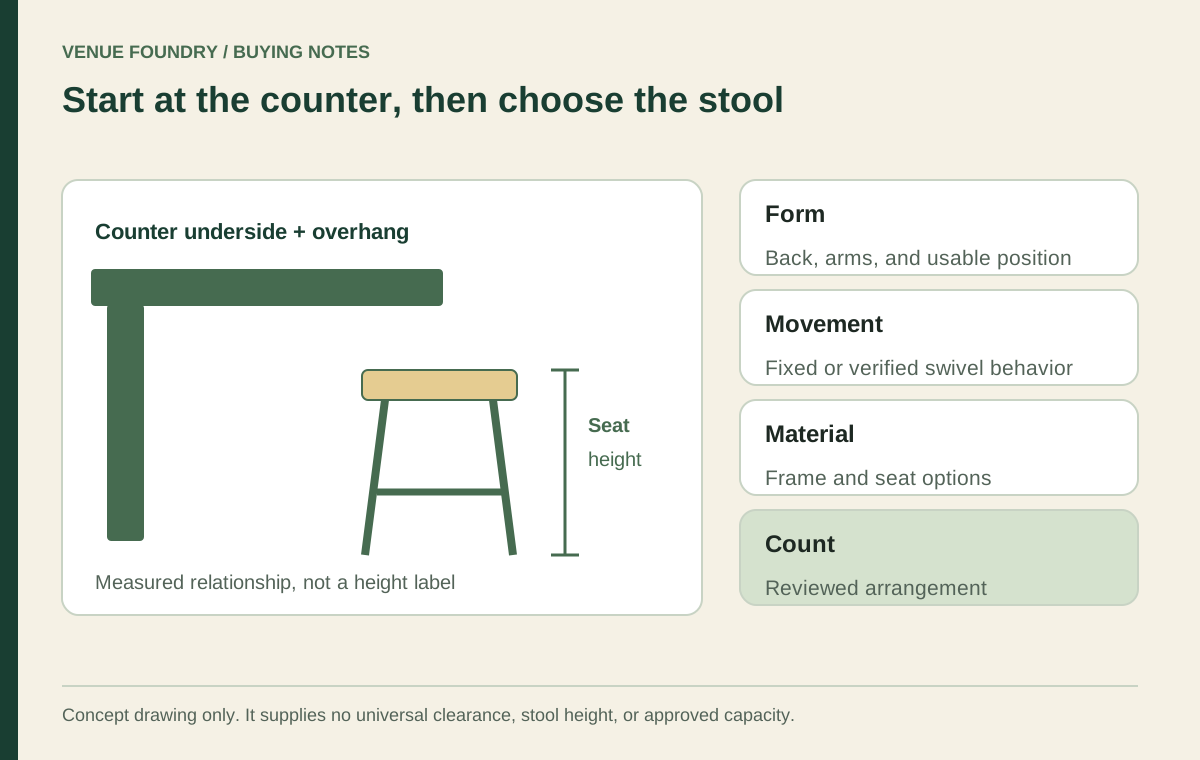
The right comparison starts with options actually offered for the same stool, where possible. That keeps the frame, back, and counter relationship more consistent. Use the bar stool selection guide to establish the candidate before deciding which seat surface belongs in the purchase.
Open diagram at full size (new tab) ↗
Start with the offered branches
An option menu is not a list of interchangeable words. Choosing a seat type may reveal a different set of finishes or upholstery labels. The selected price and image need to follow that branch, while the basket retains the complete text description.
The October 17, 2026 record for model FRU-10427-BS-SW lists Wood Seat and Padded Vinyl Seat. Its wood choices include Dark Mahogany, Cherry, Walnut, and Natural. The vinyl branch lists Black, Wine, and T03 Red. Fabric is not an offered seat branch in that record, so it should not be assumed available for that model.
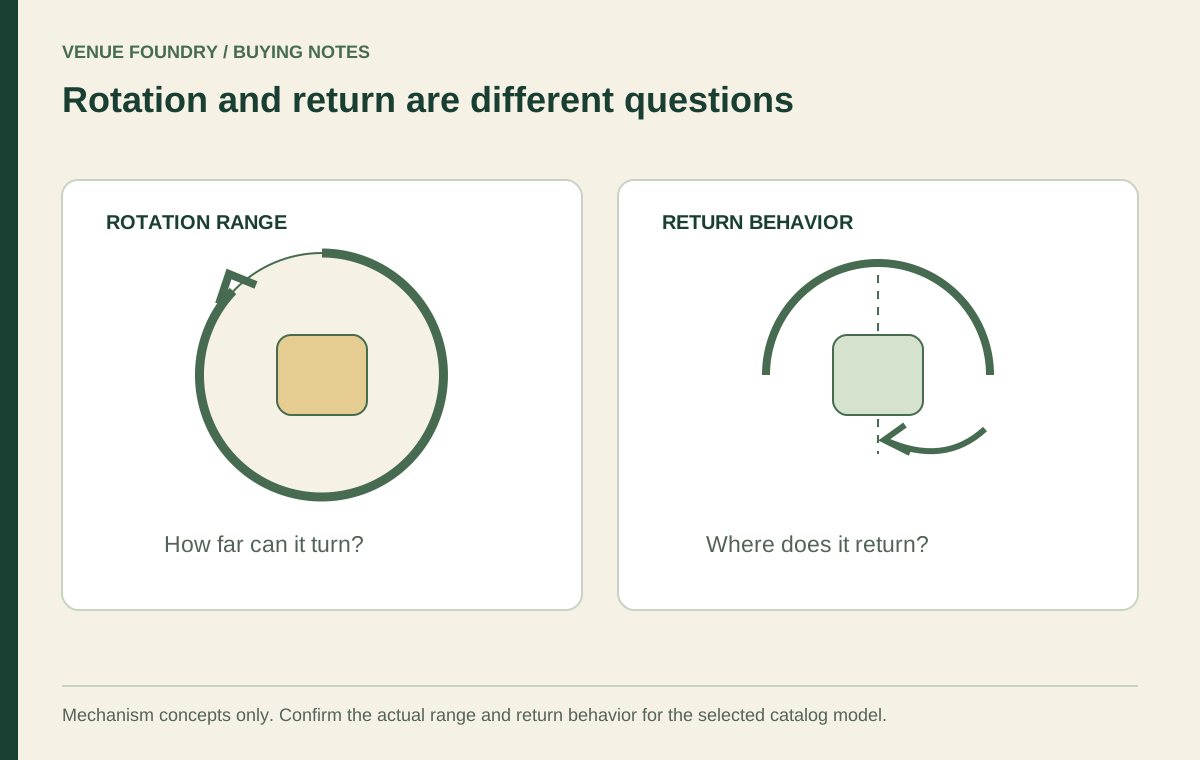
By contrast, model FRU-BSB-134 lists Wood Seat, Padded Vinyl Seat, and Padded Fabric Seat. It is also a bolt-down swivel model, so moving to it changes more than the upholstery menu. The fixed-location guide explains the additional decision that comes with that selection.
What a wood seat changes visually
A wood seat can repeat another wood surface or provide contrast against a painted frame. Grain, color, sheen, and edge shape contribute to that relationship. The finish label identifies the offered choice, but it does not promise a physical match to an existing countertop with the same color name.
Review the exposed seat with the counter and floor rather than studying a swatch alone. The finish approval article describes this material relationship. A dark seat may read as a continuous part of a dark frame, while a lighter finish may make the seat shape more noticeable. Those are design possibilities to examine, not guaranteed effects in every room.
The product's finish-care instructions govern cleaning. A wood seat is not an unfinished piece of lumber, and its surface should not be assigned a cleaning method based only on the word wood. Keep the coating information and permitted routine with the selected model.
What a vinyl choice needs to answer
Vinyl is a material category, not a universal stain or chemical-resistance claim. The exact coated upholstery, surface treatment, seams, and furniture construction affect the care information a buyer needs. A smooth appearance in a photograph does not establish compatibility with the venue's cleaning products.
Manufacturers publish care guidance for their particular upholstery families. Some distinguish ordinary cleaning from methods for specific contamination and warn against unsuitable cleaners. The practical lesson is to identify the supplied material and obtain its instructions, rather than copying a chemical recipe from another vinyl product.
The materials guide can help organize that inquiry. Compare the seat's actual construction as well as its cover: the shape of the upholstered pad, edge treatment, and how it meets the frame may affect cleaning access. Do not claim a measurable labor saving unless the venue has observed and documented it.
What a fabric choice needs to answer
Fabric adds a visible textile surface, which can introduce pattern, texture, or a different visual softness. A small sample may show color but not how a larger pattern sits across the seat. If a directional design is involved, clarify the intended orientation before approving the appearance.
Care varies by textile and by the finished furniture. Even a fabric manufacturer that permits a particular method may distinguish indoor and outdoor applications or removable and attached upholstery. An offered fabric name does not establish that a stool cushion can be removed or machine washed.
Review upholstered seating as complete products. The frame and upholstery combination should support the venue's care routine and visual brief. A performance claim from a different textile should not be transferred to a catalog option simply because the two samples look alike.
Compare seated feedback without ranking all materials
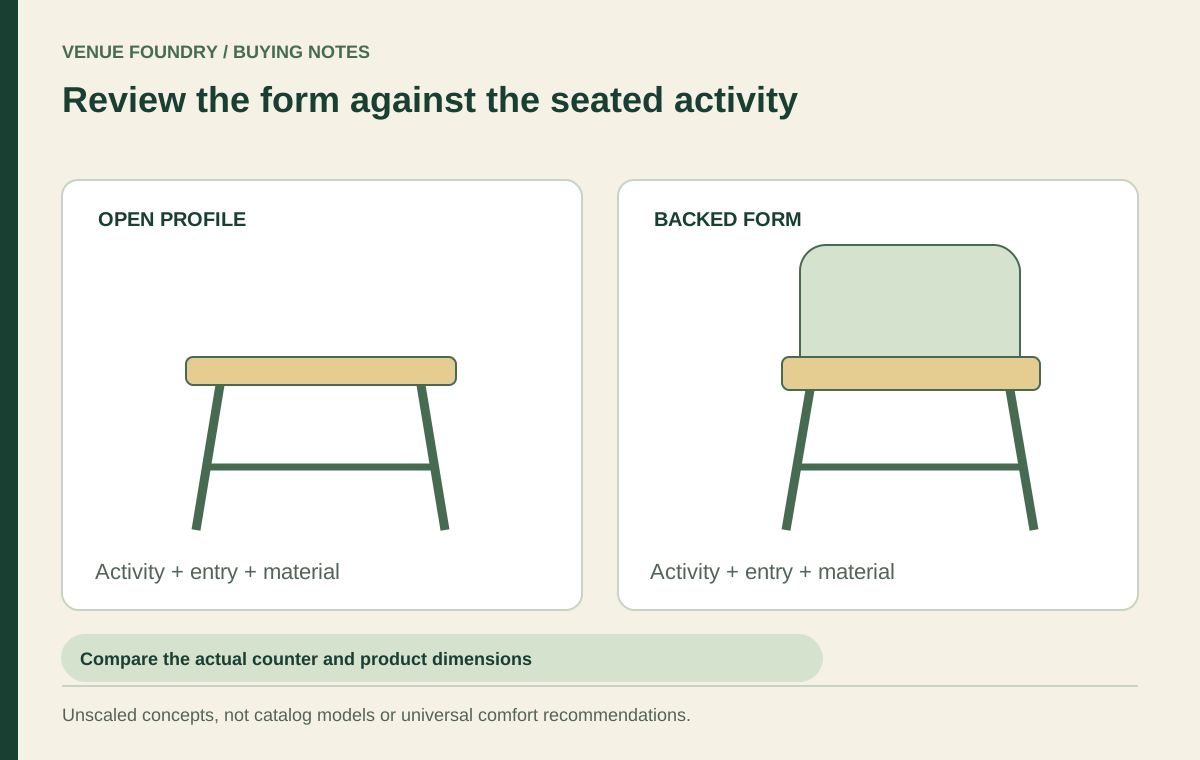
Padding, shape, seat depth, and the counter relationship influence how a particular sample feels. A padded seat is not automatically the preferred choice for every guest, and a wood seat is not automatically unsuitable for a meal. The back-form guide makes a similar distinction between form and individual experience.
If samples are available, compare the actual offered configurations at the intended counter. Ask reviewers about entry, seated position, foot support, and use of the counter. Keep their comments with the specific configuration rather than turning them into a universal statement about fabric, vinyl, or wood.
A change of seat type can also change the visual proportion of the stool. Review the sample from across the room. The mixed-chair style article offers a useful way to think about repeated relationships without requiring every surface to match.
Keep each surface choice attached to its price
Use a comparison with separate fields for seat type, exact finish or upholstery label, selected image, configured unit price, and quantity. A saved thumbnail supports recognition; it does not replace the option text. If two colors are needed, keep them on separate lines with their own quantities.
The budget planner should reflect the selected version of each stool. Do not multiply a starting price after choosing an option that changes the total. Questions about a material, part, or configuration can be sent through contact before the line is finalized.
Approve a seat, not a material stereotype
The useful result is an offered seat configuration that fits the counter, appearance, care routine, and purchasing scope. Wood, vinyl, and fabric provide different choices, but their broad labels cannot settle all those questions. The actual product and selected surface carry the decision.
Follow the ordering steps with the full option record visible. Retain the accepted material references with the project so a later addition can be reviewed against the same intent. That makes the choice repeatable without pretending that every future batch or replacement will be visually identical.