The project notebook
Restaurant bar stools with arms: carry the occupied width into your count
Arms change more than the outline of a bar stool. They introduce another surface beside the seated guest and another possible contact with the counter. When the stool turns, that surface may travel into a different part of the arrangement from the legs beneath it.
The buying question is therefore wider than whether an arm stool looks more substantial. A project needs to understand entry, seated use, and the relationship to the counter before deciding the quantity. Use the arm bar stool collection to create a shortlist, then evaluate the actual configurations against the actual bar.
Open diagram at full size (new tab) ↗
Overall width is only the starting dimension
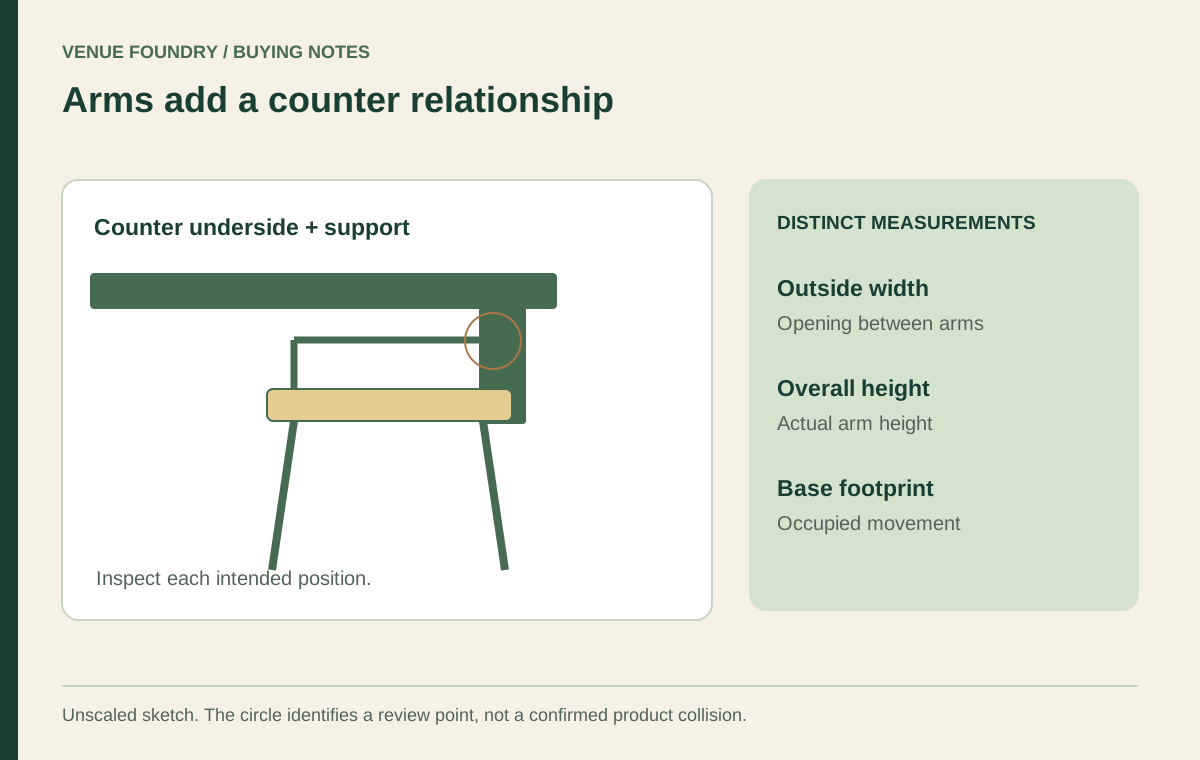
A published width describes the outside dimension stated for the product. It does not necessarily describe the opening between the arms, the usable seat width, or the occupied width while someone eats. Those are different measurements with different purposes.
The October 17, 2026 record for model FRU-134-BS-AR identifies an indoor metal stool with arms and a swivel seat. Its stated overall size is 22 inches wide by 20 1/4 inches deep by 42 inches high. Those dimensions help establish a candidate's scale, but they do not establish arm height or a complete rotation envelope.
Another arm model, FRU-114-BS-AR, is listed at 22 1/4 inches wide by 19 inches deep by 42 inches high. Its window back differs from the ladder back of the first model. A quarter-inch difference in width should not distract from the larger questions about the selected form, counter fit, and how a guest reaches the seat.
Examine the counter underside, not just its top
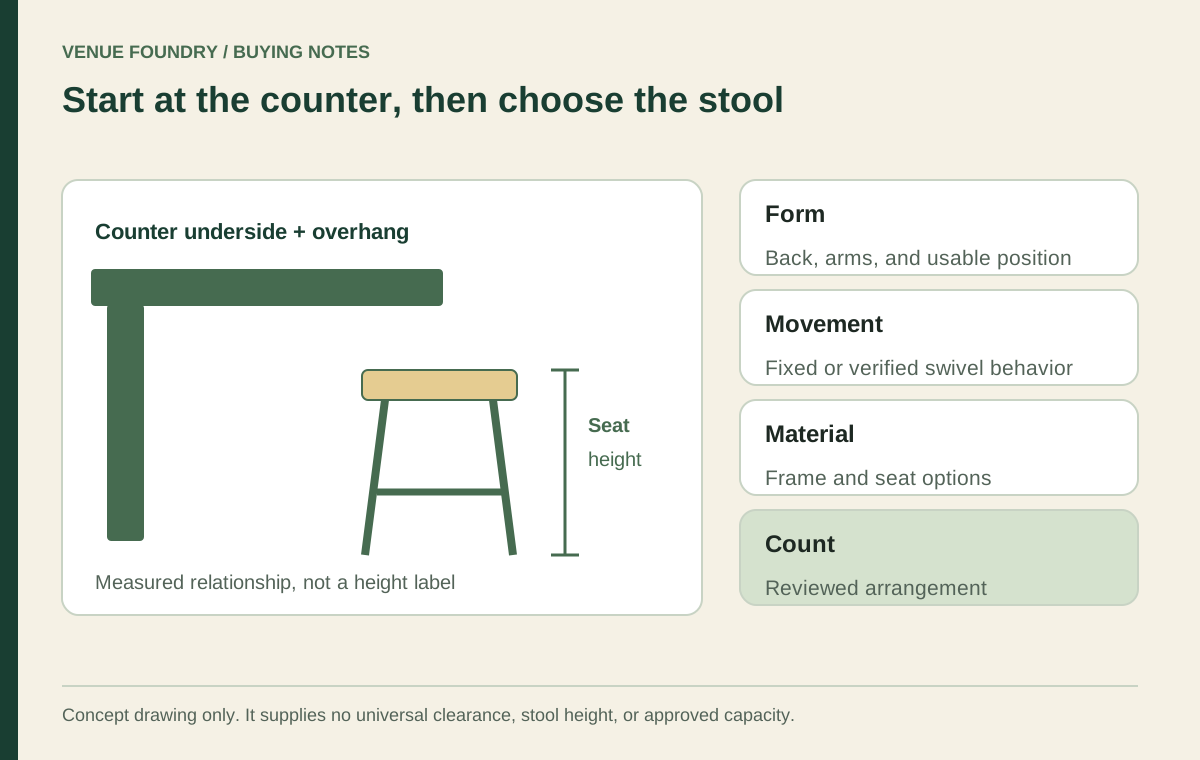
An arm can meet an apron or support before the seat reaches its intended position. A counter may appear generous from above while having an obstruction below. This is why the counter selection guide treats the underside and overhang as separate parts of the brief.
The relevant measurement is the relationship between the actual arm and the actual counter at the intended position. Do not substitute the product's overall height for its arm height. A tall back tells little about whether an arm passes below the edge or where the guest will sit relative to a plate.
Include trim, brackets, footrails, and changes in counter thickness in the review. A sample checked at an unobstructed middle section may not represent the end position beside a support. Follow the furniture layout guide, then mark those differences on your own schedule so affected stool positions remain distinguishable from the rest of the row.
Turning changes the shape of the question
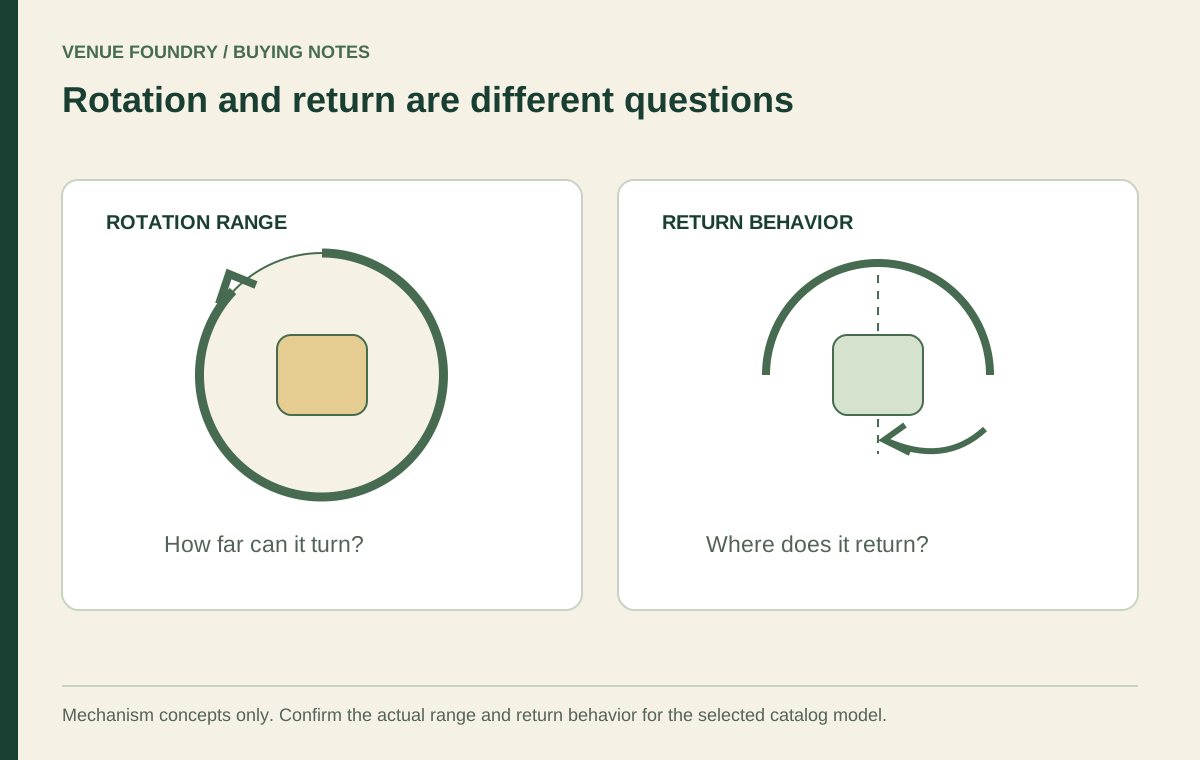
A swivel seat may help a guest face an approach direction without moving the stool's base. Its arms can also sweep through space as the seat rotates. The amount and direction of movement depend on the particular mechanism and furniture geometry.
The rotation and return discussion explains why a swivel label alone is incomplete. A return position may matter to how an unoccupied row appears, while the permitted rotation affects use. Neither property removes the need to examine neighboring seats and the counter during movement.
Do not draw an arbitrary circle around a catalog width and call it the approved clearance. An occupied review needs the selected stool, permitted movement, and real surroundings. Keep the results separate from the product's published dimensions. They are project observations, not new specifications for every installation of that model.
Review entry before assigning the count
Arms can define the seated area, but they also affect how the guest approaches it. Consider entry from the side and from behind where those approaches occur in the plan. The seat form, counter distance, nearby stools, and any rotation all contribute to the experience.
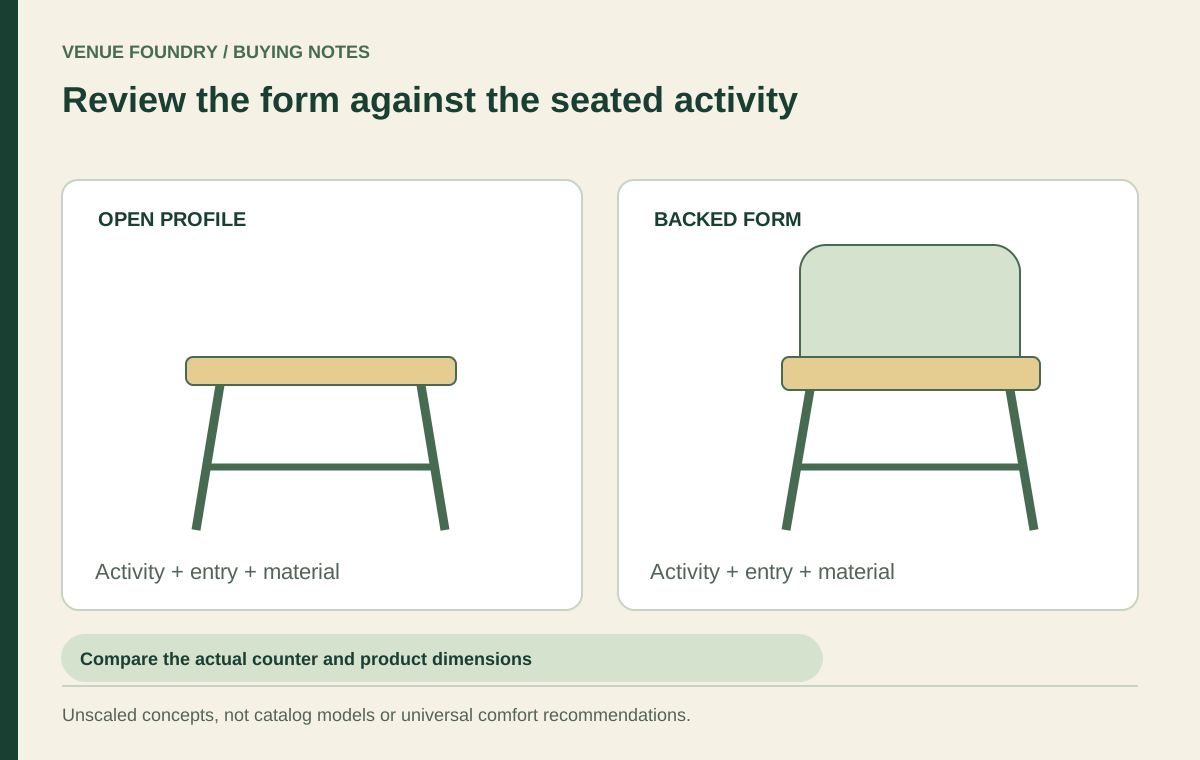
Use a simple sequence during an available sample review: approach, enter, settle, use the counter, turn if permitted, and leave. Repeat it with the actual meal setting. The backed stool guide provides a related discussion of how the seating activity changes the questions being asked.
A useful record includes both accepted positions and exceptions. An end stool may need a different orientation, while a position beside a structural feature may be unsuitable for the same model. Do not average those differences away by dividing the total counter length by a generic stool width.
Compare the cost of reviewed arrangements
The arm decision can alter the number of selected units, but that outcome must come from the project review. There is no honest universal formula stating that arms cost a restaurant a particular number of seats. A different back, base, or seating arrangement can change the result as well.
For a clearly hypothetical comparison, suppose one reviewed alternative uses eight configured stools at $180 each and another uses seven at $205 each. The furniture subtotals would be $1,440 and $1,435. These invented figures illustrate why unit price alone cannot describe the cost of the complete arrangement. They are not catalog prices or recommended capacities.
Use the budget planner to retain the alternatives separately. Name the assumption behind each quantity and keep shipping, tax, installation, and other unconfirmed charges outside the furniture-only arithmetic. The room budget article explains how those separate amounts remain visible during review.
Keep the approval specific
Before choosing an arm stool, the purchasing record should answer these questions:
- Which model and seat configuration were reviewed?
- What are the outer width, usable opening, and arm-height information?
- Where does the arm sit relative to the counter underside?
- What movement is permitted, and what occupied movement was evaluated?
- Which positions and quantities were accepted in the room plan?
Keep the finish and upholstery selections with that record. Changing from a wood seat to a padded seat may deserve another look at the sitting position, even when the frame remains the same. The purchase decision guide helps connect the configuration to its approval.
Give each arm stool a considered place
An arm stool earns its place through the whole arrangement: how it looks, how someone enters, where the arms meet the counter, and what happens during normal movement. A strong visual preference can start the shortlist, but it should not settle the count by itself.
Send unresolved dimension or mechanism questions through contact before finalizing the order. When the answers and the reviewed plan agree, the basket can contain a clear selection with a defensible quantity. That is a more useful basis for spending than a row of attractive stools with untested clearances.