The project notebook
Restaurant booths with tufting or smooth panels: review the detail at cleaning time
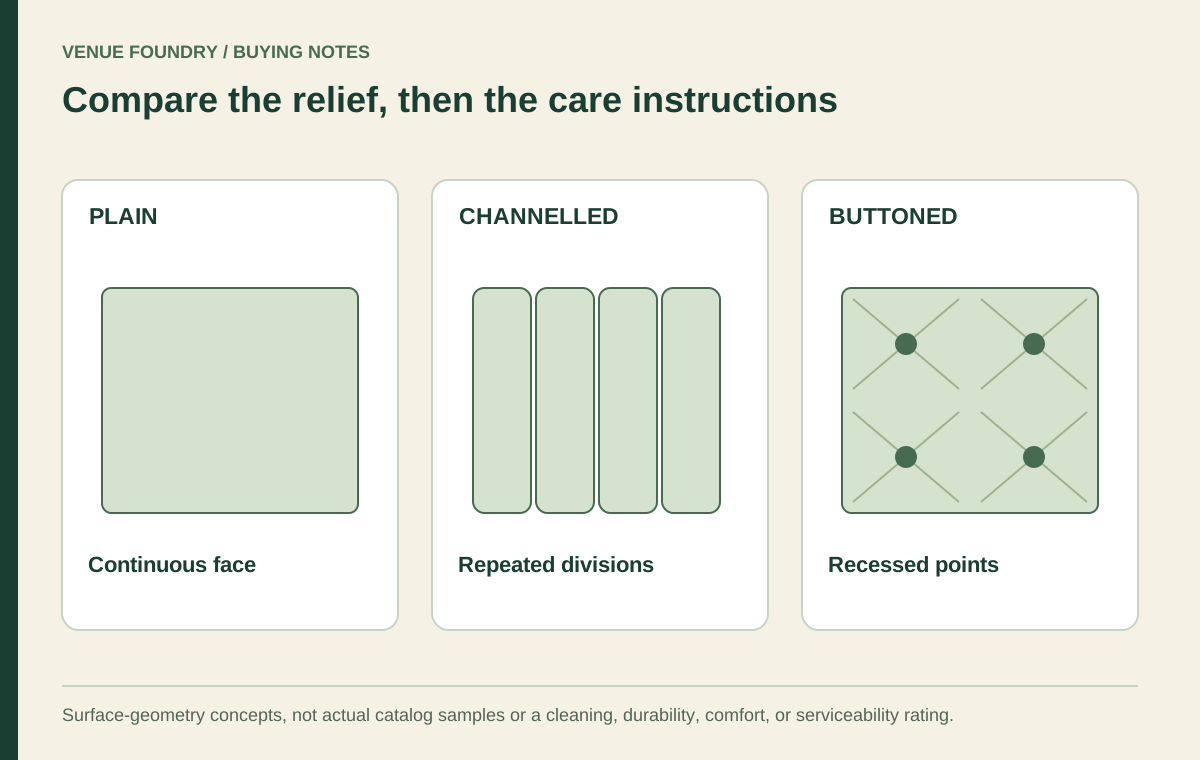
Tufting and smooth panels change the shape of a booth's upholstered surface. A buttoned treatment creates depressions and raised areas. A plain panel presents a more continuous face. Those differences affect the visual pattern and the places a cleaning routine must reach, even when the selected upholstery material is similar.
Choose between them by reviewing the actual detail at the scale of daily use. A distant photograph explains the room's style, but it may conceal the depth of a recess, the seat-to-back junction, or the way seams meet at an end. Those details deserve a closer view before the design is repeated across a whole section.
Open diagram at full size (new tab) ↗
Understand the relief before choosing the color
A tufted back creates a repeating pattern through changes in surface depth. Light and shadow help define that pattern, so the treatment can remain visible even in a single solid color. A smooth back relies more heavily on the material's color, texture, and overall panel proportions.
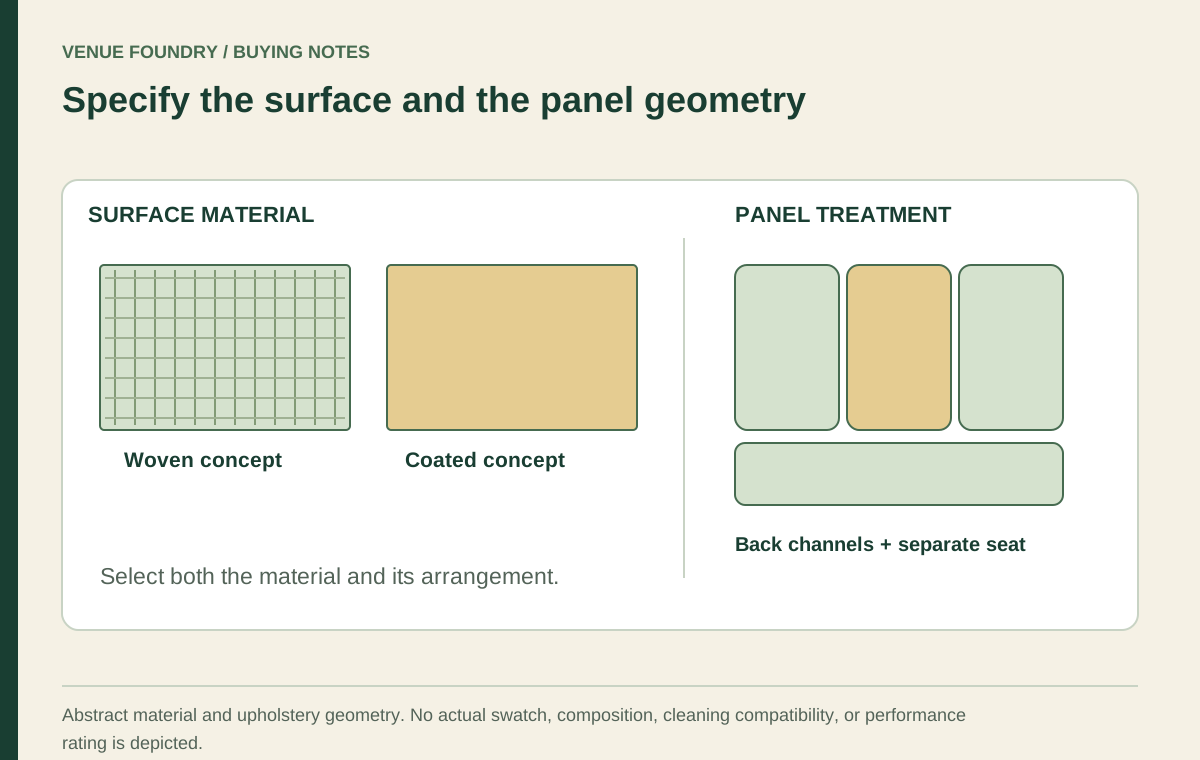
The October 17, 2026 FRU-BT-BT record described a button-tufted back model with fabric or vinyl back choices and a separate padded vinyl seat. The treatment and the material are therefore two selections to consider, rather than one inseparable style label.
For comparison, FRU-BT-PL presented a plain-back configurable model with its own upholstery and dimension controls. The two listings provide a practical starting point for a matched brief. Choose the actual height, shape, and materials before assuming the visible amounts represent comparable versions.
Keep channels distinct from buttons and plain panels
Channels divide the back into repeated bands or sections. They can create a strong vertical or horizontal rhythm without reproducing the recessed points of a buttoned treatment. A channeled back is therefore a third geometry to examine, not merely a lightly tufted version of the same design.
The dated FRU-BT-HZ listing identified a horizontal three-channel back. That orientation can relate differently to a long booth run than narrow vertical divisions. Compare the entire repeated run, including the top line and exposed ends, rather than choosing from a cropped close-up alone.
Browse the wider booth collection to see these treatments side by side. The useful comparison asks which pattern supports the room's proportions and palette. It should not assign a universal level of luxury or comfort to the number of decorative divisions.
Inspect where surfaces meet
The seat-to-back junction can collect material that falls between the components during ordinary dining. The relevant question is how the actual furniture detail handles that junction and how it can be accessed for care. A smooth back does not eliminate the junction, and a buttoned back does not define it completely.
Shelby Williams' BZ range offers a concrete manufacturer example: its description includes a laminated wipeout channel and a removable upholstered inside back. Those are specific construction details for that range. They are not features that should be assumed on the catalog models discussed above.
The example shows why construction information can be more useful than a broad claim that one style is easier to clean. Examine the actual seat edge, junction, end panel, and any relevant serviceable components. The upholstery selection guide separates those questions from the choice of fabric or vinyl.
Review the care route around the surface detail
A flat face, a seam, and a recessed button point present different shapes to the hand and cleaning tool. Review the selected product's instructions with those locations in mind. The routine should address the actual geometry without resorting to an unapproved brush, chemical, or soaking method.
Do not stage a destructive comparison to decide which treatment wins. Aggressive scrubbing can change a sample rather than reveal a reliable service-life ranking. The same applies to applying a cleaner intended for a different surface and then interpreting the result as proof about the entire upholstery category.
Read materials guidance before requesting care instructions for the exact selected upholstery. The seat may require its own material reference even when the back uses the same color family. A successful decorative match does not establish identical construction or identical care across both components.
Think about the scale of repeated decoration
One buttoned booth can be an accent. Ten repeated buttoned backs can become a dominant pattern across the room. The same applies to channels, especially where their alignment creates a visible rhythm along a wall.
Review the treatment with the tabletop pattern and any nearby wall finish. A strongly patterned laminate, a busy upholstery print, and deep back relief can compete when repeated together. The answer may be a quieter material on one component rather than abandoning the preferred booth form.
The height comparison adds another useful dimension. Increasing the back height also increases the area occupied by the decorative treatment. The design decision should consider that area and the sightlines, not only the appeal of one close product view.
Compare repair questions without predicting failures
A decorative button, seam, or upholstered panel may have its own service requirements if damaged. Establish the actual available repair route for the selected model. Do not assume that a button can be replaced locally, that a panel is removable, or that the matching material will remain available indefinitely.
The refurbishment discussion explains why the retained structure and component access matter. That is a better basis for a maintenance conversation than assigning a fictional replacement interval to every tufted booth.
If future material matching matters to the project, retain the exact material and configuration references. Whether additional material or spare components should be purchased depends on availability, storage, and the restaurant's own plan. A speculative reserve should not be presented as a guaranteed way to preserve an exact match.
Price a genuinely matched design brief
In the budget planner, compare the selected tufted, plain, or channeled versions using the same intended room role. Keep height, quantity, and relevant upholstery choices visible. If one alternative changes those variables too, explain the change rather than attributing the entire price difference to the back treatment.
The design review can be concise:
- Does the relief suit the scale of the complete booth run?
- How does the panel meet the seat and exposed ends?
- Can the permitted care routine reach the actual detail?
- Which component-specific repair information is available?
- Are the compared prices based on equivalent selected configurations?
Choose the detail that remains convincing up close
A booth treatment should work in the room's overall composition and at the surface where staff care for it. Plain, channeled, and buttoned backs can each be appropriate when their actual geometry, material, and construction suit the brief. The category name alone is not a maintenance verdict.
Use contact to resolve the specific detail or care questions before final selection. Keep the chosen treatment and material references together. The purchase will be easier to defend when the team can explain both why the back looks right across the room and how its real surfaces will be handled in ordinary service.