The project notebook
Restaurant booths: assess the retained structure before pricing new upholstery
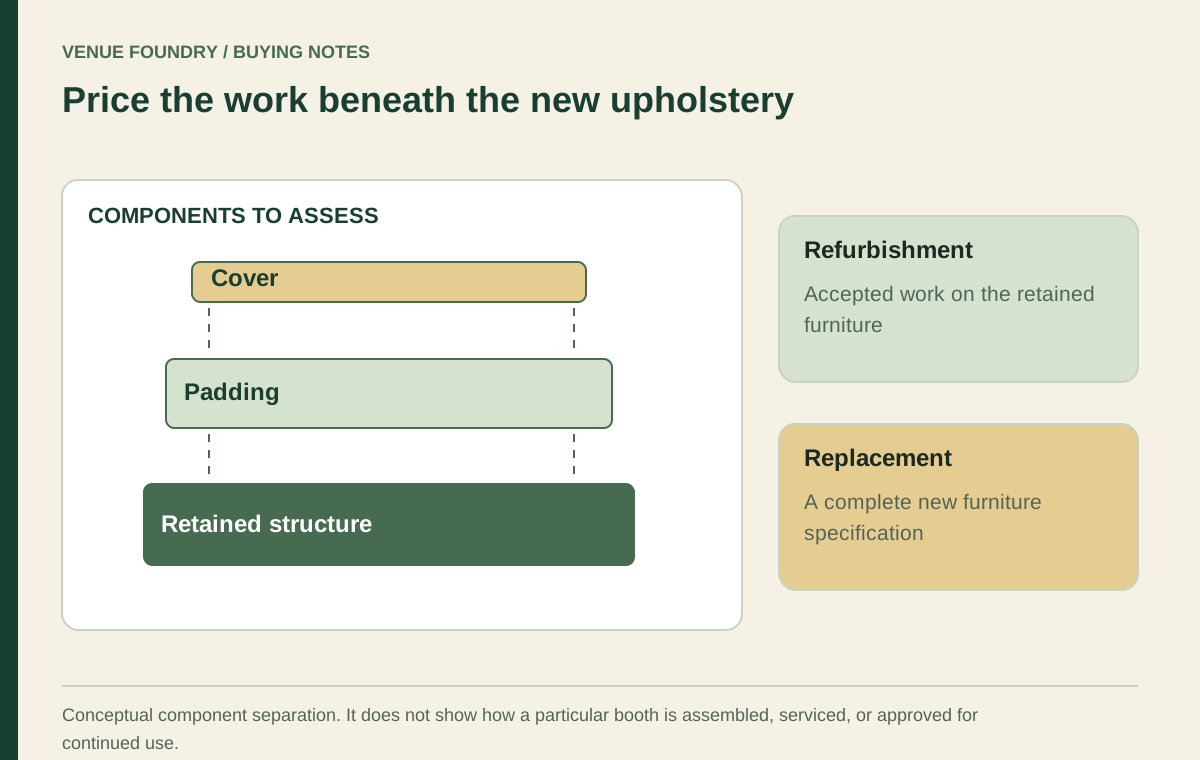
New upholstery can change the appearance of an existing booth, but it cannot answer every problem hidden beneath the surface. The retained frame, support, padding, and attachment method affect whether refurbishment is a sensible purchase. Begin with the condition and construction of the actual furniture, then compare the accepted repair scope with replacement.
The decision is especially important when a booth is part of a fitted run. Replacing the cover may preserve a useful arrangement, while replacing the whole unit may change dimensions, finishes, or the relationship with the table. The lowest visible material price is only one part of that comparison.
Open diagram at full size (new tab) ↗
Separate the visible symptom from the repair scope
A torn cover, flattened-looking seat, loose panel, and unstable furniture body are different observations. They should not all become a request for new vinyl. Upholstery work may address one component while leaving another issue untouched.
Describe the location and extent of the visible condition without diagnosing hidden causes from a photograph. A qualified furniture repair professional can assess whether the work involves the cover alone, padding, support, fastening, or the structure. If the furniture's condition raises a concern about continued use, have it assessed before returning it to service.
The booth buying overview distinguishes seat, back, base, and shape. Those same component distinctions help with existing furniture. The repair request becomes clearer when it names the affected part rather than describing the entire booth as worn out.
Establish what can actually be removed or replaced
Some furniture is built with separately serviceable components, while other upholstery is integrated into a larger assembly. Appearance alone does not establish which construction applies. A seam does not necessarily mark a removable cover, and a visible panel does not prove that a replacement panel is offered.
Seek the original model information, supplier records, and any available service guidance. If those are missing, the repair assessment must establish the actual construction. Do not order a generic seat pad on the assumption that its nominal length will match the retained unit.
The distinction also applies to new products. In the October 17, 2026 FRU-BT-DH record, back choices included wood, semi-padded, and fully padded versions. That option structure describes purchase configurations. It does not establish that those backs are interchangeable service parts for an existing booth.
Decide whether the existing geometry still serves the room
Refurbishment preserves more than the old frame. It often preserves the seat's position, the booth footprint, and its relationship with the table. That can be valuable when the arrangement works well, but it can also preserve a problem the restaurant hoped to solve.
Review the current table arrangement before committing to new upholstery. If entry is awkward or the table feels too far away, replacing the surface material may not change the underlying geometry. The booth fit article identifies the dimensions involved.
A change to padding can also affect the seated relationship, so the accepted refurbishment scope should address the intended finished form. Do not assume that adding more material automatically improves comfort. The useful outcome is a suitable finished seat and back, with the relevant construction reviewed by the person carrying out the work.
Match the material to the actual finished component
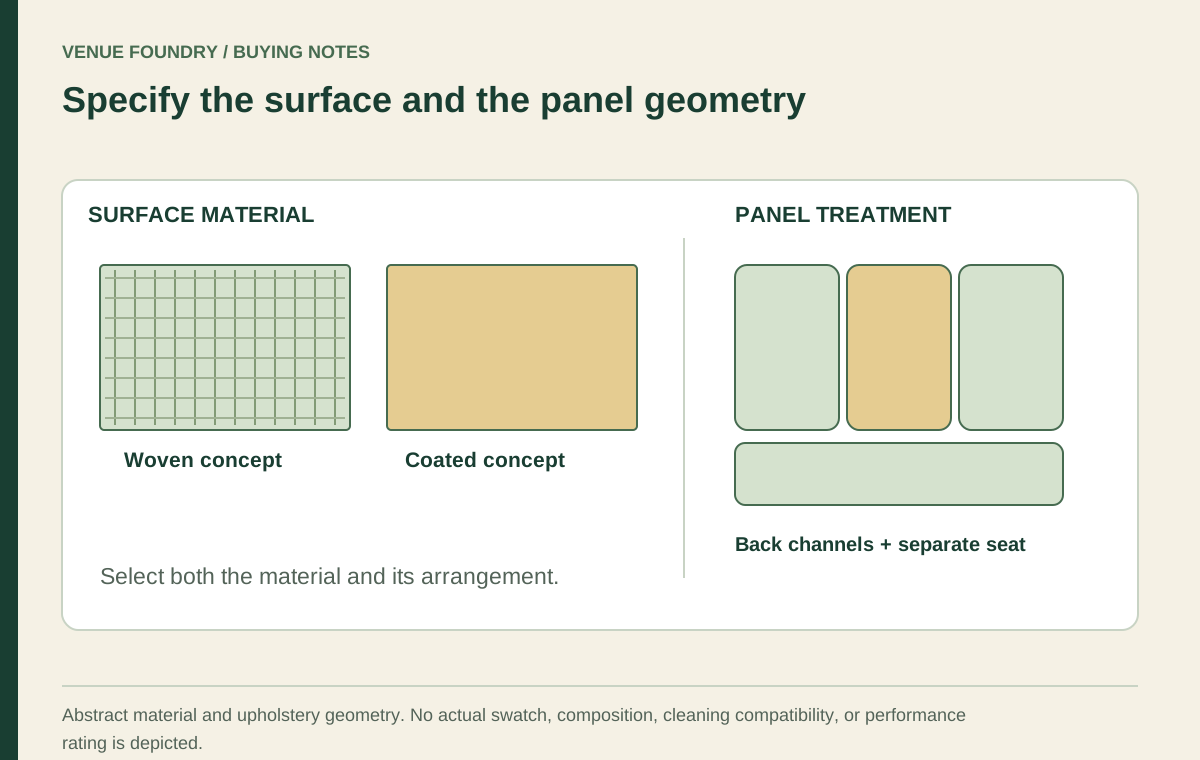
The replacement upholstery needs a precise identity, including its permitted use and care instructions. Choose it with the panel layout, seams, and any patterned sections in mind. A material that looks appealing as a flat swatch may read differently across a curved back or divided channel arrangement.
Use the upholstery selection discussion to separate material from panel treatment. Decide whether the project will preserve the original treatment or replace it with a specifically accepted alternative. Changing the decorative form can involve more than covering the same surface in a different color.
Matching retained furniture introduces another challenge. A new piece of the same named color may not look identical to an aged neighboring surface. Review the physical references together and decide whether a close match or a deliberate contrast is the better choice. The materials guide provides context for comparing selected finishes without treating a shared color name as proof of a physical match.
Compare complete work scopes instead of material yardage alone
An upholstery material amount is not a completed refurbishment price. Removal, preparation, padding work, sewing or fabrication, reassembly, transport, and site access may belong to the accepted scope. The actual tasks depend on the furniture and the professional carrying out the work.
A replacement comparison should be equally complete. Select the new booth model, its dimensions, finishes, and selling unit. Include any separate furniture changes that the new geometry requires, such as a different table or support.
For a labeled arithmetic example, suppose one hypothetical repair proposal is $600 per unit for four units, while a hypothetical replacement proposal is $850 per unit for the same four units. The product-level totals are $2,400 and $3,400. Those invented inputs do not decide the purchase until both scopes, actual conditions, and associated costs are comparable.
Plan the interruption as part of the decision
Ask how the accepted work will affect the room: whether components leave the premises, whether a whole run becomes unavailable, and whether the work can be staged. These are scheduling questions for the actual provider, not standard lead times that can be inferred from the word reupholstery.
An apparently lower furniture amount can be less attractive if it creates an operational interruption the restaurant cannot accommodate. Conversely, a phased repair may fit a project that cannot replace an entire section at once. Compare the real proposals without inventing lost-sales figures or guaranteed turnaround times.
The delivery page covers the receiving side of new furniture. A refurbishment proposal needs its own transport and access arrangements. Keep those responsibilities clear so the comparison does not include collection on one side and silently omit it on the other.
Use a short decision test before committing
Place the accepted alternatives in the budget planner, keeping external repair work distinct from catalog selections. The decision should answer these questions:
- Is the retained structure suitable for the proposed work?
- Does the existing geometry still suit the dining arrangement?
- Which components are included in the repair price?
- How will the finished material relate to retained furniture?
- What interruption and transport does each alternative require?
Retain the furniture for a reason that survives the new cover
Refurbishment makes sense when the retained assembly and arrangement remain useful and the accepted work addresses the actual problem. Replacement deserves consideration when the furniture's condition, geometry, or required scope makes retention less attractive. Neither choice can be settled from a fabric swatch alone.
Use contact for questions about current catalog replacements and read the ordering guide before submitting selected new furniture. Keep professional repair assessments with the existing furniture records. The final choice should describe what will be retained, what will change, and why the completed result is worth the cost.