The project notebook
Restaurant booths: separate the selected unit from the delivered project cost
A booth's selected product amount is the starting point for a project budget, not a description of everything required to put it into service. The order can involve several furniture pieces, separate tables, receiving arrangements, movement through the building, and installation work. Each part needs a clear scope before the total becomes useful.
Keep the furniture calculation visible while the other amounts are being established. This lets the team compare real configurations without hiding unconfirmed costs inside a vague contingency. It also makes clear which decisions would change the total if the room layout changes.
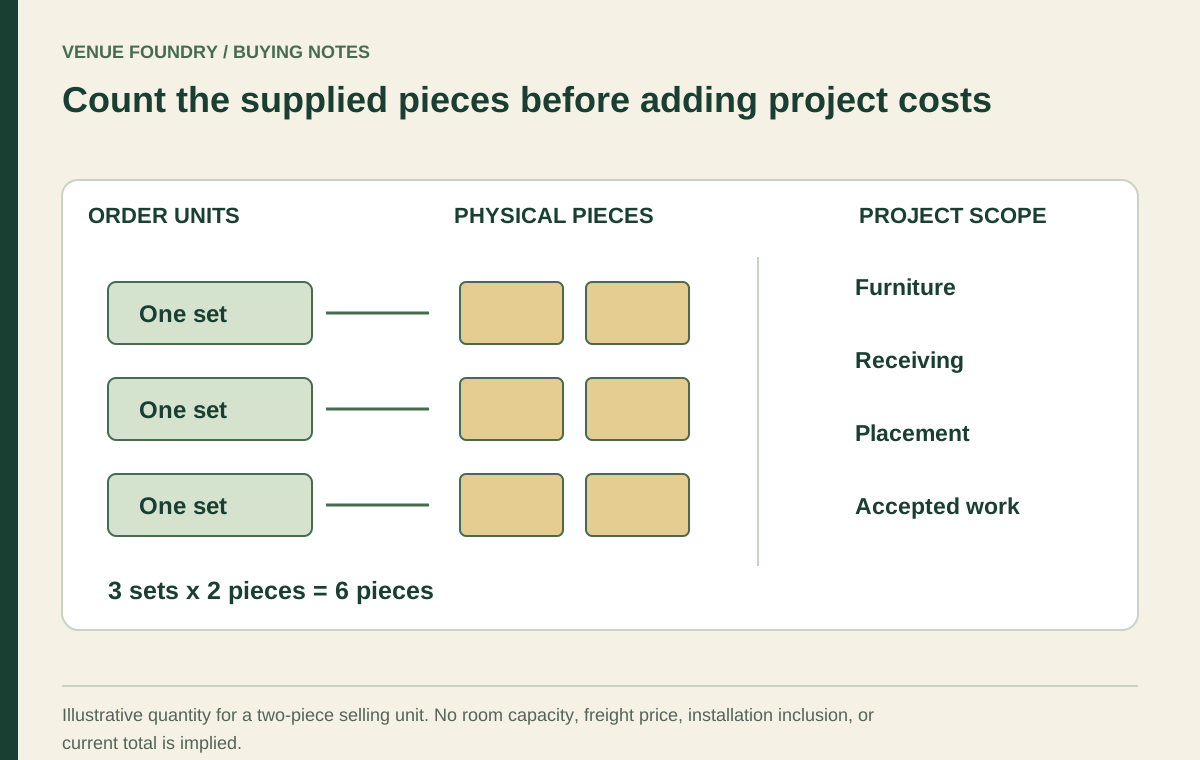
Open diagram at full size (new tab) ↗
Calculate the physical furniture from the selling unit
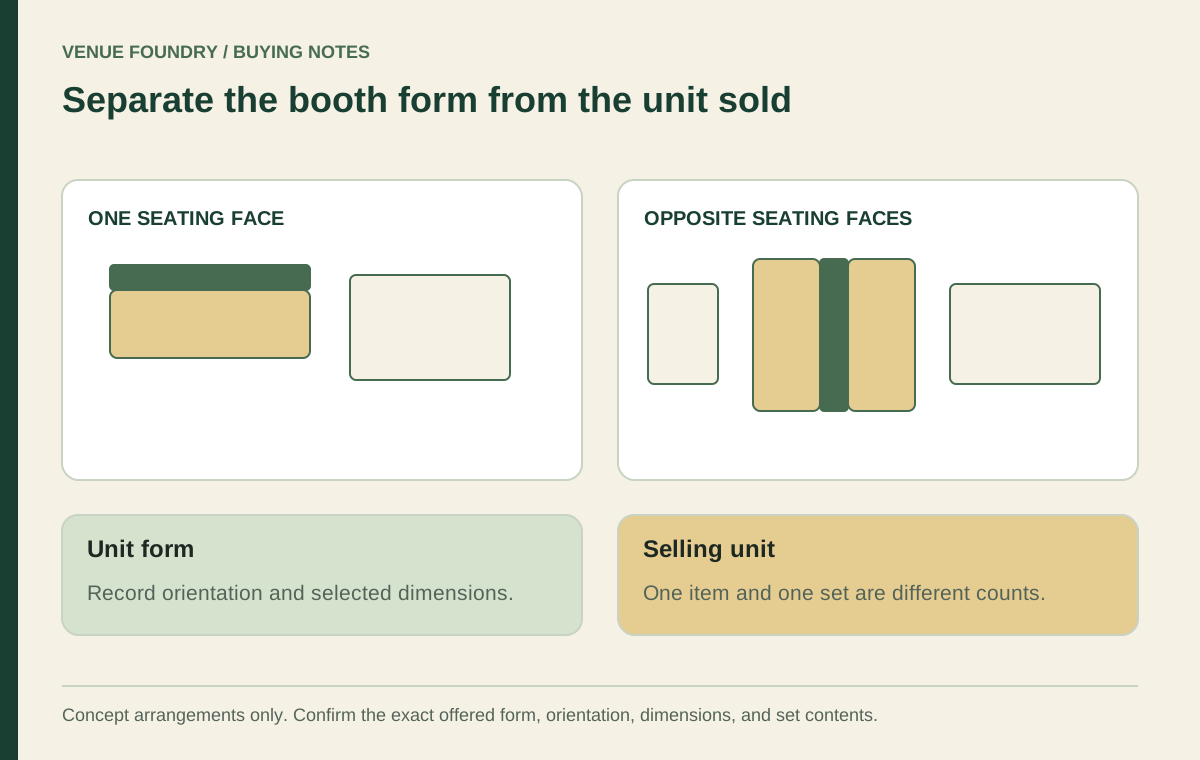
Begin with the distinction between an order unit and a furniture piece. Some restaurant booth listings describe one configured item. Others describe a set. The same quantity entered beside those records can therefore purchase different numbers of physical pieces.
In the October 17, 2026 snapshot, FRU-209103-SGLPL-BAR was a set of two pieces at a listed amount of $1,253. A hypothetical order for three sets would contain six pieces and produce a $3,759 product subtotal at that dated amount. This calculation does not include tables or establish how many guests the arrangement can serve.
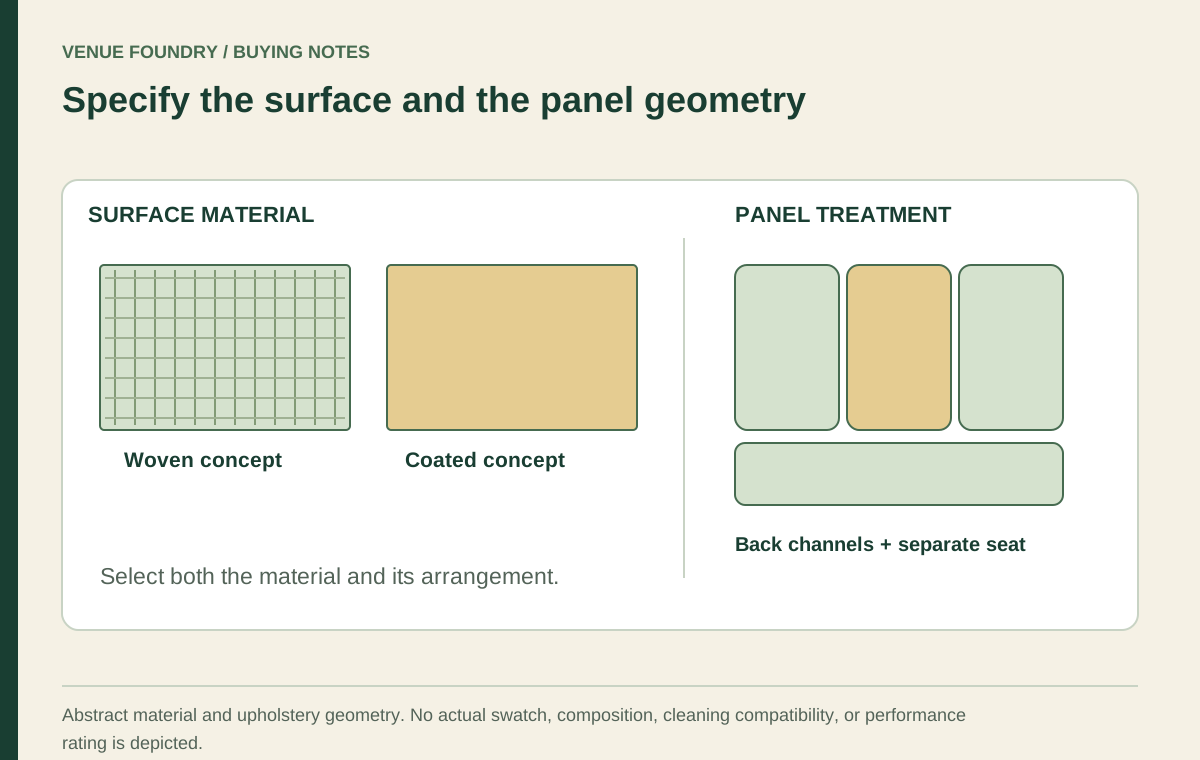
The FRU-BT-PL record, by contrast, was a configurable item with shape, height, back upholstery, seat, length, and power choices. Its completed amount depends on the actual selection. Counting six physical booth pieces is not enough to price them if the six configurations differ.
Keep configuration differences attached to their quantities
A long wall run may contain ordinary units, an end condition, a different height beside a window, or a separate finish in one area. Each distinct version deserves its own line. Combining them under one average amount makes later revisions harder to understand.
Use a descriptive line name such as rear dining section, selected height, and upholstery combination. The booth selection guide explains the controls that may distinguish the versions. The record should show the actual choices that drive the price, not merely the appearance of the preferred image.
A useful quantity check starts with the drawing and ends with the order. Count each physical unit on the drawing, identify which order line supplies it, and reconcile any set quantities. This is particularly important when a set is split between two rooms or when a double-facing unit serves tables on opposite sides.
Add the dining components that the booth amount omits
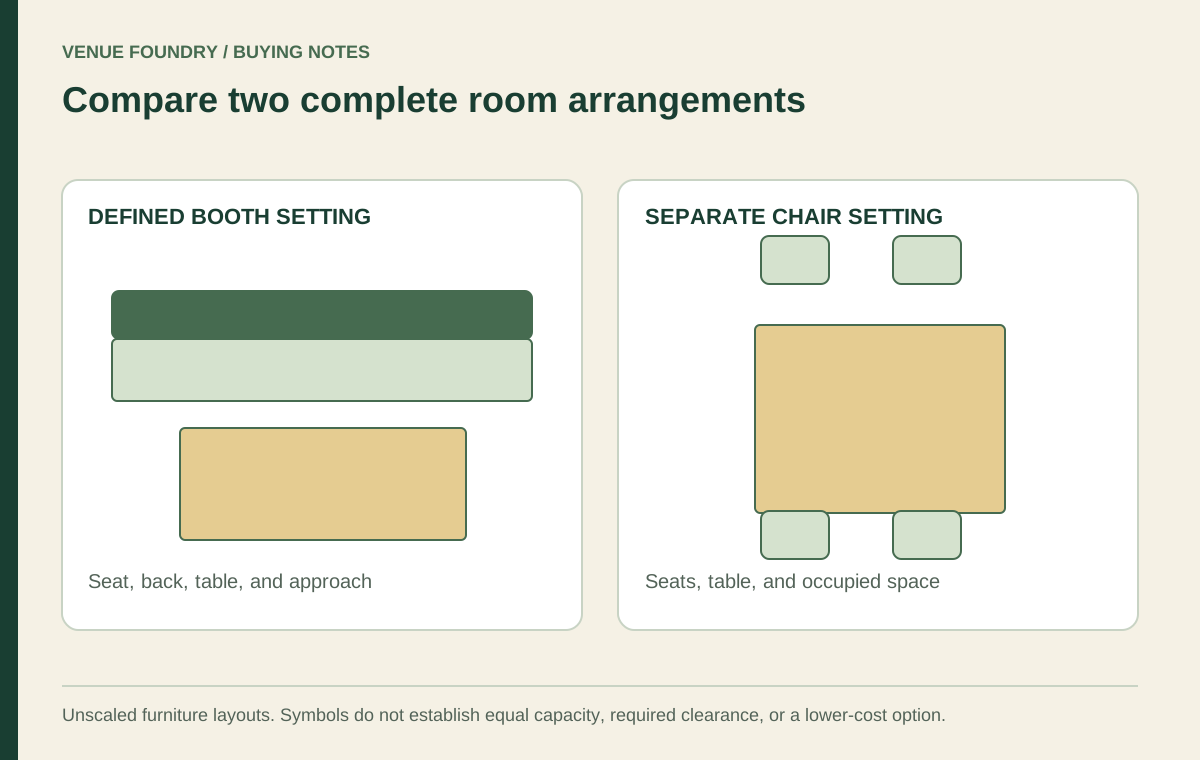
The booth does not necessarily include its table. If the table is purchased as separate components, identify the top and base as well. A room image showing all three pieces does not establish that they are sold together.
The selected table should be the one reviewed with the booth. A lower-priced replacement top that changes the outline or thickness can alter the entry or seated relationship. The booth fit article explains why those dimensions belong to the same buying decision.
Add any loose chairs used at the open side or ends of the arrangement as their own lines. Their quantity should come from the reviewed room plan. Do not assume that a booth's nominal capacity automatically determines the number of additional chairs that fit around its table.
Define the receiving service in concrete terms
Delivery can describe different scopes. Establish the actual receiving location, any unloading arrangements, and the responsibilities accepted for the order. The building's loading access and the availability of a receiving team can affect what the project requires.
Read the applicable delivery information and resolve the order-specific details before treating a freight amount as a complete inside-placement service. A fee for transportation does not automatically include carrying furniture upstairs, removing packaging, assembly, or positioning it in the dining room.
Use the actual supplied-piece and packaging information when reviewing access. A booth that fits its final location may still encounter a restrictive turn or opening along the receiving route. That issue should be resolved before arrival, with the appropriate handling plan rather than a hope that the furniture can be taken apart on site.
Separate installation from delivery and appearance
Some arrangements may require product-specific attachment or other installation work. Integrated power may involve a separate electrical scope. These requirements are not established by a front photograph or by the fact that a booth has a finished outside back.
The freestanding booth discussion explains why placement approval and rear appearance are different questions. Identify the applicable requirements for the selected model and site. Keep work by qualified installers or electrical professionals separate from the furniture subtotal until the scope is accepted.
If the project includes custom dimensions or a coordinated table, retain the accepted drawings. The installation brief should refer to the same version that was priced. A revised drawing can affect components or site work even when the upholstery color and overall visual concept remain unchanged.
Use arithmetic that exposes the scope
Consider an invented budget example for illustration. Suppose a selected furniture schedule totals $6,400, an accepted transport scope is $700, and a separate accepted placement task is $500. Those three amounts total $7,600 before any other applicable charges. None is a market estimate or a price for a product in this article.
Now suppose the layout changes and the furniture subtotal becomes $6,900. It would be incorrect to carry the old transport and placement amounts forward automatically if the number or size of supplied pieces changes. The revised scope should be reviewed where the changed furniture affects it.
In the budget planner, keep the selected catalog amount distinct from those external project headings. Label an unknown as unknown. A placeholder is useful for planning only when its status remains visible and no one mistakes it for an accepted price.
Review the complete comparison before deciding
Two booth alternatives can have different product subtotals and different associated work. A configurable model with suitable listed dimensions may avoid a custom request. Another arrangement may justify more work because it solves a real room constraint. Compare the accepted scope on both sides.
The final review should identify:
- Order units and the physical pieces they supply.
- Selected configurations and separate dining components.
- Accepted transportation and receiving responsibilities.
- Placement, assembly, or installation work outside the product amount.
- Unresolved amounts and the decisions needed to establish them.
Keep the total understandable when the project changes
A useful delivered-project budget can be revised without losing its meaning. Each amount has a defined scope, each booth version has a quantity, and each unresolved item remains visible. That structure makes the budget more useful than a single reassuring number with unclear assumptions behind it.
Review the completed furniture selection using the ordering guide, and use contact for the specific delivery or configuration questions. Keep the accepted details with the room plan. The result should explain both what the restaurant is buying and what work still needs to happen before the furniture is ready for its intended use.