The project notebook
Cane restaurant chairs: identify the material before comparing prices
A woven appearance can bring several different product descriptions into the same shortlist. Cane, a cane-look seat, and another woven material should not be treated as interchangeable simply because their photographs share a pattern. Before comparing prices, identify what each exact chair is described as using.
The budget review needs that distinction because the product's intended use, care instructions, and available service information belong to its actual construction. An attractive image can begin the selection, but it cannot settle those details. Keep the material question open until the record provides a clear answer.
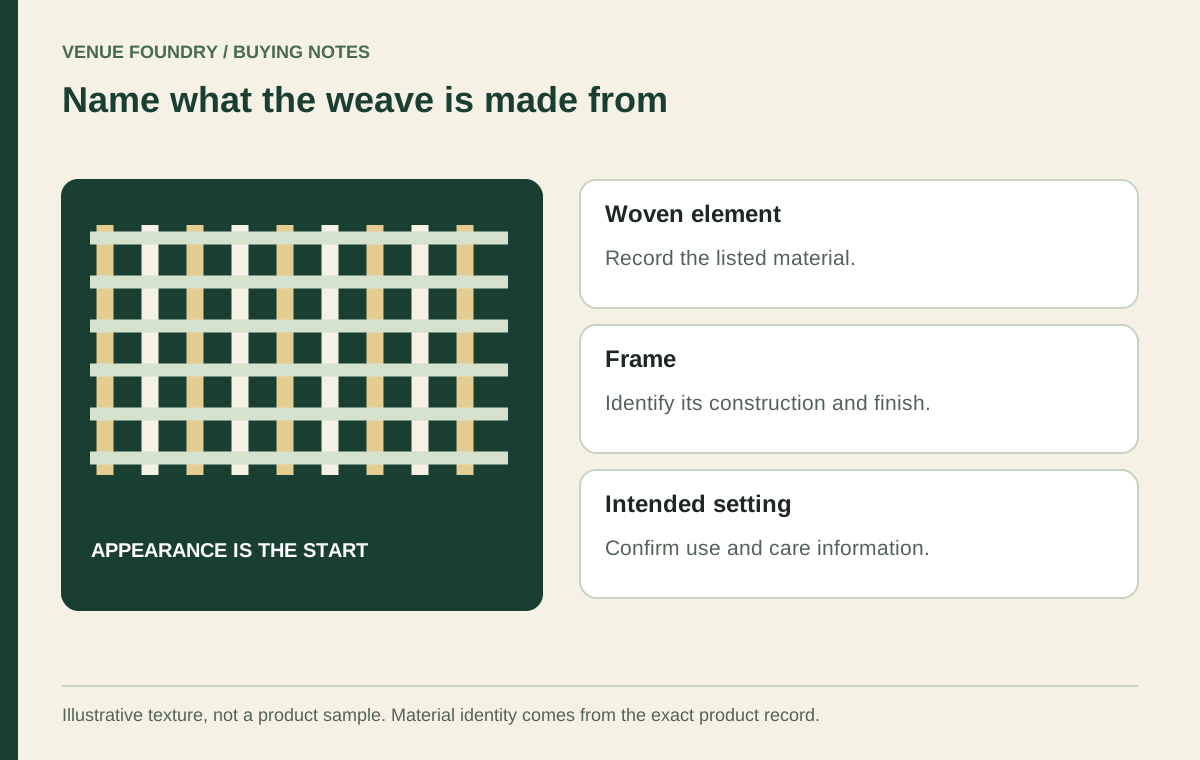
Open diagram at full size (new tab) ↗
Read the weave and frame as separate specifications
Open the model in restaurant chairs and record the material terms exactly as supplied. Separate the woven element from the frame. If the listing uses a style description rather than a material statement, do not rewrite that style into a factual construction claim.
For example, the word cane in an informal project note may refer to an appearance the designer likes. The product selection still needs the exact listed material and configuration. That distinction prevents the brief from accidentally requiring one substance while the saved line describes another.
Review the materials guidance, then identify the model beside any unresolved question in your project records. Ask about the element that matters, such as the seat, back panel, or frame finish. A broad request for more information is harder to answer than a question tied to a specific part of the chair.
Two catalog records illustrate why the fields matter. In the October 17, 2026 snapshot, chair FRU-401 lists an aluminum frame with a bamboo look and a faux-rattan seat. The appearance does not make its frame bamboo. Chair FRU-401070 lists Cane as its style, but Wood as both frame and seat material. That style field alone does not establish the composition of every woven-looking detail. Keep the unresolved element as a specific product question rather than labeling it natural cane.
Keep intended use out of the style assumption
A woven look does not establish outdoor suitability. Check the exact product's stated use and any restrictions before assigning it to a patio. The outdoor directory is a browsing route, while the product record remains the place to confirm the selected item's classification.
If the same visual direction is wanted inside and outside, create separate candidate lists. The indoor chair and the patio alternative may achieve a related appearance through different construction. Their prices should be compared within their actual requirements rather than forced into a single interchangeable line.
Use named zones in the budget planner so the intended setting remains visible. A chair copied from one room into another keeps its saved details, but copying does not establish that the second environment is suitable for it.
Compare a fully specified version
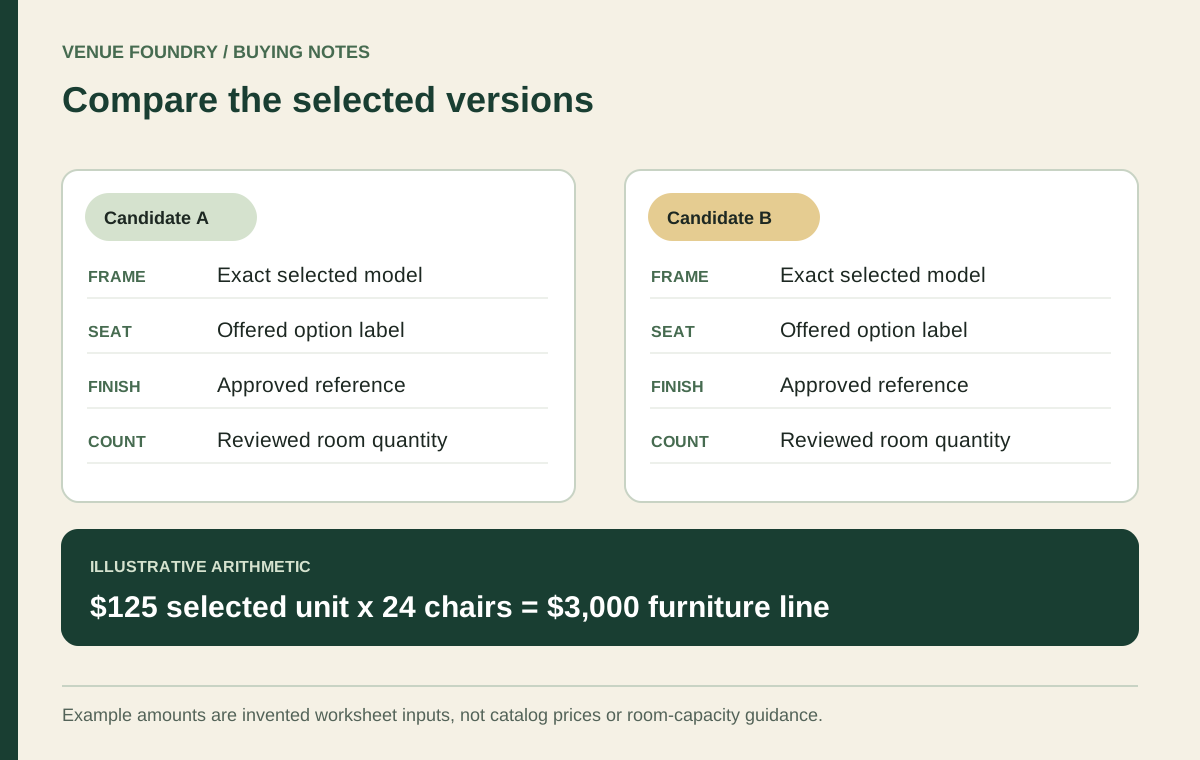
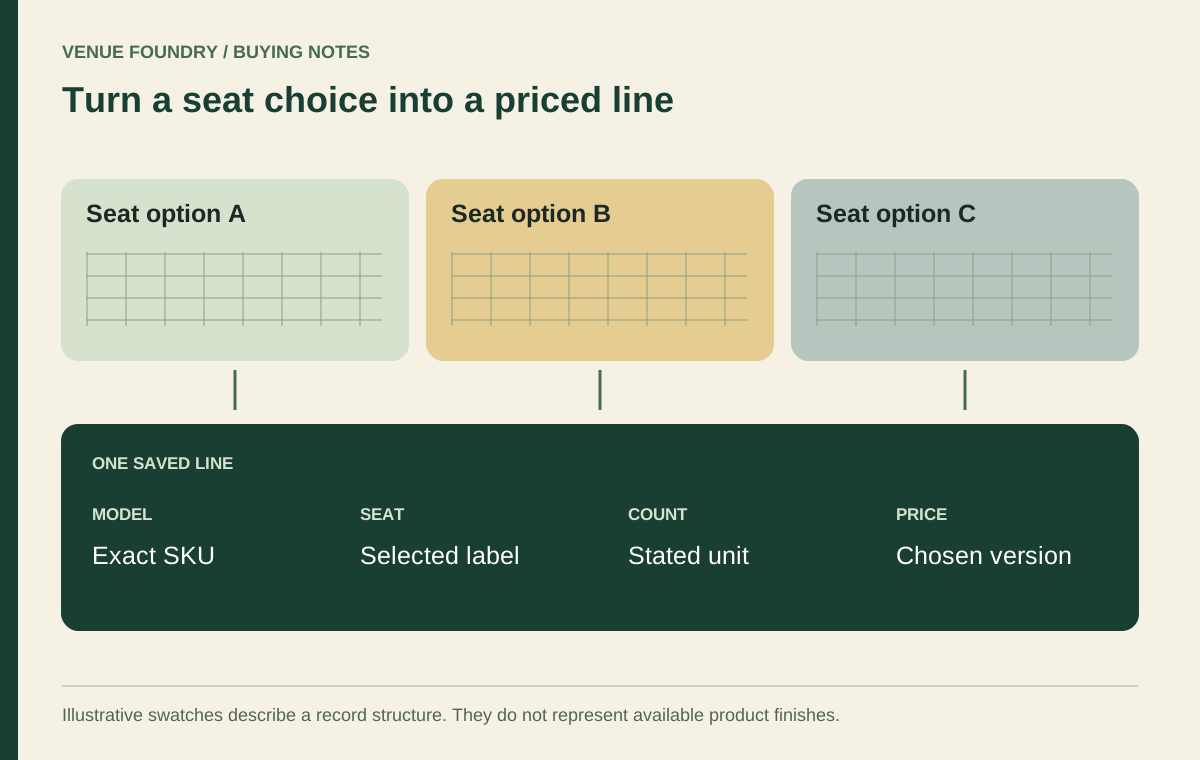
Select the offered frame and seat options before recording the unit price. If a configuration requires a price check, complete that step. Save the selected labels with the SKU and confirm the stated selling unit before multiplying quantity.
The configured chair price guide explains how to align candidates. In a woven-chair shortlist, the matched brief should include the actual intended use, required dimensions, and selected finish. Differences that remain can then be discussed openly rather than hidden behind a common style label.
Avoid ranking products by an unsupported claim that one weave will always last longer. A purchase amount and a broad material name do not establish a lifetime cost. If the buyer needs evidence about performance or service, request information for the exact model and keep the answer with the comparison.
Review the physical reference for the question it can answer
A sample can help the team examine appearance and the proposed chair-table relationship. Identify the product and selected version, then state the purpose of the session. The chair sample guide provides a structure for those observations.
Do not turn an informal touch or visual inspection into a laboratory result. The session may answer whether the selected pattern and finish suit the approved room concept. It does not establish material composition, load performance, or a guaranteed service life without appropriate documentation.
Place the chair beside its intended table when fit or proportion remains in question. Record the model references and relevant measurements. A close-up weave photograph alone cannot explain how the complete piece relates to the furniture arrangement.
Ask about care before approving the quantity
Obtain the care instructions that apply to the selected material and finish. Compare them with the venue's actual routine and identify any question that needs resolution. Do not substitute generic cleaning advice for a product-specific instruction.
Ask what service information is available for the woven element. If replaceability matters to the budget, establish whether a compatible part and an approved process are actually documented. A visible panel boundary does not prove that the panel is sold separately or that the venue should remove it.
Keep the information request compact:
- What material is listed for the woven element and for the frame?
- What intended-use and care instructions apply to the selected version?
- What approved service information is available if that element is damaged?
The replacement-seat article offers a broader comparison method when a confirmed seat-only option exists. It does not imply that every woven chair can be refurbished that way.
Make the receiving record specific enough to check
Retain the chosen model, option labels, and approved reference with the project sheet. That record helps the receiving team identify what was ordered without relying on a generic description such as woven dining chair. Read the delivery guide, then document the destination and access requirements separately.
If a discrepancy or condition concern appears, document the observation against the order and product reference. Avoid diagnosing the cause from a photograph or assuming a particular remedy. The current changes and returns page identifies the terms that still need confirmation in this preview.
Keep any replacement discussion distinct from the original selection. A new model may share the look while differing in material or configuration. That alternative deserves its own product review before it is accepted into the schedule.
Give the style a precise purchasing name
Review current prices and options in the basket, then follow the ordering steps. Check that the selected material description and finish labels match the approved record. Notes should clarify the decision, not silently request a different product from the configured line.
The room can retain the woven appearance that began the design discussion while the purchase becomes much more precise. Each candidate has an identified construction, a stated use, and a price for its selected version. That is a stronger basis for comparison than asking several different chairs to stand behind the same informal word.