The project notebook
Restaurant table tops: compare laminate and solid wood at the same selected size
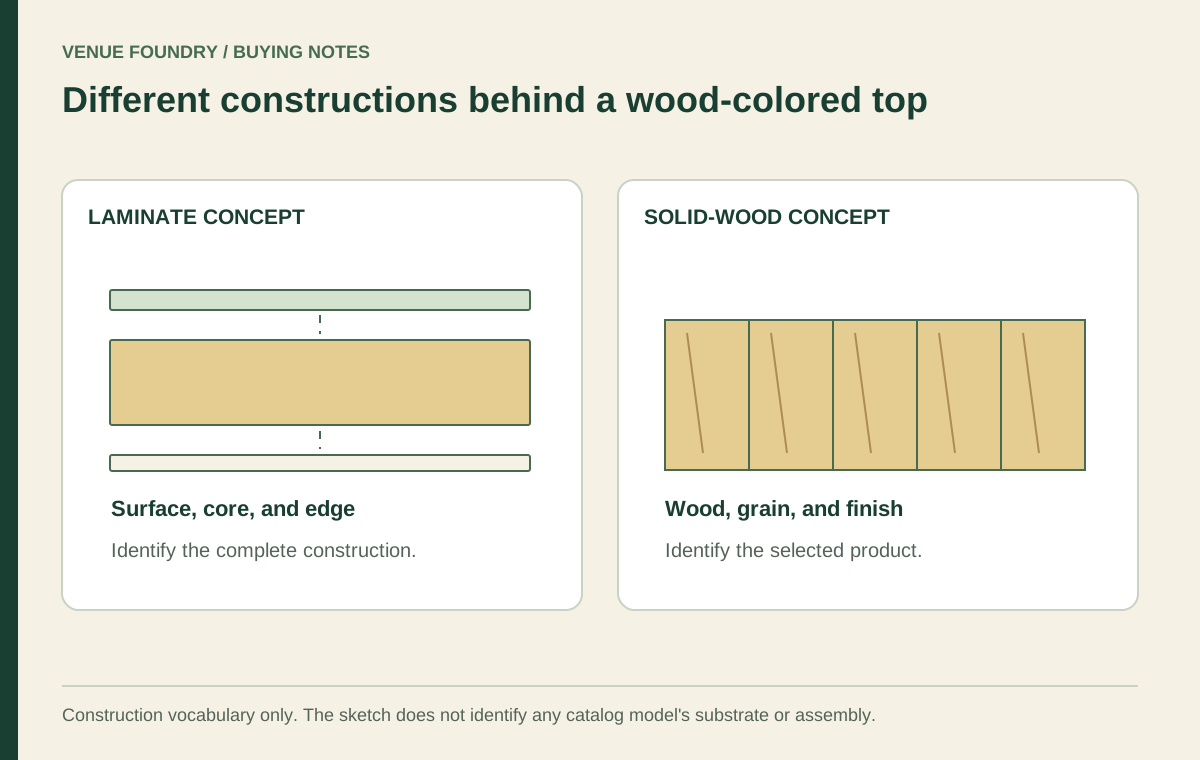
Laminate and solid wood can both give a restaurant a wood-colored surface, but they do not describe the same construction. A decorative woodgrain image, a finished wood board, and the support beneath a surface answer different questions. Appearance alone is therefore a weak basis for comparing ownership cost.
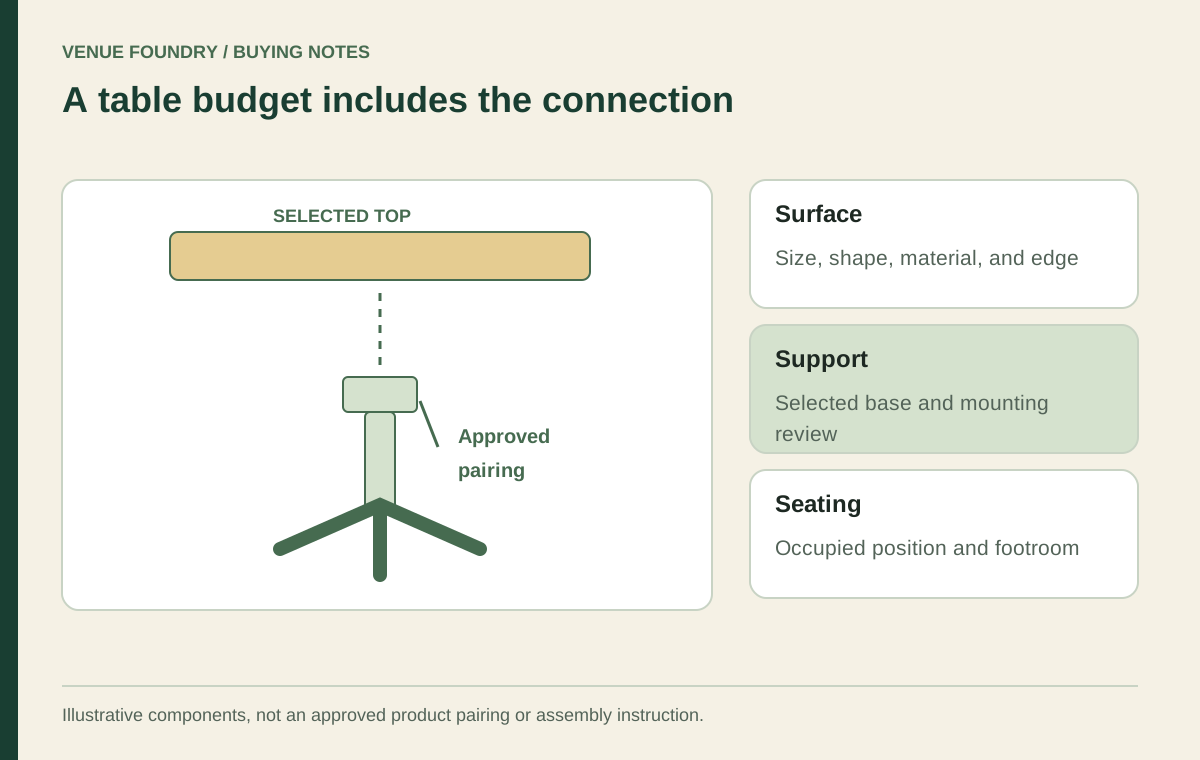
Hold the selected size and intended use constant before comparing candidates. The table-system guide explains why the top also needs an appropriate base and connection. This material comparison focuses on the surface, edge, care, and purchase scope that remain once the room brief is clear.
Open diagram at full size (new tab) ↗
Understand what the material label identifies
High-pressure decorative laminate is a manufactured surface made from resin-treated paper layers bonded under heat and pressure. It is distinct from the substrate to which it may be applied. A complete tabletop description should identify more than the decorative pattern, including the construction and edge where that information is available.
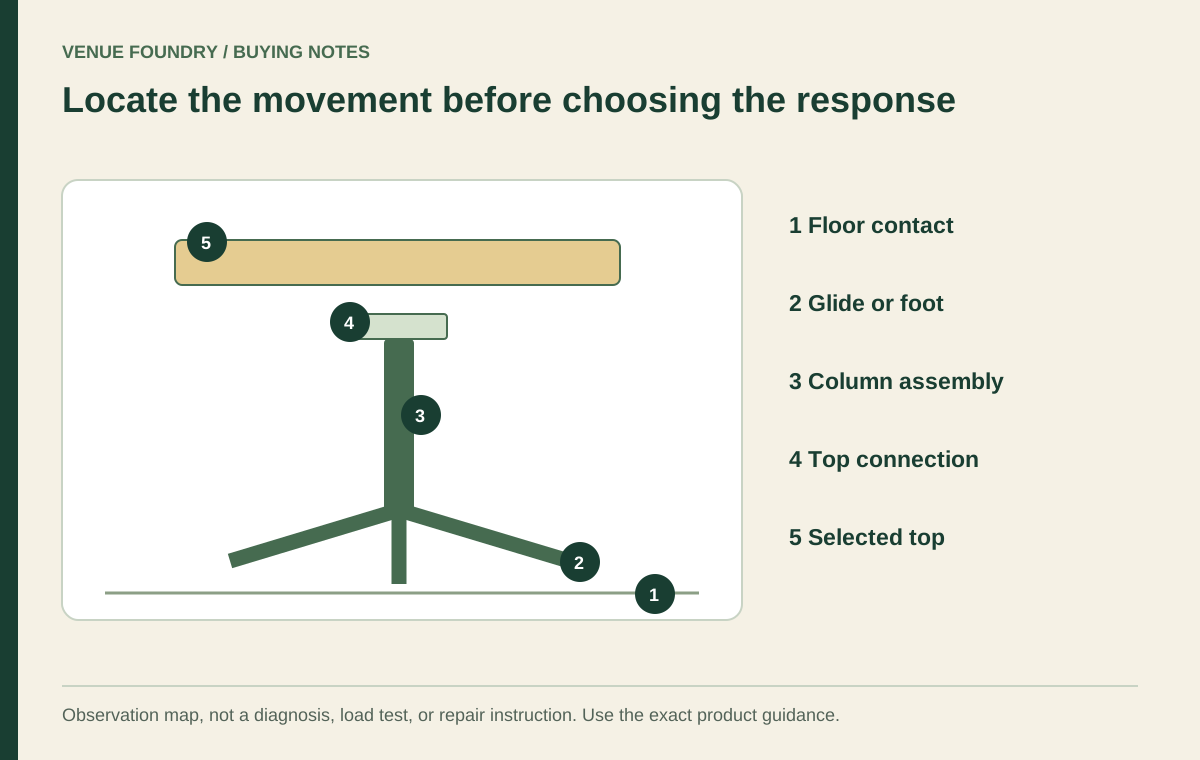
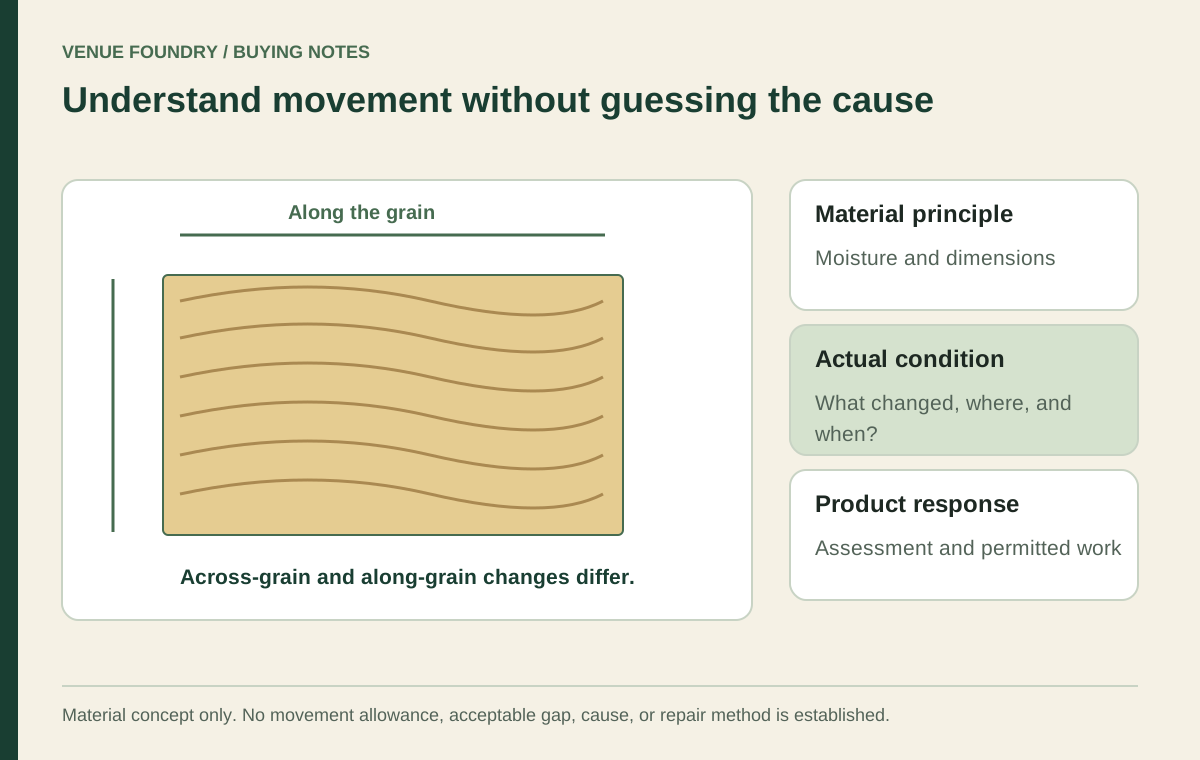
Solid wood identifies wood throughout the stated solid-wood construction, but it does not by itself establish species, board arrangement, finish, or mounting requirements. Wood can exchange moisture with its surroundings and change dimension. The actual product instructions matter when deciding how a finished top should be installed and cared for.
Read the materials guide alongside the product record, distinguishing the stated construction from the selected finish. Neither laminate nor wood should be treated as a universal durability grade. A broad material category cannot replace the evidence for a particular restaurant tabletop.
Compare two actual option records
The October 17, 2026 record for laminate top FRU-SELF-EDGE identifies Indoor use and a 1 1/4 inch thickness. It offers multiple sizes and three decorative groups: Stone / Marble Look, Wood Grain, and Solid Color. Specific design labels appear beneath those branches.
The record for solid-wood top FRU-ERAT-ELM identifies Indoor use, a Dark Walnut color, and a 1 1/8 inch thickness. Its listed sizes include 24 by 24, 24 by 30, 30 by 30, 36 by 36, 30 by 48, 30 by 60, and 30 by 72 inches.
The dated starting prices are $97 and $150, respectively. Those figures do not establish the price difference at every size or finish. Select the same offered dimensions and the actual decorative choice before comparing configured totals. A larger laminate selection and a smaller wood selection would answer a different purchasing question.
Look beyond the middle of the surface
The edge is visible from the seated position and receives its own contact during use. Its material, profile, junction with the face, and underside details can differ from the center of the top. A small decorative swatch does not show all of those relationships.
Review a representative edge sample or the complete selected product where available. Consider how the top meets the base and how the chair sits beneath it. The chair and table relationship guide is useful when arms or other furniture features approach the underside.
Do not assume that every laminate edge has the same construction or that every solid-wood top can be refinished by the same method. A proposed repair depends on the actual finish and product, and the supplier should identify any permitted service route.
Compare care with the venue's routine
Surface instructions should be matched to the products and methods the operating team intends to use. Identify the cleaner, application method, and any required rinsing or drying from the applicable guidance. A claim that a material is easy to clean is too broad to resolve compatibility.
Laminate manufacturers can warn against flooding seams because water may reach a substrate. Wood finishes can have their own limits. Those are reasons to obtain the finished tabletop's instructions, not permission to transfer a cleaning recipe from a different product. Follow the purchase record guide when retaining that information in your own project documentation.
The care comparison should also address the whole assembled table. A method suitable for the top may affect the edge, underside, base, or nearby upholstery differently. Keep the relevant instructions accessible to the people doing the work rather than leaving them only in a buyer's archived message.
Review appearance under the actual lighting
A printed woodgrain and natural wood can differ in pattern repetition and variation. The design brief may prefer consistency, visible variation, or contrast with another surface. None of those preferences makes one construction inherently right for every venue.
Use the finish approval process to review the candidate beside the floor and seating. Examine the actual finish under the intended light. A bright product photograph may not reproduce the surface's appearance in a dim dining room.
If multiple tops will sit together, view more than one reference where practical and clarify what variation is expected. Do not promise that every natural-wood top will look identical or that every printed pattern will align across joined tables.
Build the cost comparison from the selected system
Include the selected top, the compatible base arrangement, and any confirmed assembly or delivery costs. A top-only price and a complete-table price are not comparable until the missing components are accounted for. Browse laminate tops and wood tops using that same scope.
The comparison can use five practical fields:
- Selected dimensions, shape, and thickness.
- Actual construction, finish, and edge description.
- Documented care and permitted service information.
- Approved base and mounting relationship.
- Configured purchase total and separately identified unknown costs.
Put the alternatives into the budget planner with the same quantity basis. Avoid assigning a guessed lifespan or future refinishing savings to either side. Those claims need evidence beyond the material name and starting price.
Choose the surface that fits the operating brief
The useful comparison is between two defined tabletops in the same setting. Laminate can provide a decorative surface with a particular construction, while solid wood brings its own material and finish requirements. The selected size, edge, care, and support complete the decision.
Resolve missing product information through contact before ordering. Retain the accepted sample references and care instructions with the project. That makes the choice understandable to the operating team and gives a future replacement a better starting point than simply choosing another wood-colored top.