The project notebook
Solid wood restaurant table tops: distinguish movement questions from damage claims
A change in a solid-wood tabletop can prompt two unhelpful reactions: dismissing every change as natural, or treating every visible gap as proof that the whole table must be replaced. The better response begins with the actual product, the observed condition, and the information needed for an appropriate assessment.
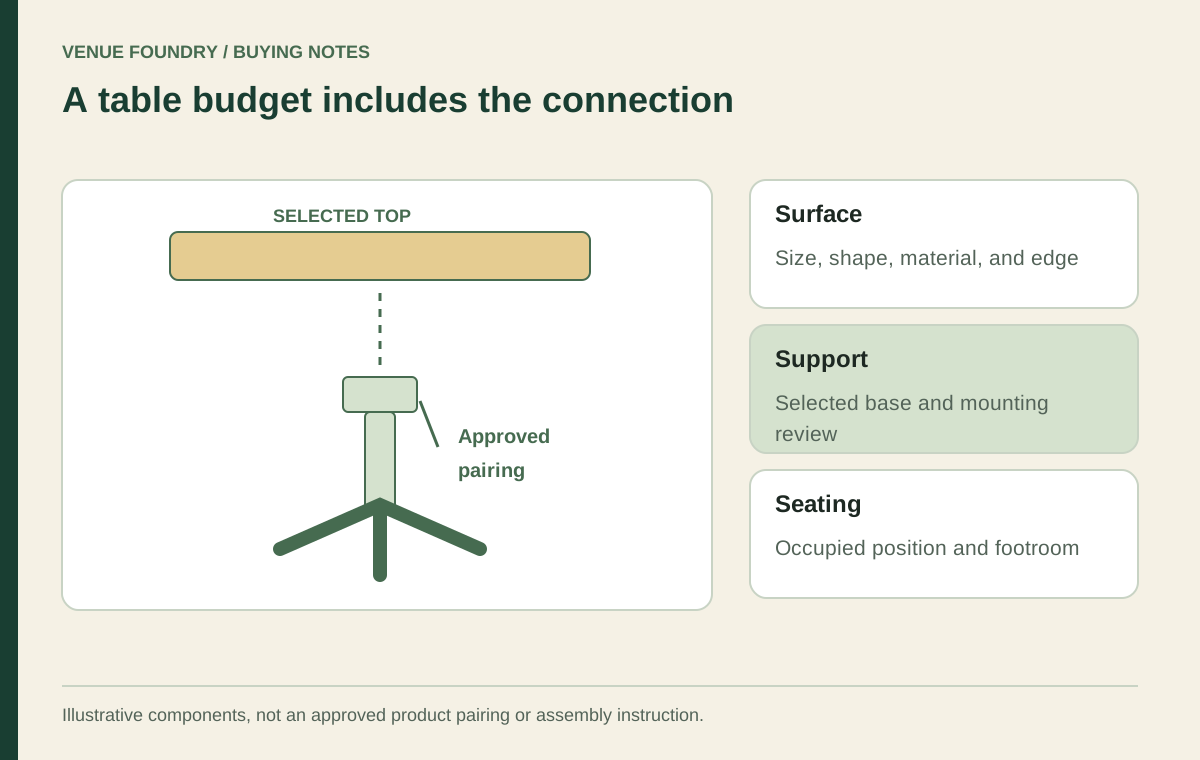
Wood movement is a material subject. Whether a particular installed top is damaged, incorrectly mounted, or acceptable for continued use is a product and condition question. The table-system guide keeps the surface, support, and connection together so that one visible symptom does not become an unsupported diagnosis.
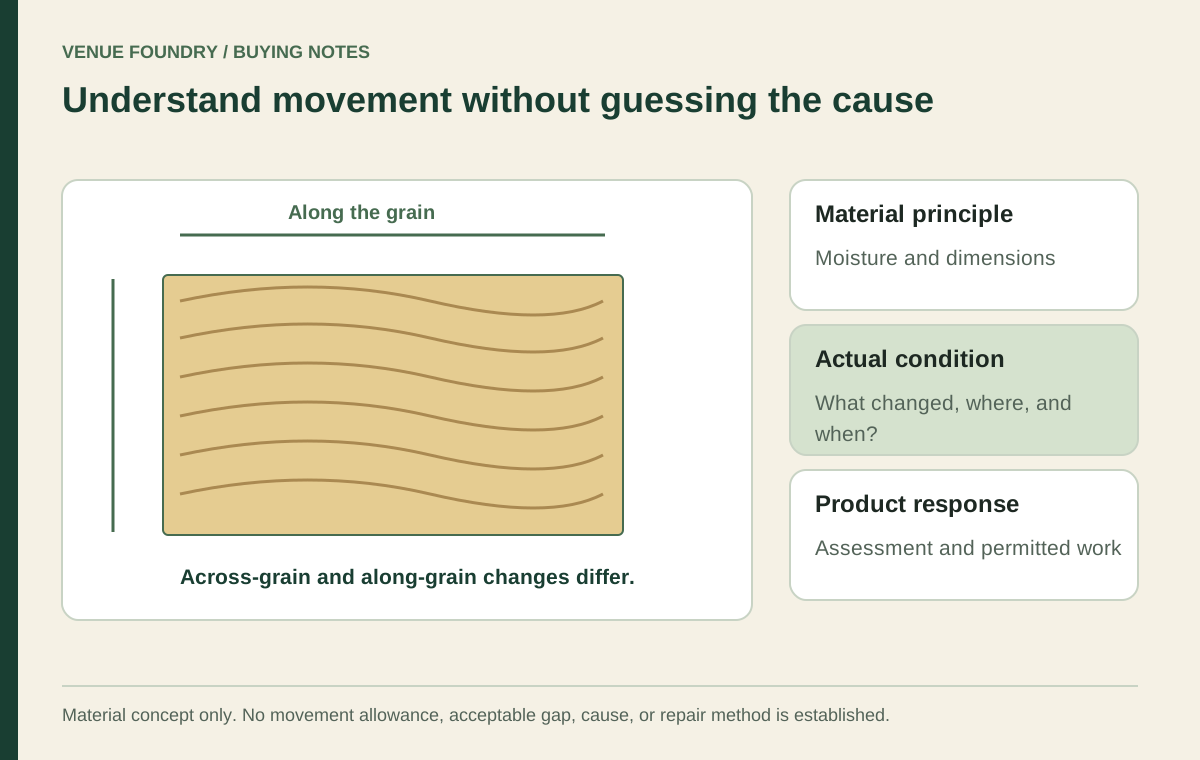
Open diagram at full size (new tab) ↗
Understand the basic moisture relationship
Wood exchanges moisture with its environment. Changes in moisture content can change its dimensions, and the amount of change is not the same in every direction. Movement across the grain is generally more significant than movement along it. Species and the arrangement of the wood also matter.
Those principles explain why wood products need appropriate construction, installation, and care. They do not provide a universally acceptable gap width or tell a restaurant owner what caused a particular split. A photograph without product and condition information cannot supply that conclusion.
The wood construction article discusses another part of the same material subject: connections need to account for the wood and its use. Tabletop mounting requirements must come from the actual product, not from a guessed fastening method based on a different piece of furniture.
Distinguish the observations
A gap between boards, a crack within a board, a raised area, and a change in overall shape are different descriptions. A finish mark is a separate category. Write down where the change appears and when it was first noticed without naming a cause that has not been established.
Photograph the complete top and the relevant area, with enough context to identify the location. Include the underside and connection information if this can be documented safely. Keep the table out of guest use if its condition raises a stability or injury concern while an appropriate assessment is arranged.
Use the purchase record guide when linking those observations to the product identifier and selected dimensions in your own records. A maintenance note attached only to a room nickname can become difficult to interpret once tables are moved or replaced.
Establish the selected product and finish
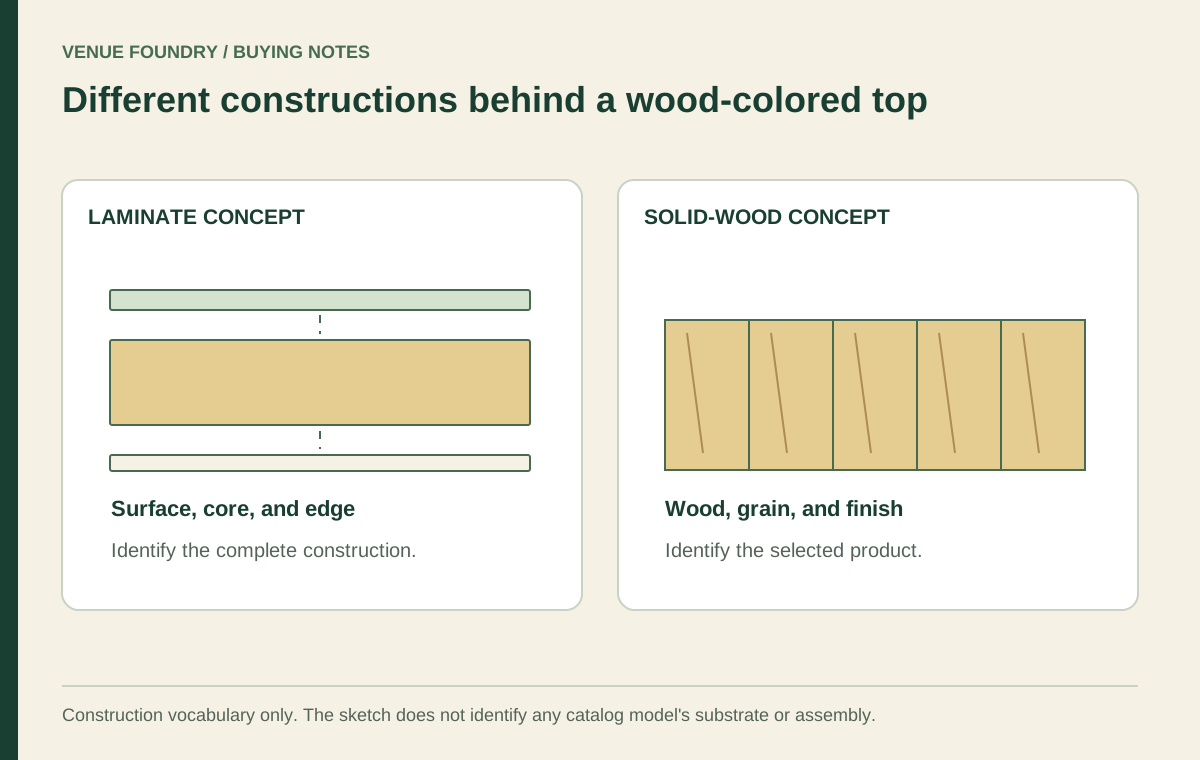
The phrase solid wood does not specify every part of a tabletop. The record may need to identify species, board arrangement, thickness, finish, and the supplied mounting instructions. If a field is missing, ask for it rather than inferring it from a decorative color name.
For example, the October 17, 2026 record for top FRU-ERAT-ELM states Solid Wood, Indoor use, a Dark Walnut color, and a 1 1/8 inch thickness. That color label should not be treated as a statement that the wood species is walnut. The selected model and its additional supplier information establish the product identity.
The record for top FRU-SW-BB states Solid Wood and a 1 1/2 inch thickness, with several finish and size options. Its butcher-block product description does not, by itself, provide a complete explanation of grain orientation or a repair procedure for a particular installed top.
Bring the installation history into the review
Record which base was used and whether it was the approved pairing for the selected size. Include any changes to the attachment or top since purchase. A reused base can introduce a different history from a complete table supplied as a selected system.
Mounting should allow the product to function as its manufacturer intends. This article does not prescribe screw patterns, slotted holes, fastening torque, or modifications. A generic woodworking method is not automatically the approved instruction for a commercial tabletop with its particular construction and finish.
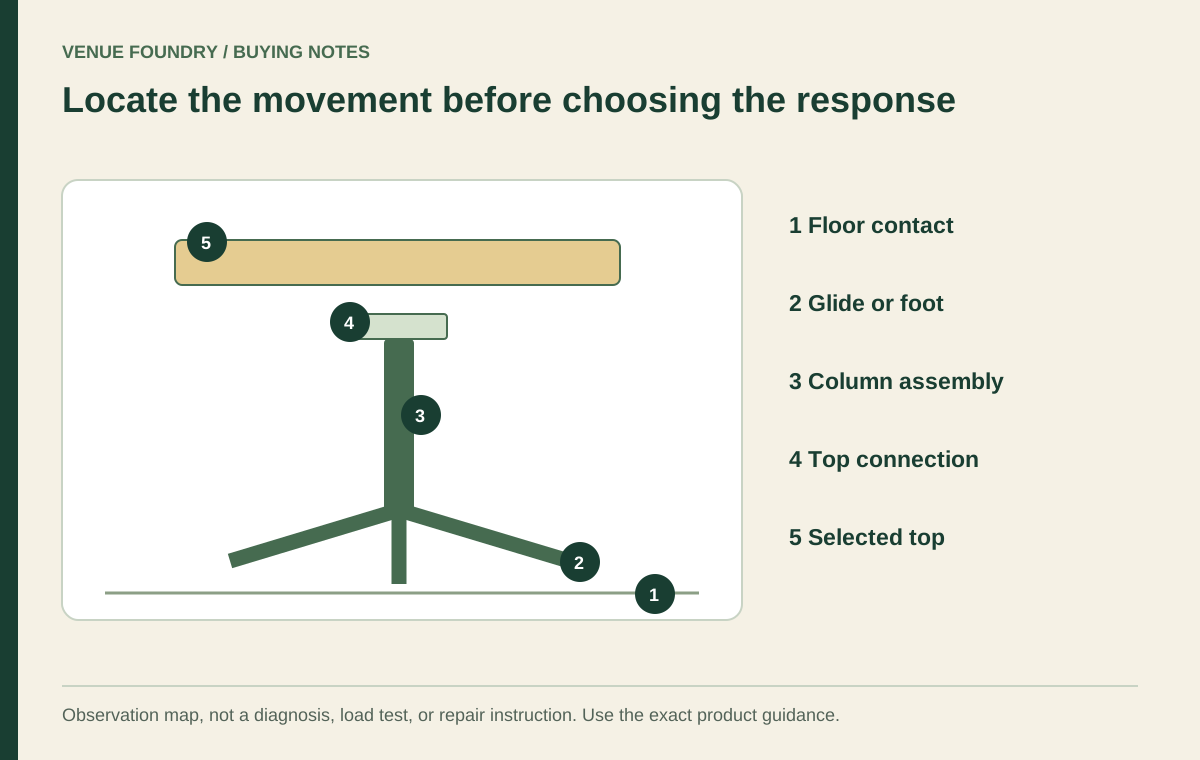
The table movement review separates floor contact, assembly, and top-to-base questions. A top can have a surface concern while the base has a separate issue. The assessment should avoid folding both observations into a single convenient explanation.
Describe conditions without assigning blame
The timing of a change can provide useful context. Note relocation, storage, a change in room conditions, a spill event, or a change in cleaning routine if those events are known. Do not manufacture a history or assume that one event caused the condition simply because it occurred first.
If the supplier requests environmental information, provide actual records or state that they are unavailable. An invented humidity reading is worse than a missing one. The project should not present estimated conditions as measured facts or use them to decide responsibility without the relevant review.
Read the materials guide, then obtain and retain the selected product's actual care instructions. A finish can affect the way a surface is maintained, but a broad statement that the top is sealed does not remove every material question. The applicable product guidance should address the complete finished piece.
Avoid making a repair decision from appearance alone
Filling, sanding, or refinishing may change the surface and can complicate an assessment if performed before the condition is documented. Whether such work is appropriate depends on the actual product and approved service route. Do not treat an online repair technique as an automatic remedy for a restaurant table.
Ask the supplier or appropriate service professional to identify the assessment outcome and permitted work. A useful response distinguishes appearance, function, and any need to remove the product from use. If the answer is incomplete, preserve the unresolved question rather than converting it into a reassuring claim.
Use contact to request the available model-specific information. Keep any applicable business terms separate from the technical assessment. A condition report is not, by itself, a warranty decision or a promise that a particular repair will be provided.
Compare the next steps on a complete basis
Once the permitted options are clear, compare their actual scope. An approved repair can include labor, transport, finish work, or other components. A replacement requires the selected top and its approved relationship to the base, not merely a similar-looking surface from the wood-top collection.
The decision record should contain:
- Exact product and selected dimensions.
- Dated observations and photographs.
- Available care, mounting, and condition information.
- Assessment result and approved next steps.
- Complete cost scope and unanswered questions.
Use the budget planner to compare the confirmed alternatives, keeping unknown work as a visible allowance. Do not assign a guaranteed remaining lifespan to a repaired top or assume that a replacement will eliminate every installation issue.
Let evidence define the response
Natural material behavior is useful context, but it should not become an excuse to ignore a particular condition. Equally, a visible change should not automatically trigger a full replacement without understanding the product and the permitted response. The assessment connects those two concerns.
Before ordering a new top, retain the findings and review the intended base pairing. The project will then have a clear record of what changed and why the next step was chosen. That record is more useful than a general statement that wood always moves or that any gap means failure.