The project notebook
Resin restaurant table tops: separate the material name from the product evidence
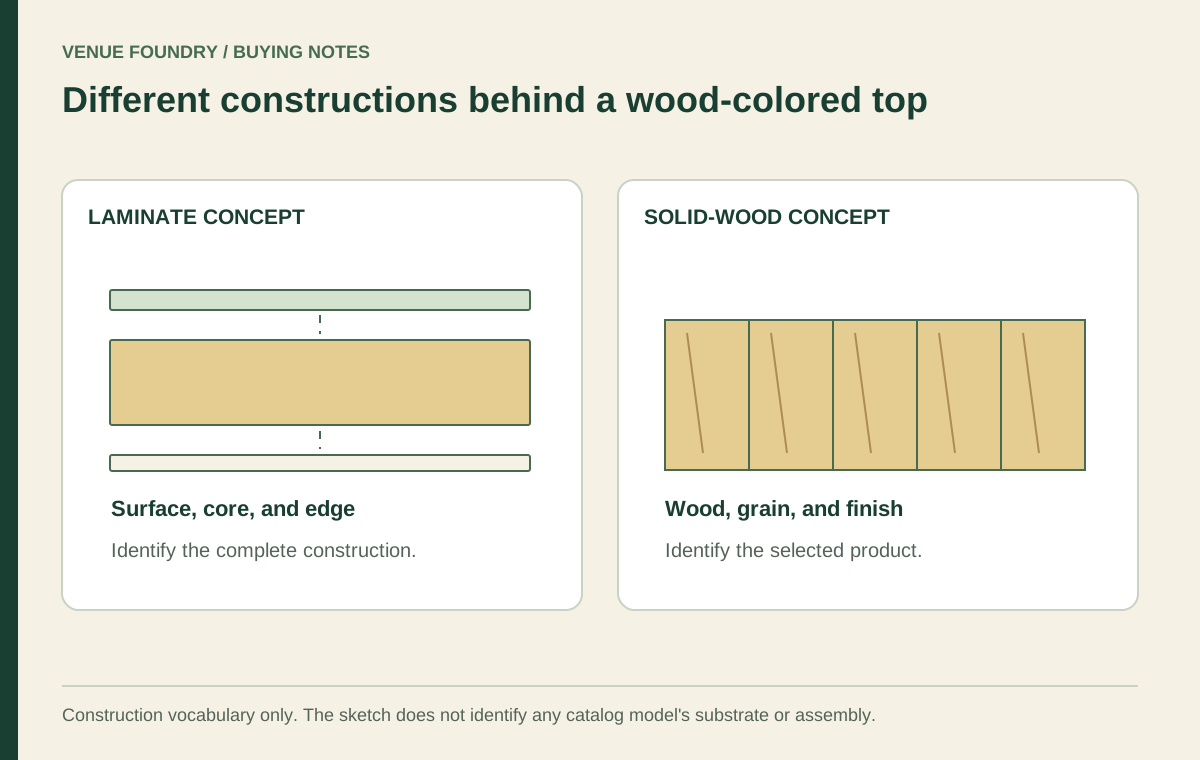
Resin is a broad tabletop label, not a complete construction or maintenance specification. Products grouped under it can differ in their core, surface, thickness, intended setting, and mounting requirements. A buyer looking for an alternative to solid wood needs those distinctions before deciding what the material name means for the project.
Start with the actual model rather than a promise that resin is always low maintenance or suitable outdoors. The tabletop material guide separates decorative appearance from construction. That same distinction is especially useful when several different products appear in the resin-top collection.
Open diagram at full size (new tab) ↗
A resin-related product can still contain wood
Topalit provides one concrete manufacturer example. Its published production description combines wood chips and melamine-resin paper films in a compressed molded part. That is different from imagining every resin-labeled tabletop as a solid piece of unreinforced plastic or a clear resin coating poured over a wood slab.
The example illustrates why the construction needs a name and a source. It does not establish the internal structure of every other catalog product labeled resin. A coating, a molded composite, and another resin-based construction should not inherit each other's care or performance claims.
Ask what the selected top actually contains and how its edge and underside are formed. A decorative marble or woodgrain finish describes appearance. It does not make the product natural stone or solid wood, and it does not reveal the complete core construction.
Read the intended-use field before planning a patio
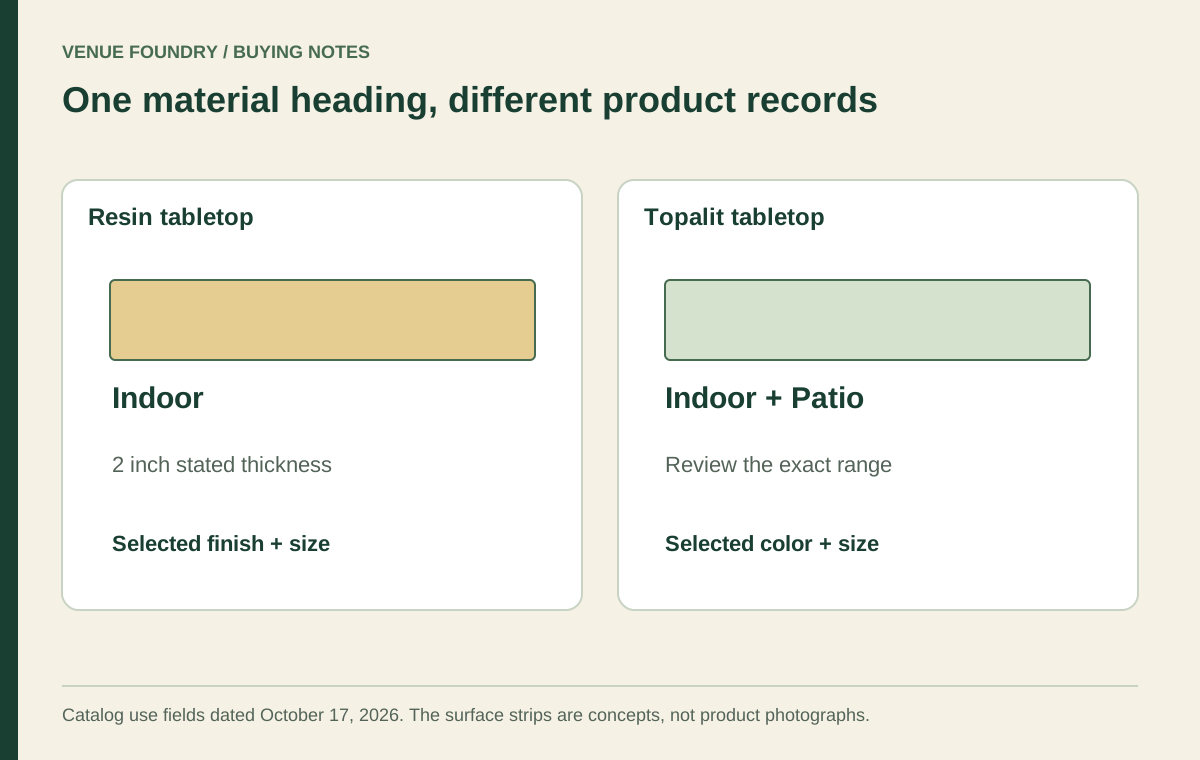
The October 17, 2026 record for top FRU-RESIN states Indoor use and a thickness of 2 inches. Its finish choices are Dark Mahogany and Walnut, with several round, square, and rectangular sizes. That indoor designation should remain attached to the product even if another resin-related top is offered for a patio.
The record for top FRU-TT-TOPL states Indoor and Patio use. It offers specific color and size selections, including a round option 24 inches in diameter and a square option measuring 24 by 24 inches. The different use record is a meaningful distinction between these candidates, not a detail to replace with a general resin category claim.
The outdoor furniture guide connects intended use with exposure, storage, and the particular site. Outdoor suitability does not mean every color, installation, and storage method is interchangeable. The selected manufacturer's instructions still define the relevant limits.
Compare thickness and edge as visible design decisions
A stated thickness of 2 inches creates a different visual edge from a top 1 1/8 inches thick. The catalog's FRU-US-INRE-BMAR record lists the latter thickness and Indoor use. Its black-marble appearance does not imply that it is a slab of natural marble.
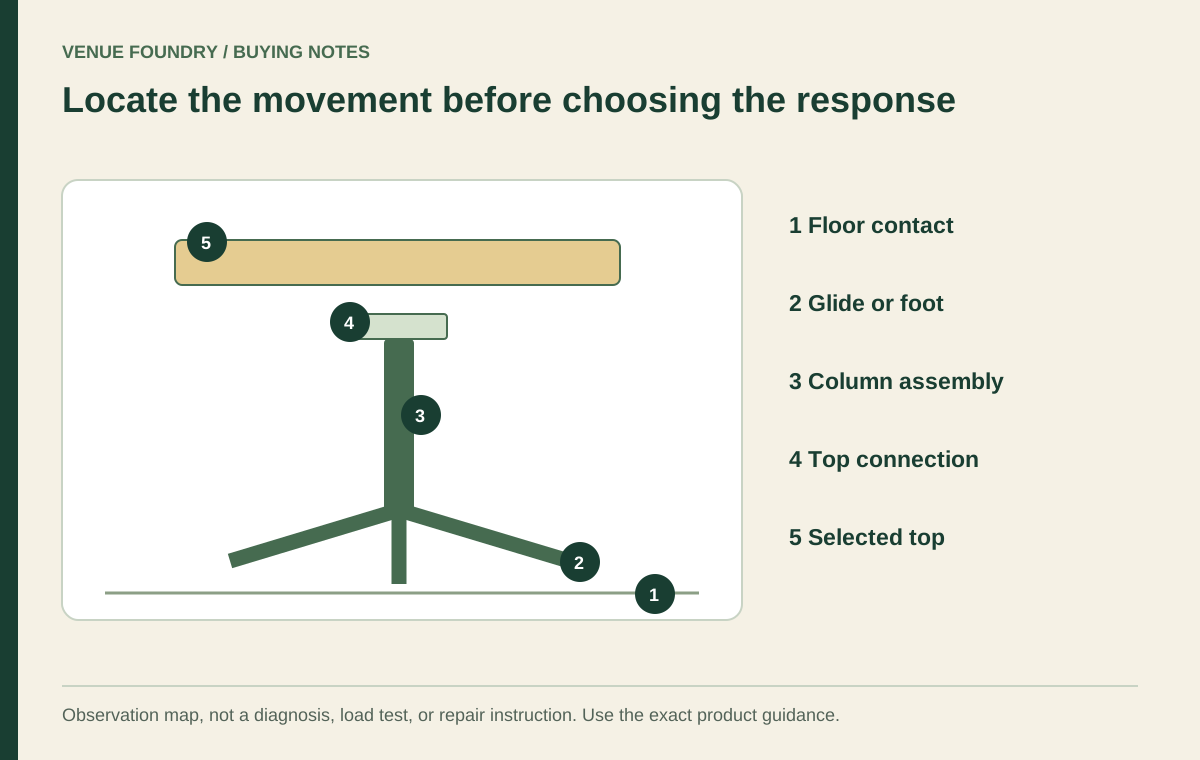
View the top from the seated position as well as from above. The edge profile can make the surface appear heavier or lighter, while the underside relationship matters to seating and support. A small decorative sample cannot reproduce the entire edge or show how the selected top meets a base.
The finish approval guide can help evaluate the decorative reference beside the floor and chairs. Decide whether the project wants a close relationship with another material or a deliberate contrast. A familiar finish name does not guarantee a physical match.
Manufacturer limits are more useful than unlimited claims
Topalit's published guidance for its named tabletop families says that their surfaces are not indefinitely scratch-resistant. It also describes a slight manufactured curvature and limited suitability for combining tops into a larger flush surface. Those are useful design constraints, not evidence that a product is defective.
For the buyer, that means a table intended for separate positions may need a different review from one intended to join tightly with neighbors. The large-party table article explains why adjacent edges and height relationships deserve attention. Do not assume that a smooth-looking product image proves perfect alignment between multiple tops.
Keep manufacturer claims tied to the named range and instructions. A heat, chemical, or scratch statement from one product should not be copied to another resin-labeled model. If a particular performance threshold matters to the operation, request the exact supporting information for the selected version.
Evaluate care as a routine, not a slogan
Low maintenance is meaningful only in relation to the venue's actual work. Identify the intended cleaner, method, frequency, and relevant product instructions. A top that fits the required routine may be useful, but a material label cannot establish that fit on its own.
The cleaning compatibility guide separates surface identity from the cleaning product's label requirements. Do not assume a resin top can be treated with any solvent or abrasive method. The finished top, edge, and surrounding components may have different considerations.
If a service or repair method is offered, identify its scope. A scratch does not automatically mean the surface can be sanded and refinished like a particular solid-wood product. The permitted response should come from the actual manufacturer or appropriate service professional.
Compare the complete selected price
The dated starting prices for FRU-RESIN and FRU-TT-TOPL are $72 and $102. They are reference figures for two different products, not a universal $30 premium for outdoor use. Selected size, finish, support, and other purchase details can change the actual comparison.
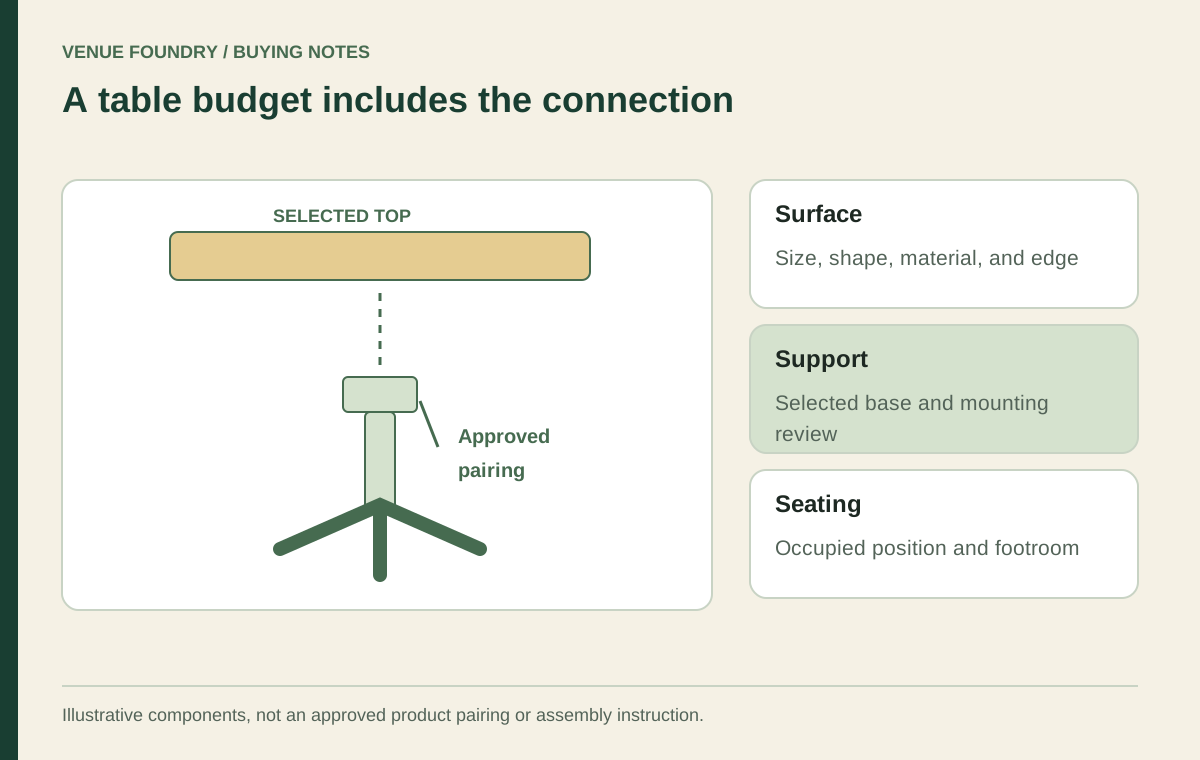
Choose the same required dimensions where the ranges permit it, then identify an approved base arrangement. The table-system guide explains why a top-only amount is incomplete when the project needs a working table. A lower surface price does not resolve a missing support specification.
Use the budget planner to compare the actual selections. Keep five questions visible: construction, intended use, edge and thickness, care limits, and approved support. That is a useful comparison of products with the same broad label without pretending they are otherwise identical.
Select a defined product for the actual setting
A resin-related top can be a suitable candidate when its documented construction, appearance, use, and care meet the brief. It should be selected for those specific properties, not for an unsupported promise that the whole category outlasts wood or eliminates maintenance.
Resolve missing model information through contact before ordering. Retain the selected product and its applicable instructions with the room plan. The result is a purchase that can be explained and maintained, even when several very different tabletops share the same material heading.