The project notebook
Commercial bar stool footrests: compare position, surface, and service information
The footrest is a small part of a bar stool with a direct role in how the seat is used. Its position affects whether a seated guest can reach it, and its surface sits where shoes may contact the furniture. Both questions deserve attention before the stool is multiplied across a bar.
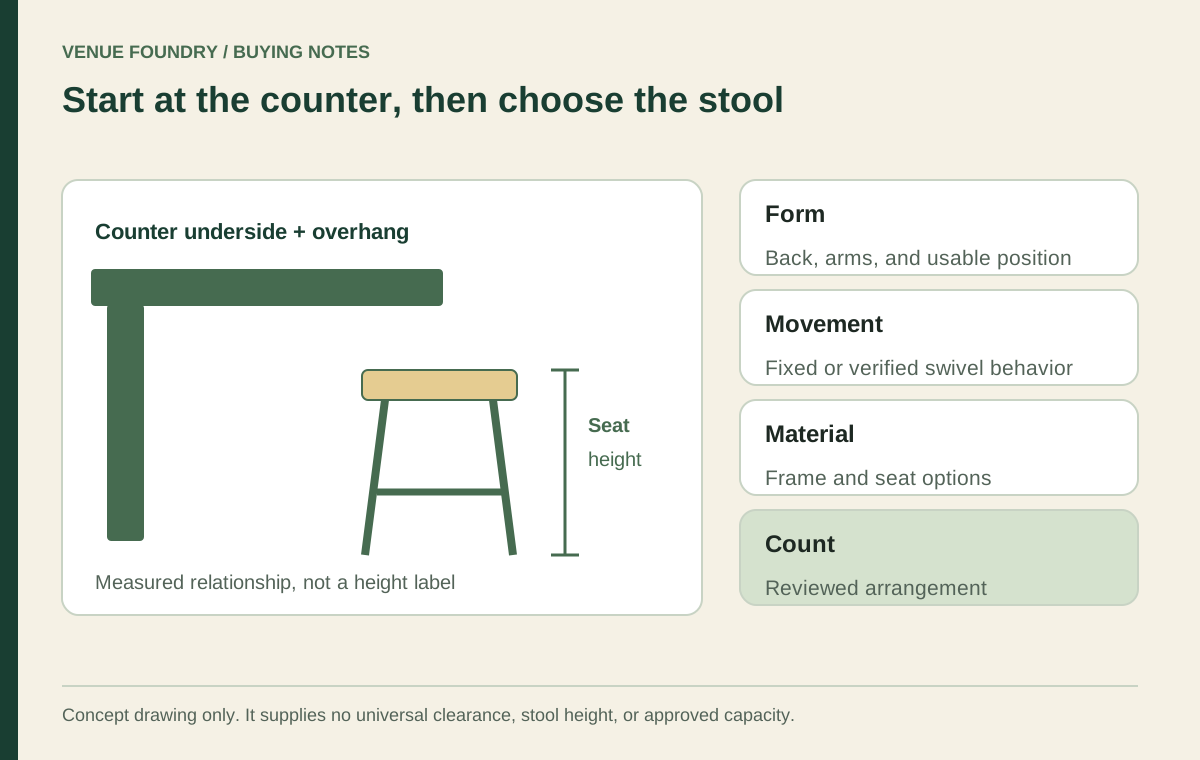
A photograph can reveal a rail, ring, or plate, but it cannot settle its dimensions or service requirements. Start with the bar stool catalog, then bring foot support into the same review as the counter, seat, and back. A stool should be assessed as an arrangement of contact points, not as an isolated seat height.
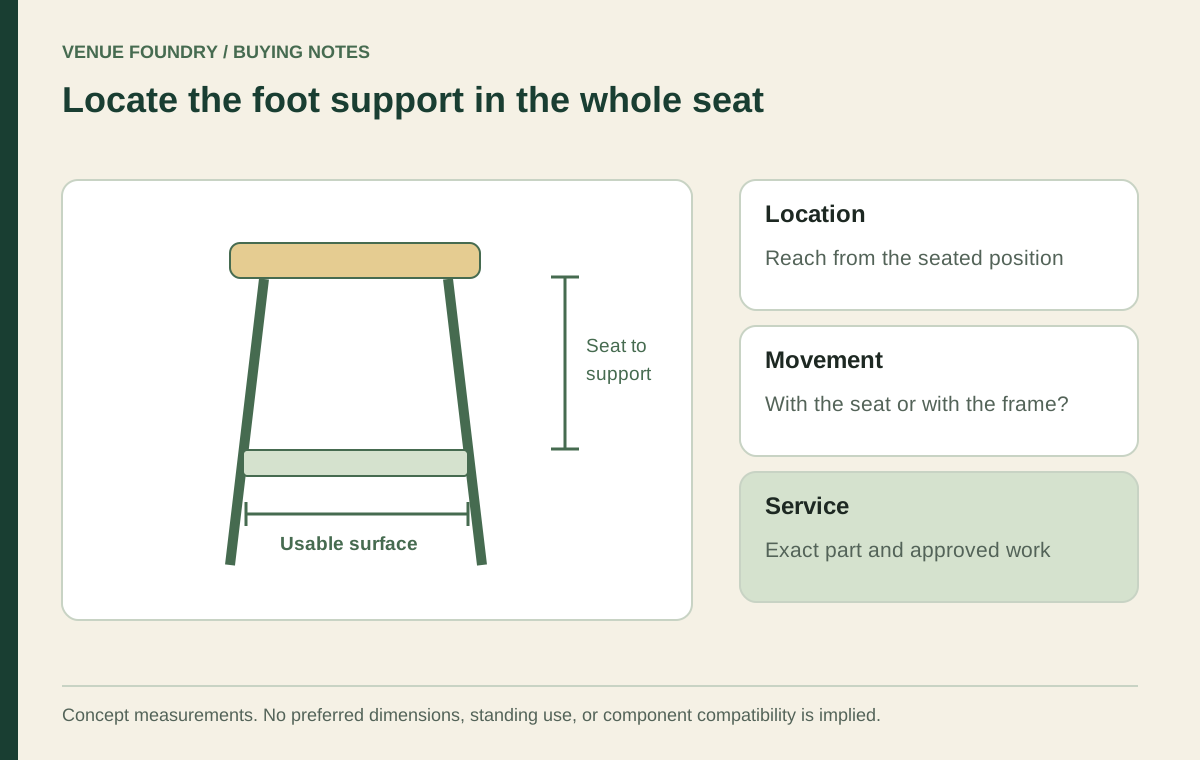
Open diagram at full size (new tab) ↗
Locate the support relative to the seat
Two stools can have the same stated seat height and place their foot supports differently. The useful relationship is between the occupied seat and the usable support surface. The outer dimensions of the stool do not provide that relationship unless the manufacturer separately identifies it.
Measure or obtain the relevant dimensions for the actual candidate. Include the forward reach as well as the vertical relationship. A guest may reach a support vertically but encounter a position that changes how far back they sit. The counter fit guide places those questions beside the counter underside and overhang.
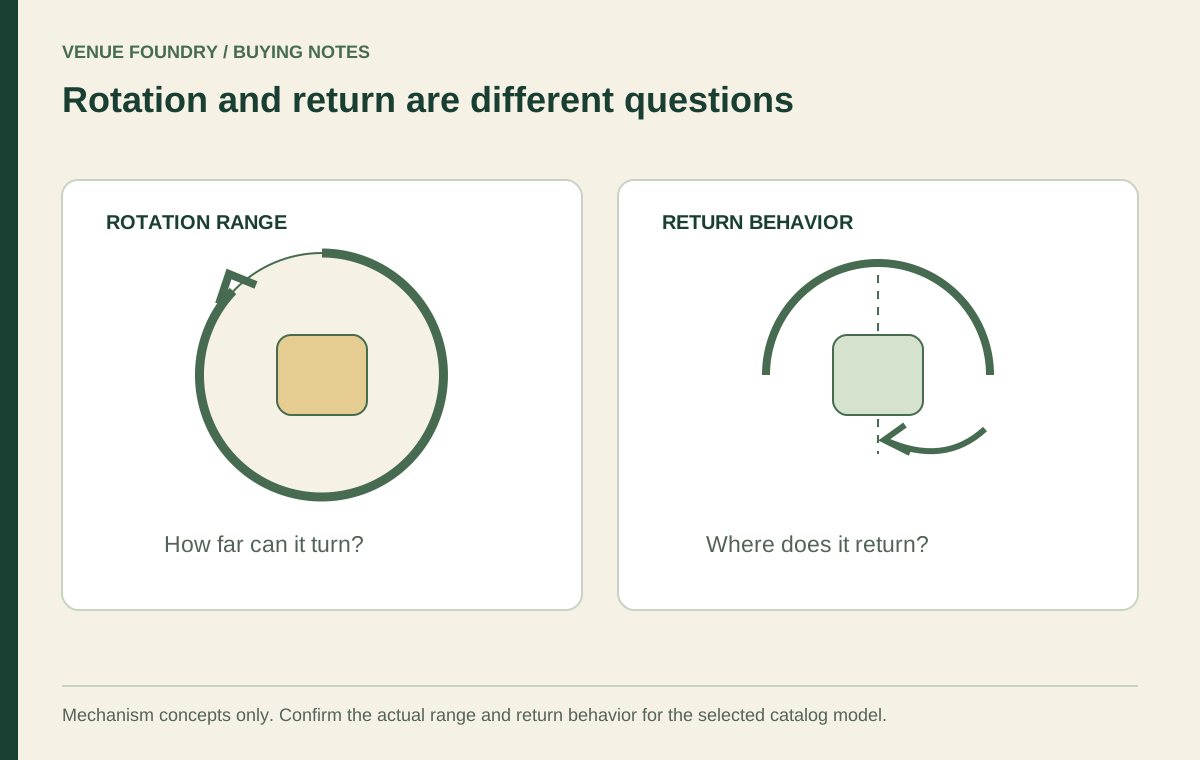
A ring can present contact surfaces on more than one side. A straight front rail gives a more directional reference. Neither shape proves universal comfort. If the seat rotates, find out whether the foot support rotates with it or stays with the frame. The swivel guide explains why movement properties require their own specification.
Distinguish a foot support from other cross members
Not every bar connecting stool legs should be treated as a footrest. Some members are part of the frame construction, and the intended contact area should come from the product information. Do not infer a standing step or climbing use from a rail visible below the seat.
The member's material and its surface finish are separate questions. A wood support may have a metal cover, while a metal support may carry a different finish from the rest of the frame. If a product has a selectable footrest appearance, keep that option with the selected stool rather than describing the whole product as one color.
For example, model FRU-2152-BS lists Gold, Black, and Silver footrest choices in the October 17, 2026 catalog record. It also identifies an indoor wood frame, a seat height of 30 inches, and overall dimensions of 19 inches wide by 22 inches deep by 44 3/4 inches high. The footrest labels do not disclose its precise location or replacement procedure.
What wear information is useful
A scuffed finish, a loose connection, and a deformed member are different observations. They should not be grouped under a vague note that a footrest looks worn. An appearance issue may call for a different response from a structural concern, and only an appropriate assessment can establish the permitted work.
Describe the location and nature of an observed problem without turning it into a diagnosis. Photographs of the whole stool and the affected area can help identify the part. Keep the product identifier and purchase configuration with those images. The furniture purchase record guide explains why those details matter after delivery as well as before it.
Care instructions should cover the actual finish. A method suitable for one coated surface may be unsuitable for another. Review the materials information as a way to organize questions, then obtain the selected manufacturer's instructions. Avoid using an unapproved abrasive treatment to make a contact surface look new.
Serviceability must be documented
A visible fastener does not prove that the component is a separately stocked service part. A cover that appears removable might still require an approved repair method. Before assigning a future repair allowance, establish whether a compatible replacement is available and who may fit it.
The replacement information should identify the stool version as well as the component. Finish, attachment, and geometry can vary across related models. A generic footrest part with a similar appearance is not a confirmed match. If the information is unavailable, the honest budget entry is an unresolved service question.
Use contact to request model-specific clarification, keeping the question narrow. Ask for the intended foot support surface, dimensions if omitted, care record, and approved service options. The answer is more useful than a general promise that the stool is commercial quality or easy to maintain.
Put the support into a sample review
When a sample review is available, use the intended counter and normal seating activity. Observe where the guest places their feet while sitting, turning where permitted, eating, and leaving. This is an evaluation for the project, not a performance certification or a way to establish a universal comfort rating.
Record the observations separately from the product specification. A practical review sheet can include:
- The exact stool, seat option, and counter used for the review.
- The stated or measured location of the intended support surface.
- Whether the support moves with the seat or remains with the frame.
- Comments about reach during the normal seated activities.
- Any unanswered care, part identification, or service questions.
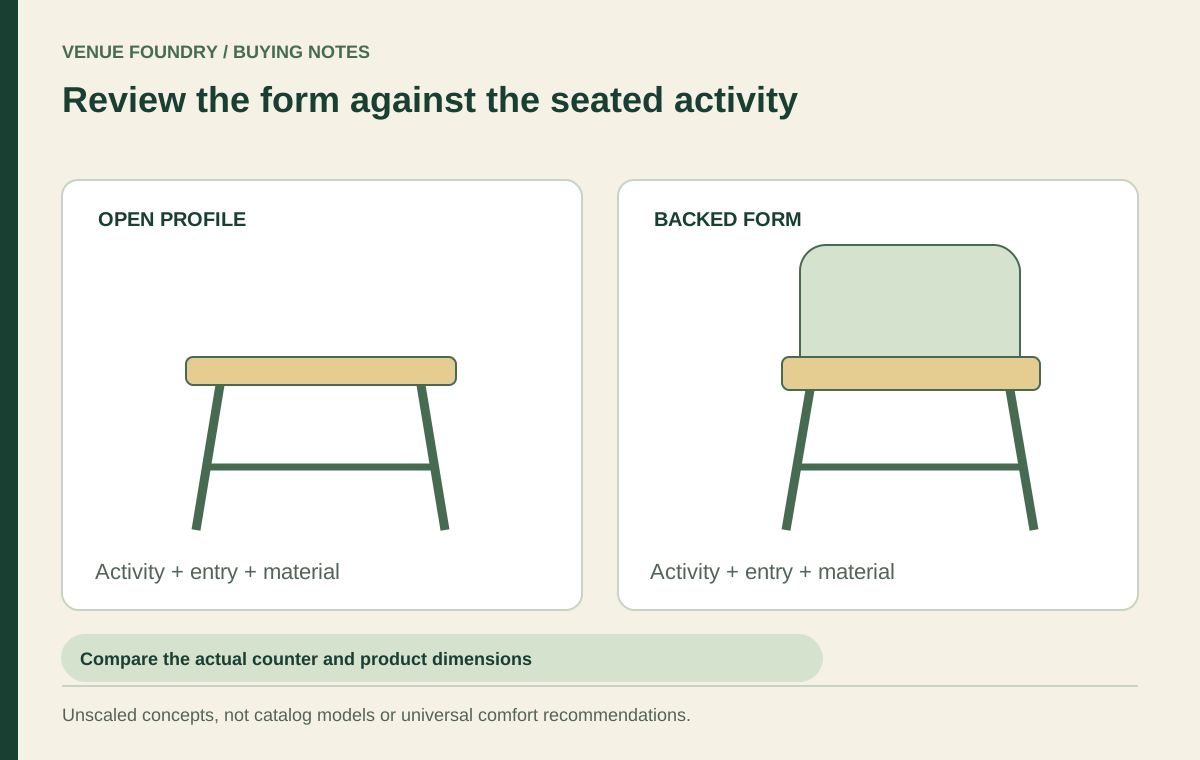
The backed and backless stool discussion is useful here because a change in back form may alter the seating position. Do not carry feedback from one configuration to another without considering what changed.
Price the supported choice
Enter the selected footrest option with the rest of the configuration in the budget planner. If the selection changes the price, compare the complete selected stool rather than isolating a finish premium from its context. Keep any future service allowance separate from the purchase subtotal and explain its evidence.
The ordering process should begin with a configuration that identifies all relevant surfaces. That includes the footrest when it is selectable. A short, accurate option label is more useful to the order than an informal note about matching the bar's metalwork.
Keep the lower contact point in view
Foot support belongs in the stool decision because it connects the seated activity to a part of the furniture that is easy to overlook. Position, movement, surface, and service information answer different questions. Treating all four as one vague durability claim leaves the buyer with little to evaluate.
Select the stool whose documented arrangement works for the counter and the project review. Retain the component information with the saved selection so future upkeep starts from the correct model. That small piece of purchase discipline gives the footrest a clear place in both the design and the budget.