The project notebook
Poly restaurant patio furniture: read recycled-content and repair claims separately
Poly patio furniture can be appealing for its wood-like forms, color choices, and material story. The buying decision becomes clearer when those attributes are separated. The type of plastic, the amount of recycled material, the availability of replacement components, and the possibility of recycling the finished product are different claims.
Ask what each claim actually covers. A statement about the lumber does not necessarily describe hardware or cushions. A recycled-content claim describes material inputs, while a repair statement describes a service route. Neither automatically establishes the other or proves that the whole product is the best environmental choice.
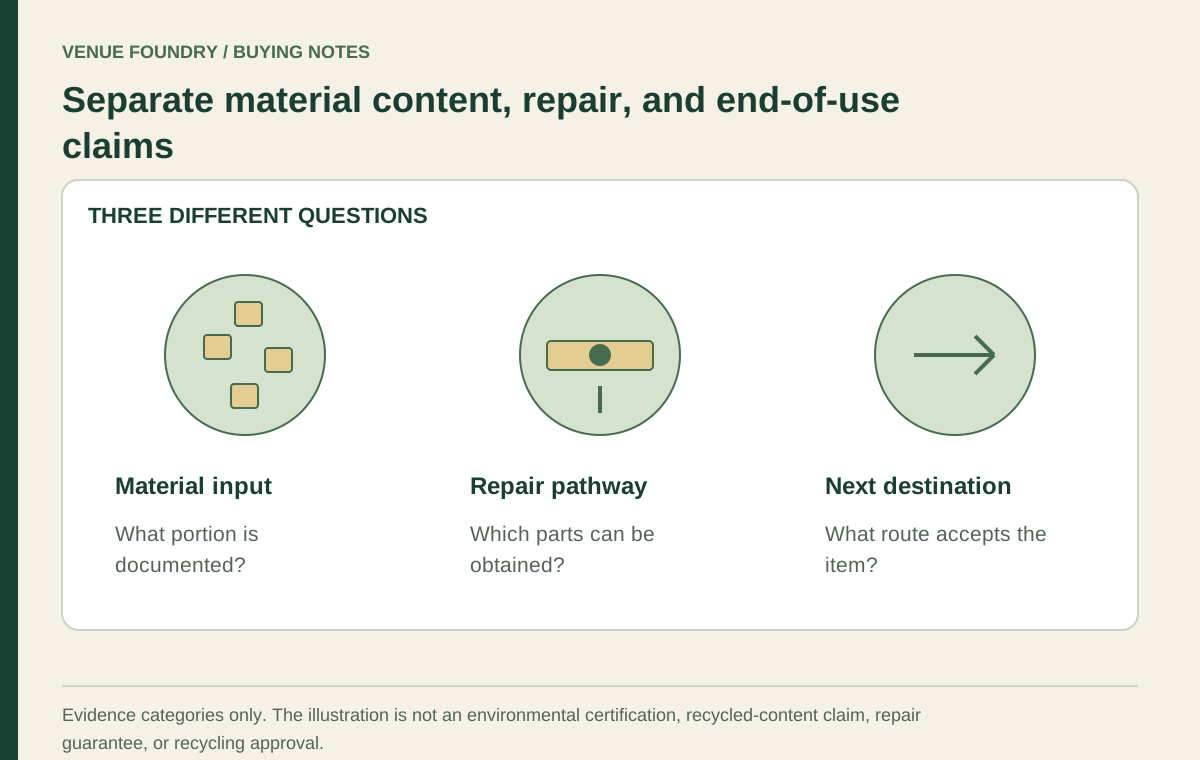
Open diagram at full size (new tab) ↗
Identify the material before interpreting the story
The word poly is a broad shopping term, not a complete formulation. It may be used around products with different polymers, manufacturing methods, and component arrangements. Read the exact material description rather than assuming that every wood-look outdoor piece uses the same substance.
POLYWOOD's own materials information describes its lumber as high-density polyethylene, or HDPE, and describes recycled and reusable material inputs. That is information about the named manufacturer's material. It should not be transferred to another product merely because the product also has a plastic wood-look surface.
The poly outdoor furniture category is therefore a starting point for comparison, not a certification. The individual product record and supporting documentation should identify the relevant material and claim scope.
Keep synthetic appearance separate from polymer identity
In the October 17, 2026 FRU-402-ECO record, the seat material was described as Plastic Teak and the frame as Aluminum. That establishes a synthetic wood-look seat within a mixed assembly. It does not identify HDPE content or a recycled percentage.
Likewise, the FRU-AFTT-ALP-BL-DKW listing described a Synthetic Teak tabletop with an included aluminum base. The word teak in that material description should not become a claim of natural wood, a particular polymer, or a documented recycled input.
Use the material comparison article to keep those distinctions visible. Two products may create a similar warm visual effect while having different material evidence, care instructions, and service options. Appearance is a valid design consideration, but it is not proof of composition.
Read recycled content as a scoped input claim
The Federal Trade Commission's Green Guides distinguish recycled-content claims from broad environmental-benefit claims. Its summary says recycled content concerns material recovered or diverted from the waste stream and calls for qualification where a product is only partly made from recycled material. That distinction is useful when comparing product descriptions.
For the buyer, the practical questions are what percentage is claimed, what part of the product it covers, and what evidence supports it. A percentage for plastic lumber should not quietly become the same percentage for the entire assembled chair if the basis has not been established.
An invented arithmetic example shows why the denominator matters. If a hypothetical 50-pound product contains a component weighing 30 pounds, and that component is documented as 80 percent recycled material by weight, the calculation describes 24 pounds within that component. It does not establish the recycled content of every other part or authorize a broader whole-product claim.
Distinguish recycled content from future recyclability
Recycled material going into a product and the ability to recycle the finished product later are separate questions. The future route may depend on the material, construction, disassembly, and facilities available to receive it. A recycling symbol or polymer abbreviation does not explain the complete local process.
The FTC's guidance treats access to appropriate recycling facilities as relevant to recyclable claims. For a restaurant purchase, identify the actual accepted route rather than assuming the municipal program that accepts a small plastic container will accept a large furniture assembly.
Do not turn an unverified disposal possibility into a purchasing benefit. If a supplier has a take-back or recycling arrangement, read its actual scope and conditions. The claim should identify what the program accepts and how the restaurant would use it, rather than implying a service that has not been established.
Review repairability through real components
A product can contain recycled material while having few separately available parts. Another product may have documented replaceable components without making a recycled-content claim. Compare those attributes independently.
Ask whether the specific furniture has serviceable boards, glides, hardware, or other components, and whether approved replacements are available. The appearance of screws does not prove that any board can be replaced with generic lumber. Dimensions, material, attachment, and the manufacturer's accepted repair method all matter.
The chair replacement-seat discussion illustrates the difference between a component that appears separate and one that is offered as a compatible replacement. Apply that distinction to the actual patio product rather than treating a visibly assembled form as a guarantee of easy repair.
Keep weather and care claims out of the material shortcut
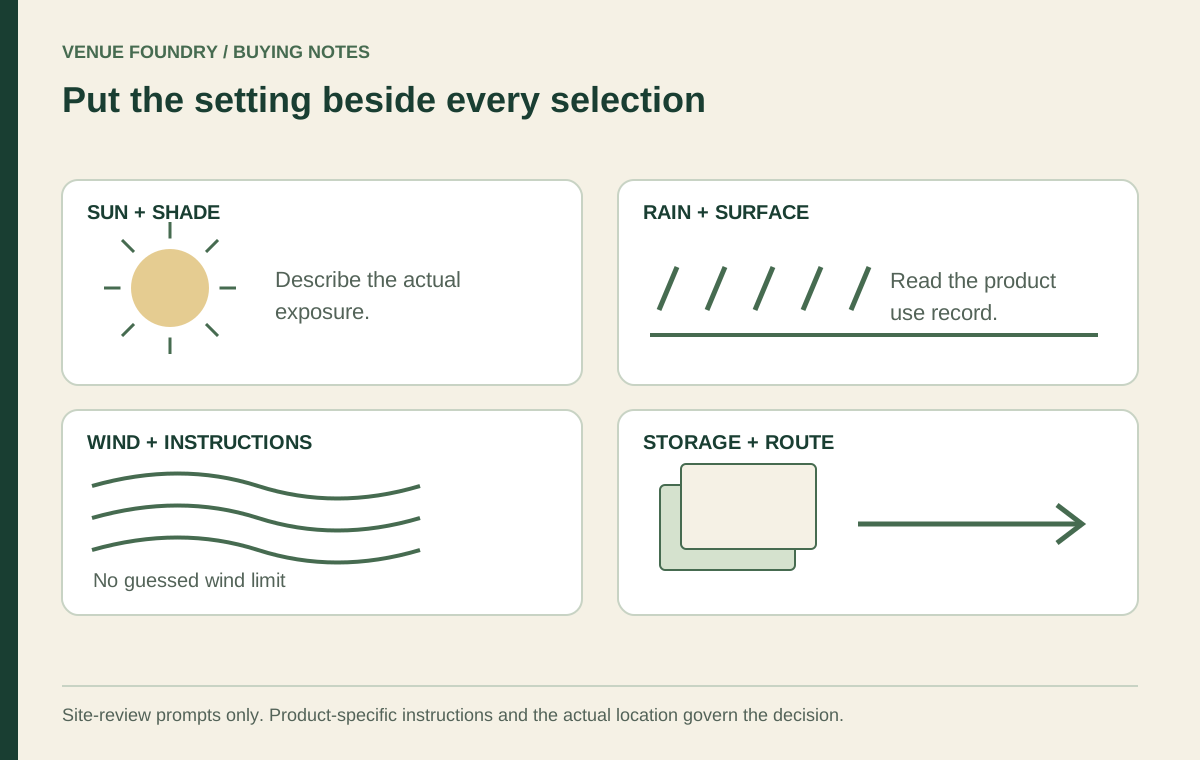
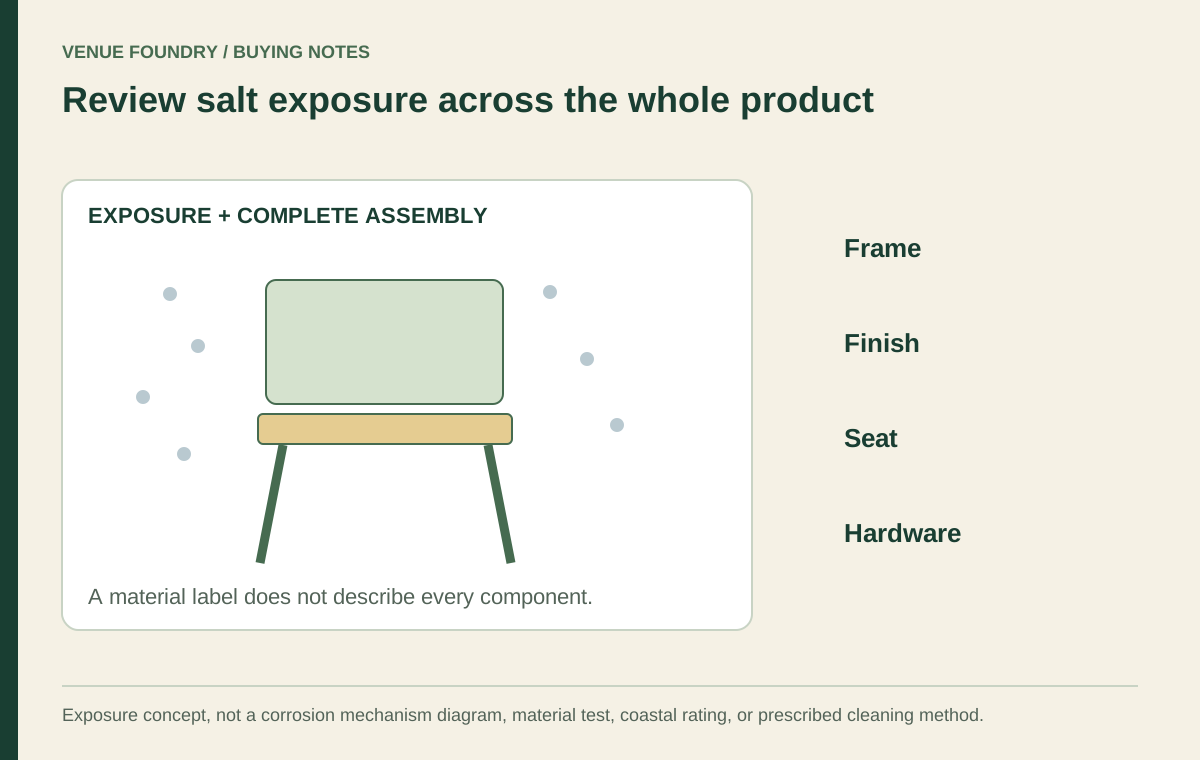
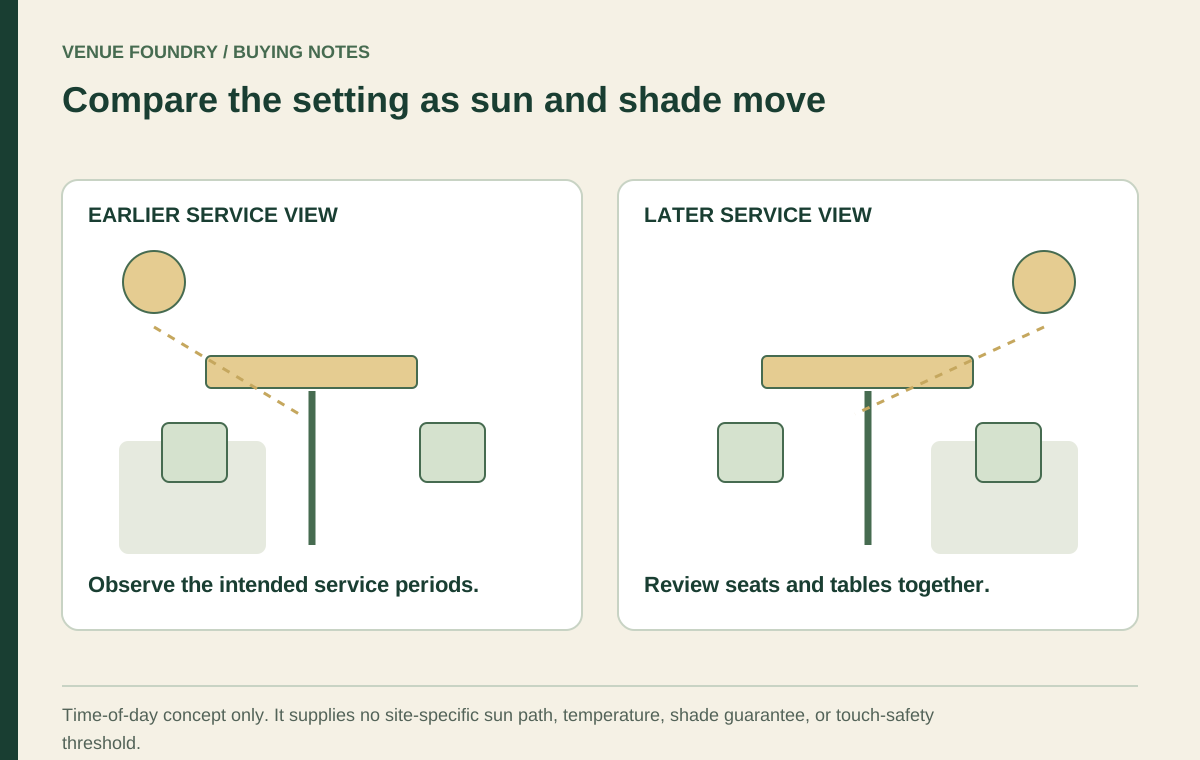
Recycled content does not establish a sun, salt, or wind rating. A polymer name does not supply a universal service life. The product's intended use and care information still need review for the restaurant's exposure.
The direct-sun guide and coastal buying discussion address those separate conditions. The furniture's material story should not distract from whether the complete assembly suits the actual patio and operating routine.
Read the materials guide, and keep the actual selected references and care instructions together in the furniture records. If the project compares wood-look polymer seating with metal seating or a mixed-material product, use the same exposure and service brief for all candidates. Otherwise, the environmental and practical comparisons become difficult to interpret.
Compare the evidence beside the selected price
In the budget planner, retain the exact product and configuration rather than a generic line labeled recycled chair. The decision should show what is being purchased and which claims are supported for that model.
A concise evidence review can separate five subjects:
- Exact material identity and the components it describes.
- Recycled-content amount, basis, and supporting documentation.
- Available approved repair parts and methods.
- A real route for recycling or take-back, if claimed.
- The product's exposure and care requirements.
Prefer a specific benefit that the evidence can support
A clear, limited claim is more useful than an expansive green description. The restaurant can value recycled inputs, repair options, or a documented recovery route without pretending those attributes are interchangeable. The final comparison should show which benefit belongs to which product and what remains unknown.
Use contact for the missing material or component evidence and review selected items through how to order. Keep the accepted claim scope with the project. That creates a more credible purchase decision than treating the word poly as a complete answer about sustainability, performance, or future service.